
Lieferung heute & morgen

Qualitätsgarantie

Willkommens-Angebote freischalten: KOSTENLOSE Lieferung | Bis zu 80 % RABATT | Kostenlose 30-Tage-JoyPlus-Testphase
App herunterladen
A Chinese chef's knife, often called a Chinese cleaver, is an impressively versatile tool in the kitchen. Its wide, rectangular blade is not only perfect for slicing and chopping vegetables, herbs, and meat, but also for crushing garlic or transferring chopped ingredients from the board to the pot. However, the market can be confusing, and many buyers fall into common traps that lead to frustration and a useless knife.
Before you make a decision, you should be aware of the most common pitfalls, which are often hidden behind good marketing:
To make an informed choice, focus on the objective features that determine a knife's performance and longevity.
This is the most important distinction. Your decision depends entirely on your intended use.
The steel is the heart of the knife. Look for the following specifications:
The way the blade is secured in the handle determines its balance and durability.
Here are some recommendations tailored to specific user profiles and the criteria mentioned above.
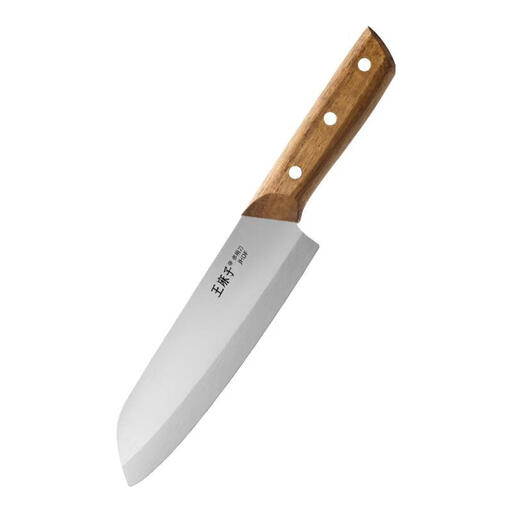
Why This Fits Their Persona: Ideal for home cooks looking for a versatile and affordable Asian-style knife for daily use. It combines the shape of a Santoku with the utility of a Chinese knife for general cutting tasks in the home kitchen.
It is clearly positioned as an all-purpose kitchen knife, not a heavy-duty cleaver. The "400 series stainless steel" material detail is a transparent specification that avoids vague marketing claims.
Excellent value for money; low-maintenance and rust-resistant stainless steel; classic wooden handle for a comfortable feel.
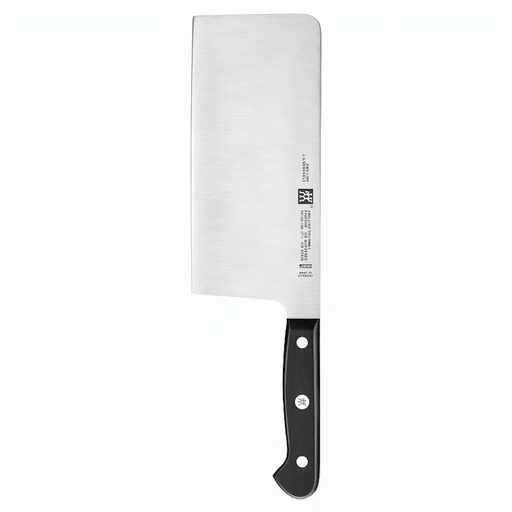
Why This Fits Their Persona: For cooks who value proven quality, durability, and the precision of German engineering. This knife is a reliable all-rounder for the ambitious home kitchen.
Zwilling specifies the material treatment (ice-hardened FRIODUR blade) and place of manufacture (Solingen). The riveted, ergonomic handle ensures excellent balance and avoids the weaknesses of cheaper models.
Exceptional corrosion resistance and long-lasting sharpness; lightweight design for fatigue-free work; "Made in Germany" seal of quality.

Why This Fits Their Persona: Designed for professionals and ambitious home cooks who need a robust tool for heavy-duty work. This knife is explicitly designed to break down meat, fish, and even bones.
This knife is unmistakably a heavy chopper. Weighing 450g with a thick blade, it deliberately sidesteps the "one-knife-fits-all" myth. The single-piece forged construction (SIGMAFORGE) guarantees maximum stability.
Designed for chopping bones; precision-forged from a single piece for superior durability and balance; professional quality for the most demanding tasks.
We have compiled a complete, up-to-date list of products that fully meet these strict selection criteria and safety standards.
1. How do you properly sharpen a Chinese chef's knife? Most Chinese chef's knives, similar to German knives, are sharpened at an angle of about 15-20 degrees per side. A whetstone (water stone) is the best tool for sharpening. Guide the blade across the stone at a constant angle, from the base to the tip. The wide blade makes it relatively easy to maintain a stable angle. A honing steel is more suitable for realigning the edge rather than actual sharpening.
2. Is a Chinese chef's knife dishwasher-safe? Although some manufacturers (especially for knives with plastic handles) claim their knives are dishwasher-safe, hand washing is strongly recommended. Harsh detergents, high temperatures, and contact with other dishes can dull the blade and damage the handle, especially if it is made of wood. Clean the knife with warm water and mild soap after use and dry it thoroughly immediately.
3. What is the difference between a Chinese chef's knife and a Japanese Santoku? Although both are considered versatile Asian-style chef's knives, there are clear differences. The Chinese chef's knife has a tall, wide, and rectangular blade. It is generally heavier and is used for a variety of tasks like slicing, chopping, crushing, and scooping. The Santoku is shorter, lighter, and has a characteristic downward-curved tip ("sheep's foot" blade). Its name means "three virtues" (slicing, dicing, mincing), and it is primarily optimized for precise cuts on fish, meat, and vegetables.