
Lieferung heute & morgen

Qualitätsgarantie

Willkommens-Angebote freischalten: KOSTENLOSE Lieferung | Bis zu 80 % RABATT | Kostenlose 30-Tage-JoyPlus-Testphase
App herunterladen
A Chinese chef’s knife can handle a variety of tasks, from slicing and dicing to chopping. Its wide blade is also often useful for transferring prepared ingredients from the chopping board to the pan. However, Chinese cleavers, kitchen cleavers and cleaver knives can differ considerably in blade thickness, weight and intended use.
Choosing a knife based only on an eye-catching Damascus pattern, an extra-long blade or the label ‘professional kitchen knife’ doesn’t guarantee you’ll get the right tool. Look for clear information about its material, dimensions, handle and intended use.
A large, heavy knife may look sturdy, but that doesn’t automatically make it suitable for bones, frozen food or hard-skinned produce. A fine Chinese chef’s knife can be damaged by forceful chopping. For beef or poultry bones, a bone knife or bone cleaver specifically designed for the job is a better choice.
Sharpness out of the box is only one consideration. If you’re using the knife in the UK, blade steel, edge geometry, care and ease of sharpening matter too. A stainless steel kitchen knife is generally less susceptible to moisture than unprotected carbon steel. Carbon steel may need different care and should be dried immediately after washing.
A blade measuring 280 or 313 millimetres can be useful for larger ingredients, but may feel unwieldy on a small chopping board. A wooden handle can also feel quite different from a plastic one. So check the overall length, blade length, weight and handle construction, not just the product photos.
For many households, a blade measuring around 17 to 21 centimetres is a versatile choice. A 190- to 210-millimetre cleaver can handle vegetables, herbs, fish and boneless meat. Longer models, such as a 280- or 313-millimetre kitchen cleaver, are better suited to people who work with large ingredients or tackle heavier chopping tasks.
A Chinese cleaver often has a rectangular blade. This shape is handy for pushing and lifting cut ingredients. However, it won’t necessarily replace a meat knife, filleting knife or vegetable knife for particularly precise specialist tasks.
When checking the material, distinguish between stainless steel, carbon steel and Damascus steel. Stainless steel is generally more corrosion-resistant, making it a good option if you’re looking for an easy-care knife. Carbon steel can offer excellent cutting performance, but is more sensitive to moisture and acidic foods. The term ‘Damascus kitchen knife’ describes the construction or appearance of the blade; on its own, it doesn’t prove a particular level of cutting performance.
A secure handle should feel controlled in your hand, even during longer chopping sessions. Joints with few seams or firmly riveted handles can make cleaning easier. Also check whether the manufacturer recommends hand-washing. Even if a knife is labelled dishwasher-safe, contact with other items and sudden changes in temperature can damage the blade. Always cut on a suitable board and don’t use the knife for levering.
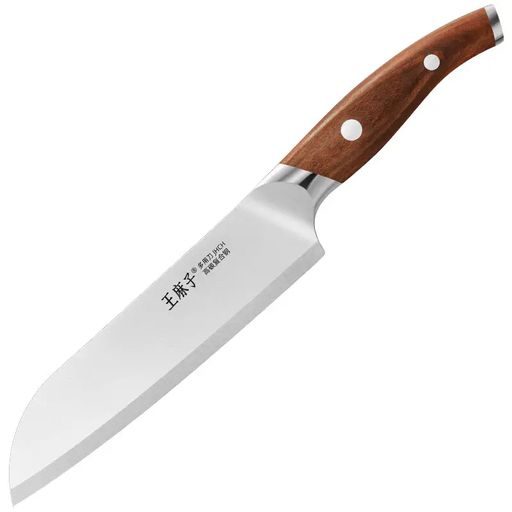
Why this product suits this profile: This 50Cr steel model weighs 170 g, making it an appealing option if you’re looking for a relatively lightweight all-purpose knife for vegetables, fish and boneless meat.
The stated knife type and weight give you a clearer idea of its intended use than a general claim about sharpness. It isn’t designed for bones or frozen food.
Designed for a range of tasks, including preparing sushi, sashimi and vegetables; made from 50Cr steel and weighs 170 g.

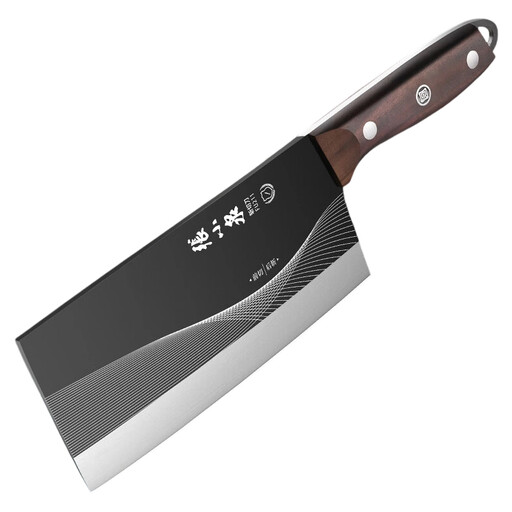
Why this product suits this profile: The 18.5 cm-long, 8 cm-deep blade combines a broad Chinese-style shape with a specialist stainless steel. The plastic handle is seamlessly riveted.
The specifications list the blade dimensions, steel type, handle material and weight of 268 g. This makes it easier to assess whether it suits your everyday needs.
Wide blade for cutting and lifting ingredients; specialist stainless steel and seamlessly riveted plastic handle.
Why this product suits this profile: This 313 mm model is for anyone specifically looking for a thicker bone-cutting knife for suitable kitchen tasks and with enough worktop space to use it.
Its stated purpose as a bone-cutting knife helps prevent a fine Santoku or vegetable knife from being used on unsuitable hard materials.
Stated length of 313 mm; stainless steel bone cleaver designed for a clearly defined specialist task.
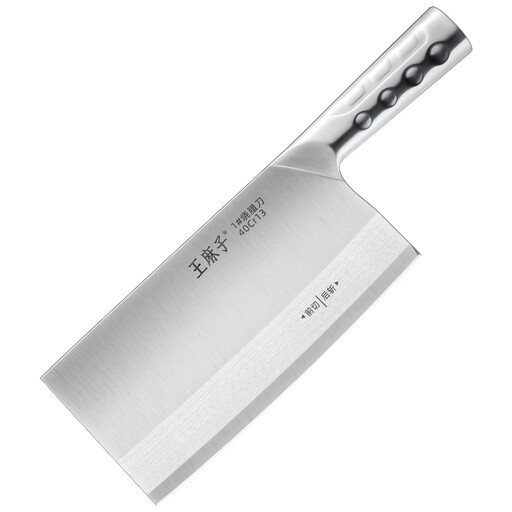
Why this product suits this profile: This 210 mm Chinese chef’s knife is a good option for keen home cooks who want to chop vegetables and herbs, as well as boneless meat, with a wide cleaver.
The blade length is clearly stated. Despite its wide shape, use the knife only as directed by the manufacturer, not as an all-purpose bone cleaver.
210 mm blade for slicing and chopping; wooden handle and carbon steel according to the product description.
We’ve put together a complete, regularly updated list of products that meet these strict selection criteria and fully comply with the safety regulations in force in the EU.
Not every model is. Fine cleavers and Santoku knives are generally designed for vegetables, herbs, fish and boneless meat. For bones, you’ll need a bone knife or bone cleaver specifically designed for the job.
A Chinese chef’s knife usually has a wider, rectangular blade and is well suited to slicing, chopping and lifting ingredients. A Santoku knife is often more compact and designed for precise cutting of vegetables, fish and meat. Your preferred cutting technique, the weight and the space available are all important.
How long the edge lasts depends on the steel, how you use the knife, the chopping board, your cutting technique and how well you care for it. Don’t use the knife on glass or stone. When its cutting performance starts to drop, sharpen it with a suitable honing steel or sharpening stone. If you notice chips in the blade or a loose handle, stop using the knife.