
Lieferung heute & morgen

Qualitätsgarantie

Willkommens-Angebote freischalten: KOSTENLOSE Lieferung | Bis zu 80 % RABATT | Kostenlose 30-Tage-JoyPlus-Testphase
App herunterladen
A Chinese chef’s knife has a broad, rectangular blade that looks like a cleaver, but it can handle several tasks in the kitchen. You can use it to dice vegetables, chop herbs and transfer ingredients straight to the pan using the flat of the blade. Depending on its design, a Chinese kitchen knife can also be used to slice meat and fish.
The wide range of options can make choosing one difficult. Some models are advertised as exceptionally sharp, but come with little information about the steel, blade thickness or care requirements. Others look robust, but aren’t designed for bones or hard foods. Before buying, focus on specific product details rather than marketing claims.
A Chinese cleaver can look substantial, but it’s often designed for precise slicing, dicing and chopping vegetables. A thin edge can be damaged by frozen foods, bones or hard skins. So check the stated intended use before buying.
A meat and vegetable cleaver isn’t automatically a bone cleaver. For poultry bones or larger bones, you’ll need a model specifically designed for the job, with a suitable blade thickness and construction.
A stainless steel kitchen knife has the practical advantage of being corrosion-resistant. However, that doesn’t prevent every stain or type of damage. Acidic foods, moisture and harsh cleaning products can all affect the surface and edge.
After use, clean the blade with mild washing-up liquid and dry it straight away. Check the product information to see whether the knife is dishwasher-safe. Hand-washing is recommended for many high-quality knives, as heat, water jets and contact with other items can damage the edge.
A sharp kitchen knife needs a secure handle, good balance and an edge suited to the task. Details such as blade length, blade height, steel type and weight can help you decide if it’s right for you.
A knife that’s too heavy may become tiring during longer food preparation tasks. A very light blade, on the other hand, may feel less stable when you’re making firmer cuts. The handle joint matters too: a seamless or neatly riveted construction makes it harder for food residue to build up.
Product information for many Chinese chef’s knives lists blade lengths of around 18 to 21 centimetres. A blade height of about 8 centimetres gives you plenty of surface area for scooping up cut ingredients. Bear in mind that a broad knife needs more space on your chopping board and in storage.
A wide chef’s knife is particularly useful for preparing large amounts of vegetables, cabbage and herbs, or cutting boneless meat into portions. For smaller jobs, a traditional paring or vegetable knife is more practical.
Stainless steel is easy to care for and corrosion-resistant. Carbon steel can offer high hardness and good sharpenability, but needs to be dried carefully. When choosing a knife, look for specific details about the blade material rather than relying on descriptions such as “premium steel”.
The handle deserves attention too. Plastic handles can be hygienic and easy to care for, while wooden handles offer a different feel but shouldn’t be left damp for long. An ergonomic shape and a secure, dry surface help you maintain control while cutting.
Read the safety information before you buy. A Santoku or Chinese chef’s knife is usually intended for vegetables, meat and fish, but not frozen foods, bones or hard objects. For heavy-duty chopping, look for a Chinese cleaver specifically designed for the task.
Use the blade only on a suitable wooden or plastic chopping board. Stone, glass and ceramic can damage the edge more quickly.

Why it suits this profile: The 18.5 cm-long, 8 cm-high blade is well suited to many everyday food preparation tasks and can be used to scoop up cut ingredients.
The special stainless steel blade material and seamlessly riveted plastic handle construction are clearly specified.
A broad blade, ergonomically shaped handle and versatile design for vegetables, meat and herbs.
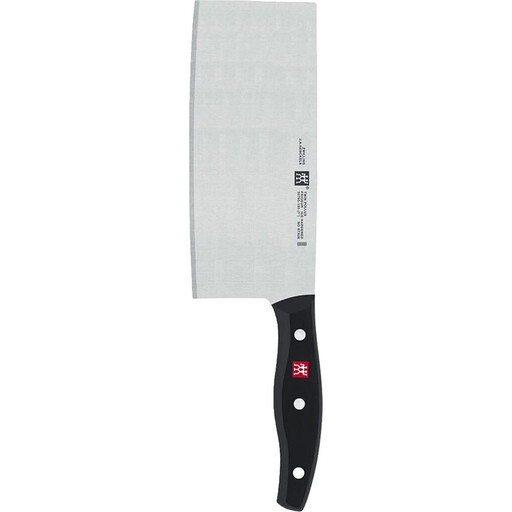
Why it suits this profile: This model combines a broad 18.5 cm blade with FRIODUR ice-hardening and a three-rivet POM handle.
The product information specifies a hardness of HRC 55–58 and clearly states its limitations: it isn’t suitable for bones, frozen foods or hard objects.
Suitable for slicing, dicing and chopping soft ingredients; the flat of the blade can also be used as a scoop.
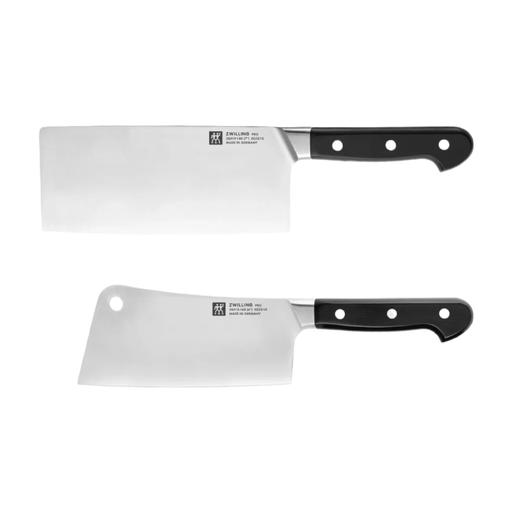
Why it suits this profile: The set is designed for two different tasks: the Chinese chef’s knife handles vegetables, fish and meat, while the cleaver is intended for meat and bones.
The product information clearly distinguishes between the two knives’ intended uses. This helps prevent the chef’s knife from being used for heavy-duty chopping.
Two blades designed for different tasks, FRIODUR ice-hardened stainless steel and ergonomic three-rivet handles.

Why it suits this profile: The 190 mm blade and the secure grip described in the product information make this a good fit for regular slicing and chopping when preparing Asian dishes.
The specified blade length helps you make an informed choice, rather than choosing a knife based only on its striking cleaver design.
A 190 mm blade, stated suitability for meat and firm vegetables, and a handle described as offering a secure grip.
We’ve put together a complete, regularly updated list of products that meet these strict selection criteria and fully comply with the safety regulations in force in the EU.
A Chinese chef’s knife usually has a more rectangular, higher blade. This means you can use it not only for cutting, but also for scooping up and transferring ingredients. A Santoku knife is often a little more compact and designed for slicing, dicing and chopping vegetables, meat and fish. The specific blade shape and the manufacturer’s stated intended use are what matter.
Not every model can. A traditional Chinese kitchen knife often isn’t suitable for bones or frozen foods. Only use a knife for this task if the manufacturer specifically describes it as a bone cleaver or chopping knife. Otherwise, you could damage the edge and blade.
How long the edge lasts depends on the steel, hardness, how you use the knife, the chopping board and how well you care for it. There’s no reliable one-size-fits-all answer. Regular, professional sharpening and hand-washing can help maintain its cutting performance over time.