
Lieferung heute & morgen

Qualitätsgarantie

Willkommens-Angebote freischalten: KOSTENLOSE Lieferung | Bis zu 80 % RABATT | Kostenlose 30-Tage-JoyPlus-Testphase
App herunterladen
Finding an authentic Chinese chili sauce can be a daunting task. The variety of textures, heat levels, and regional flavour profiles is immense, and they differ significantly from the sauces commonly found in Western supermarkets. Whether you want to buy chili oil to elevate your noodles or need a complex Chinese chili paste for an authentic Sichuan dish, the right choice is crucial for a successful result.
This guide is designed to help you understand the different types of Chinese chili sauces and make an informed decision. We will introduce a selection of products that stand out for their unique characteristics and applications.
To find the perfect sauce for your kitchen, you should consider three key aspects. These will help you objectively evaluate the product features.
The consistency of a chili sauce largely determines its use. There are three broad categories:
China has numerous regional cuisines with their own heat profiles. Two of the most famous are:
A look at the ingredient list provides objective information. Pay attention to the chili percentage, the type of oil used (e.g., rapeseed oil, soy oil), and the presence of flavour enhancers like monosodium glutamate (MSG), if that is a concern for you. Additional ingredients like fermented soybeans (Dou Chi), garlic, or sesame seeds give clues about the expected flavour profile.
Based on the criteria above, we have compiled a selection of different types of spicy Asian sauce that cater to various tastes and cooking needs.
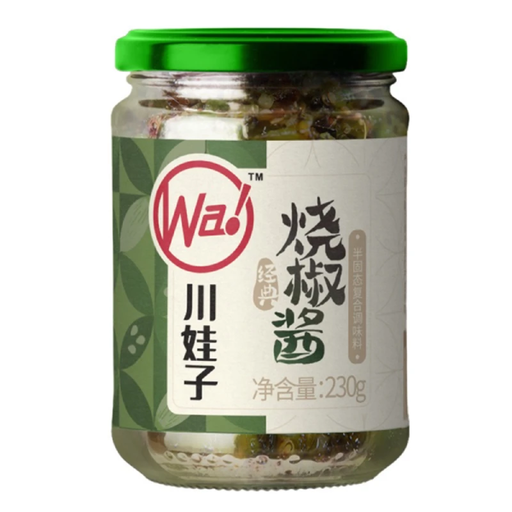
Why It Stands Out: This sauce embodies the classic Sichuan flavour. With a chili content of over 40% and the addition of Sichuan pepper oil, it delivers an intense and complex heat. Its semi-solid consistency makes it a versatile condiment.
Key Specifications:
Who It's For: Users looking for a versatile and authentic Sichuan chili sauce for noodle dishes, rice, stir-fries, or as a base for dips. Ideal for fans of the "Málà" flavour.
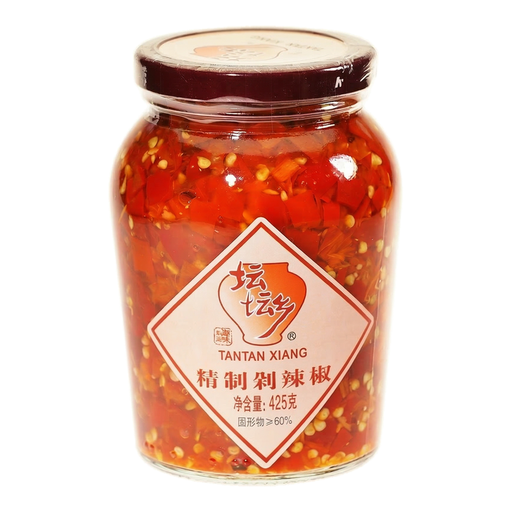
Why It Stands Out: This product is a classic example from Hunan cuisine. It consists of freshly chopped chilies and is characterised by a clean, salty heat and a vibrant red colour. The high salt content (12g per 100g) is typical for this type of condiment, which is often used in place of salt.
Key Specifications:
Who It's For: Chefs looking to prepare specific Hunan dishes, such as steamed fish head with chopped chilies. It is also suitable for seasoning stir-fries where a fresh heat and saltiness are desired.
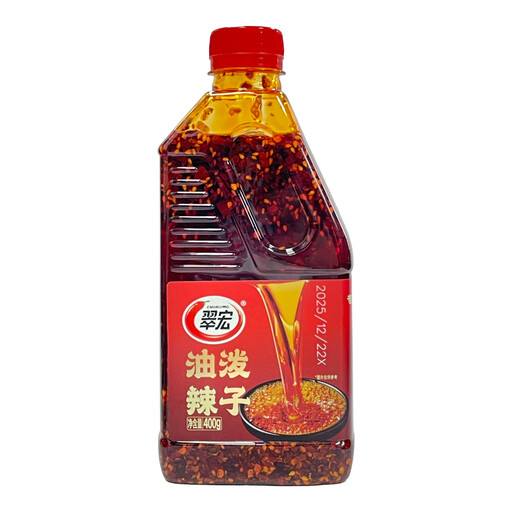
Why It Stands Out: This chili oil is made using a traditional method where hot oil is poured over a mixture of chilies and spices to release their aromas. The result is a highly aromatic oil with a deep red colour and a balanced heat, complemented by roasted sesame.
Key Specifications:
Who It's For: Anyone looking for an aromatic finishing oil. It is an excellent choice as a dip for dumplings, for enhancing noodle soups, or for drizzling over cold appetisers and salads to add aromatic depth and mild heat.
The world of Chinese chili sauces is vast and diverse. If the products featured here aren't exactly what you're looking for, or if you want to discover more varieties, you're sure to find the right fit in our wider selection.
? Discover our entire range of hot peppers and other condiments.
Chili oil is primarily an aromatised oil with chili flakes, serving as a seasoning and finishing oil. The focus is on aroma and a milder heat. A chili paste or a sauce with chopped chilies has a thicker, chunkier consistency and is often used directly in cooking as a primary flavour component. It is typically more intense in both heat and flavour.
Once opened, most chili sauces, especially those that are oil-based or contain fresh ingredients, should be stored in the refrigerator. This prevents spoilage and preserves the freshness and aroma of the sauce. Be sure to always close the lid tightly. You can find specific storage instructions on the product packaging.
The uses are nearly endless. You can use it as a dip for dumplings, spring rolls, or hot pot; stir it into noodle dishes like Dan Dan Mian; season stir-fries like Mapo Tofu or Kung Pao Chicken; or simply add a spoonful over fried rice or a fried egg to give the dish a spicy depth.