
Lieferung heute & morgen

Qualitätsgarantie

Willkommens-Angebote freischalten: KOSTENLOSE Lieferung | Bis zu 80 % RABATT | Kostenlose 30-Tage-JoyPlus-Testphase
App herunterladen
The sheer variety of Chinese chili sauces can be a challenge for newcomers and even seasoned home cooks. From fermented pastes that form the foundation of entire dishes to crispy condiment oils that serve as a finishing touch, the selection is vast and the applications are specific. This guide is designed to provide clarity and help you find the right Chinese chili sauce for your kitchen, whether you're preparing an authentic Sichuan dish or looking to quickly elevate your everyday meals.
To make the right choice, it helps to understand a few fundamental distinctions. Texture, main ingredients, and intended use are crucial factors.
One of the most important distinctions lies in the application. Products like Doubanjiang, also known as Sichuan bean paste, are concentrated cooking pastes. They only release their full aroma when bloomed in hot oil, forming the flavor base for dishes like Mapo Tofu or hot pot. In contrast are ready-to-use condiments like Chili Crisp or Asian chili oil. These are typically added straight from the jar to noodles, rice, dumplings, or vegetables to add texture, heat, and aroma.
The ingredient list reveals the character of the sauce.
Many authentic Chinese spices have a protected regional designation, which stands for a specific production method and quality. A well-known example is Pixian Doubanjiang from Sichuan province, prized for its long fermentation process and intense flavor. Paying attention to the origin can be an indicator of a traditional flavor profile.
Based on these criteria, we have compiled a selection of products that cover different applications and flavor profiles.
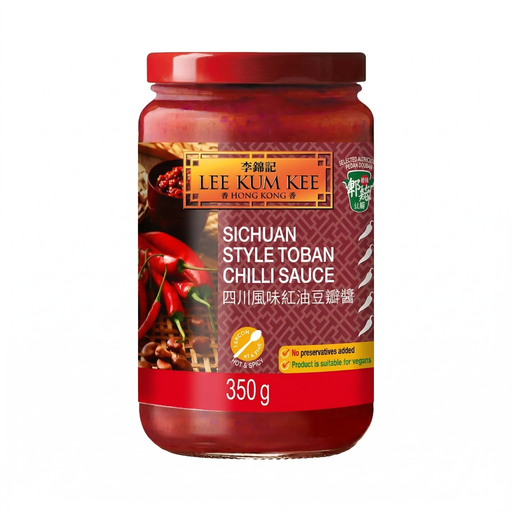
Why It Stands Out: This sauce from Lee Kum Kee is modeled on the classic profile of a Sichuan bean paste. It contains Pixian Doubanjiang and is suitable as a foundational ingredient for preparing numerous Sichuan dishes. The separation of oil and paste in the jar makes it easy to portion.
Pros:
Who It's For: For home cooks who want to prepare authentic Sichuan dishes and are looking for a reliable base ingredient. Anyone wanting to replicate the characteristic flavor of dishes like Mapo Tofu will find the right foundation here.

Why It Stands Out: Lao Gan Ma is an internationally renowned brand, and its Chili Crisp is a phenomenon in its own right. The sauce combines crispy chili flakes with fermented soybeans and peanuts in an aromatic oil. It's less of a cooking ingredient and more of a versatile topping. Those looking to buy Lao Gan Ma are typically seeking this unique combination of texture and flavor.
Pros:
Who It's For: For anyone looking for a quick and easy way to add more flavor and an interesting texture to their dishes. Ideal for students, professionals, and foodies who want an all-purpose condiment in their pantry.
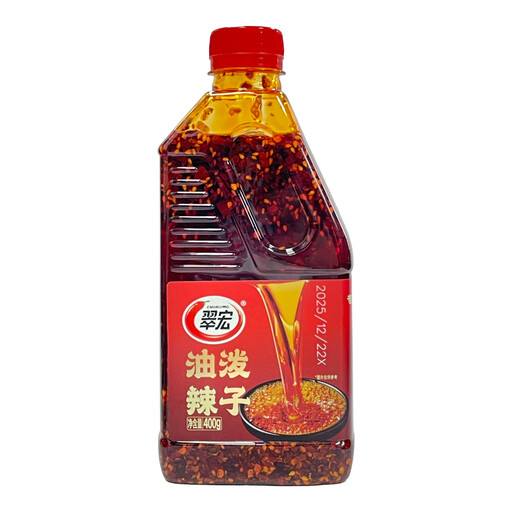
Why It Stands Out: This Asian chili oil from the Cuihong brand in Sichuan focuses on aroma. Made with the traditional technique of pouring hot oil over chilies and spices, it creates an intensely fragrant oil with a vibrant red color. Toasted sesame seeds round out the flavor profile.
Pros:
Who It's For: For lovers of aromatic, not overly spicy, condiment oils. Anyone who appreciates the fragrance and color of chili oil and wants to use it as a finishing oil or for preparing dressings and dips will find this product to be an excellent choice.
The world of Chinese condiment pastes and sauces is far more extensive. If you haven't found the right product among our recommendations or are specifically looking for other varieties like black bean pastes or special spice blends, it's worth taking a look at our extended selection.
Discover our entire range of Chinese chopped paste
Doubanjiang is a thick, salty cooking paste made from fermented beans and chilies that must be heated to release its aroma. It serves as a flavor base for dishes. Chili Crisp is a ready-to-use condiment made of chili flakes and crunchy ingredients in oil, used as a topping.
For an authentic Mapo Tofu, a fermented Sichuan bean paste (Doubanjiang) is the crucial ingredient. It provides the characteristic savory depth and red color of the dish.
Lao Gan Ma Spicy Chili Crisp is a versatile condiment. It can be used straight from the jar as a topping for rice, noodles, egg dishes, steamed vegetables, or as a dip for dumplings. It is also suitable for mixing into stir-fries just before serving.