
Lieferung heute & morgen

Qualitätsgarantie

Willkommens-Angebote freischalten: KOSTENLOSE Lieferung | Bis zu 80 % RABATT | Kostenlose 30-Tage-JoyPlus-Testphase
App herunterladen
Anyone searching for an authentic Chinese chili sauce is often faced with a shelf full of red jars that look identical at first glance. But this impression is deceiving and frequently leads to the wrong purchase. An unsuitable sauce can ruin the flavour of a carefully planned meal. So, before you make a decision, it's important to understand the fundamental differences to avoid the common pitfalls.
The two most common mistakes people make are:
To find the right sauce, you should check two crucial characteristics: the base ingredient and the resulting flavour profile. These determine whether a sauce is suitable for cooking, finishing, or as a side.
The foundation of a sauce defines its function in the kitchen. There are three main types:
The regional origin provides crucial clues about the expected taste experience:
Instead of an overwhelming list, here are specific product recommendations tailored to typical user profiles.
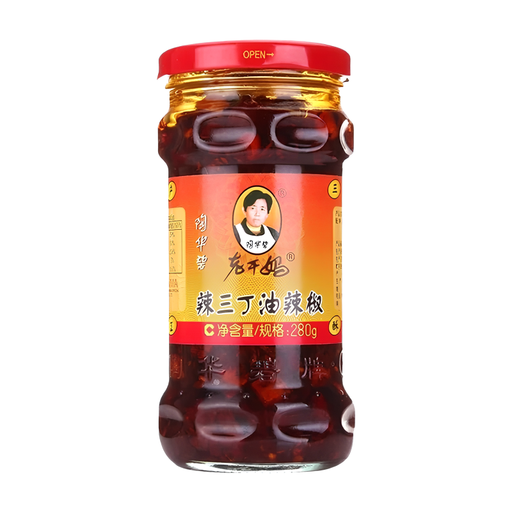
Why This Fits Their Persona: Ideal for anyone looking for a straightforward and versatile spicy Chinese sauce. It instantly elevates simple dishes like rice, noodles, or eggs with no cooking skills required.
This product is a clear "finishing condiment." It is not used for cooking, but as a topping. This prevents the mistake of using a cooking paste raw.
Offers a combination of savoury oil and crunchy solids (chili crisp), delivering both flavour and an interesting texture.
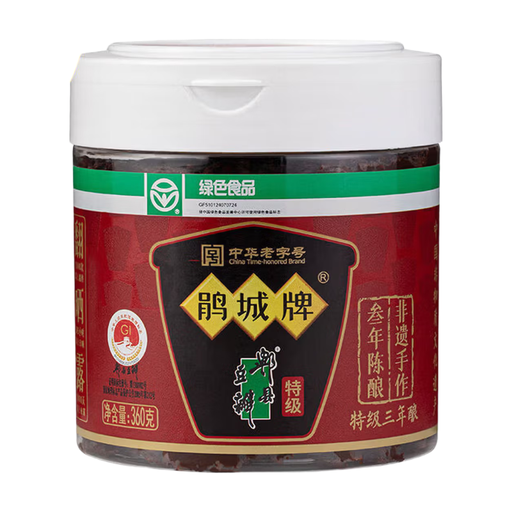
Why This Fits Their Persona: Indispensable for anyone who wants to prepare authentic Sichuan dishes like Mapo Tofu, hot pot, or Twice-Cooked Pork. This is the foundational bean paste for these recipes.
The product description explicitly states that the paste must be bloomed in oil. This makes it clear that it is a cooking ingredient and not a ready-to-eat condiment.
Provides the deep, salty, and complex umami flavour that comes from fermenting broad beans and is essential for an authentic Mapo Tofu sauce.
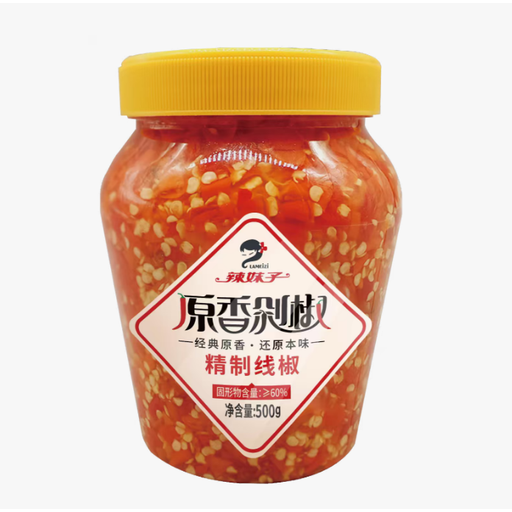
Why This Fits Their Persona: Perfect for cooks who prefer the clean, pure flavour of chilies. This Hunan-style sauce is excellent for steamed dishes, stirring into noodles, or as a spicy side dish.
The texture of clearly visible chopped chilies is distinctly different from oily or pasty sauces. This immediately clarifies its different use case and avoids confusion.
Delivers a fresh, slightly tangy, and direct heat instead of the deep, fermented flavour of bean pastes or the oily richness of chili crisps.
If you're looking for a different type of chili sauce or just want to browse, you can find a complete selection of products in our broader category.
1. How should I store Chinese chili sauce after opening? Most sauces, especially those with fermented ingredients or a low oil content, should be stored in the refrigerator after opening to maintain their freshness. For pure chili oils, a cool, dark place may be sufficient. It is important to always use a clean spoon to avoid contaminating the contents. Always follow the instructions on the label.
2. What is the difference between chili oil and chili crisp? While chili oil primarily refers to the infused oil itself, used for flavouring and finishing, chili crisp also contains the solid, crispy components. These can include toasted chili flakes, peanuts, soybeans, or fried garlic. Chili crisp, therefore, provides not only flavour and heat but also an interesting texture.
3. Is Doubanjiang the same as any other bean paste? No. Doubanjiang is a specific, usually spicy, bean paste made from fermented broad beans, which is typical of Sichuan cuisine. There are many other types of bean pastes made from soybeans that can have different flavour profiles—from sweet (e.g., Tianmianjiang) to salty but not spicy (e.g., yellow soybean paste). For authentic Sichuan dishes, Doubanjiang is the right choice.