
Lieferung heute & morgen

Qualitätsgarantie

Willkommens-Angebote freischalten: KOSTENLOSE Lieferung | Bis zu 80 % RABATT | Kostenlose 30-Tage-JoyPlus-Testphase
App herunterladen
A high-quality Chinese cleaver is more than just a cutting tool; it's a versatile partner in the kitchen that masters nearly every task, from finely mincing herbs to powerfully chopping vegetables. However, the market is overwhelming, and many well-intentioned purchases end in disappointment. Before you invest, you should understand the typical pitfalls that often hide behind tempting product descriptions.
As your Joybuy Product Recommendation Officer, I'll help you separate marketing hype from measurable facts. Here are the three most common mistakes and how to avoid them.
To avoid a bad purchase, focus on three objective criteria. These will help you realistically assess a knife's performance and durability.
The most important decision concerns the intended use. Your choice will determine the required blade shape and weight.
The quality of the steel determines edge retention (how long the knife stays sharp) and corrosion resistance.
A well-constructed knife fits securely in the hand and allows for fatigue-free work.
Based on these objective criteria, we have identified several products suited for specific user profiles.
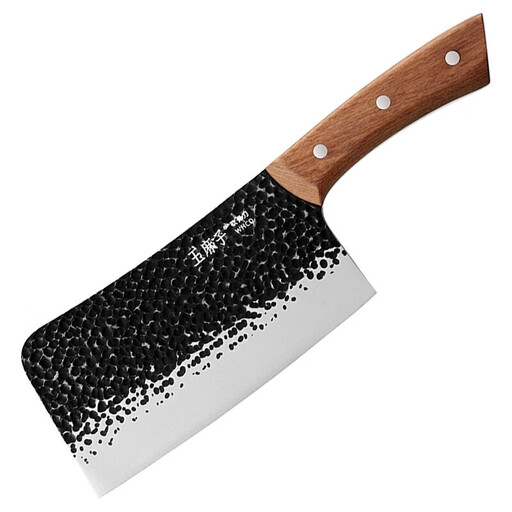
Why This Fits Their Persona: This knife is designed as a classic slicer (Pian Dao). It's ideal for home cooks looking for a versatile tool for daily prep of vegetables, herbs, and boneless meat. The 170 mm blade is agile and easy to control.
It is clearly positioned as a slicer for precision tasks, not mistakenly as an all-purpose cleaver. This prevents improper use and protects the blade.
The carbon steel blade allows for a very sharp edge. The full-tang construction ensures good balance and durability.
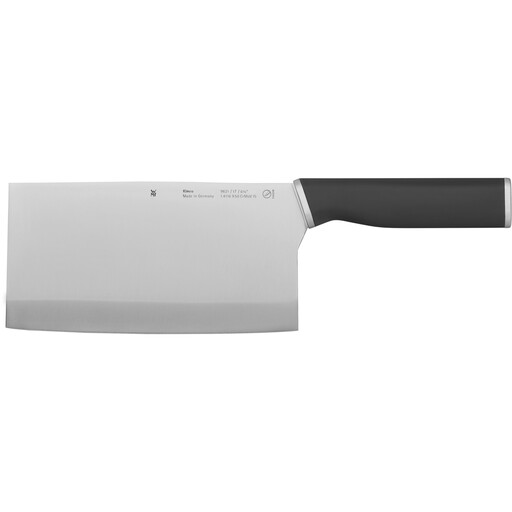
Why This Fits Their Persona: For cooks who value German engineering, modern design, and proven quality. This knife combines the shape of a Chinese cleaver with WMF's material and manufacturing standards.
WMF avoids vague claims by citing specific technologies like Performance Cut and specifying the blade hardness of 55-58 HRC. This creates transparency about the material quality.
Made from hardened special blade steel for high edge retention and corrosion resistance. The ergonomic handle ensures safe and comfortable handling.

Why This Fits Their Persona: This knife is a true cleaver (Gu Dao) designed for heavy-duty work. It is suitable for cooks who regularly need to cut through bones or process very hard vegetables like squash.
The product description explicitly highlights its suitability for "heavy-duty tasks" and "chopping through bones." The robust construction and substantial weight are clearly aligned with its function as a cleaver.
The massive blade and stable full-tang construction provide the necessary power and resilience for demanding chopping tasks that would damage a standard chef's knife.
We have compiled a complete, up-to-date list of products that fully meet these strict selection criteria and safety regulations.
No, this is a common misconception. Only heavy, thick cleavers (Gu Dao or kitchen choppers) are designed for chopping bones. Using a thin slicer (Pian Dao) for this task will most likely lead to chipping or bending of the blade. Always check the manufacturer's specifications for the intended use before purchasing.
A forged chef's knife is heated and hammered into shape from a single piece of steel. This process compacts the metal's structure, often resulting in greater stability and edge retention. They can often be identified by the bolster (the thick part between the blade and handle). Stamped knives are cut out from a sheet of steel. They are cheaper to manufacture but can still offer good performance with proper heat treatment. Forged knives are generally considered more durable and of higher quality.
Proper care ensures the longevity of your knife. Always clean it by hand with warm water and mild dish soap, and dry it thoroughly immediately. Never put it in the dishwasher, as harsh detergents and high temperatures can damage the blade and handle. For sharpening, whetstones (sharpening stones) are best. Due to the flat grinding angle of Asian knives, this requires some practice but is the most effective way to maintain the original sharpness. A honing steel is more suitable for realigning the edge on European knives and is less recommended for Chinese cleavers.