
当日/次日达

品质保障

开启新人专享福利: 全场免邮 | 低至 2 折 | 免费试用 30 天 JoyPlus 会员
下载 Joybuy
The selection of Asian sweets in European supermarkets and online shops is steadily growing. Chinese cookies and pastries, in particular, are finding an ever-larger audience. However, the sheer variety can be overwhelming and presents several pitfalls that can spoil the experience. Those searching for authentic flavour often face the challenge of distinguishing true quality from mass-produced goods with vague promises.
This guide will help you navigate the typical hurdles of buying Chinese baked goods and find the perfect pastry to suit your taste.
Common Pitfalls When Buying Chinese Cookies:
To make an informed decision, you should pay attention to a few core characteristics. These will help you objectively evaluate a product's quality and character.
High-quality ingredients are the foundation of authentic taste. Check whether real nuts, seeds, or fruits are used instead of just artificial flavourings. A high percentage of namesake ingredients, as in walnut cookies or almond pastries, is often an indicator of quality. A short and understandable ingredient list is usually a good sign.
Chinese pastries are incredibly diverse. Before buying, find out the specific type of baked good to ensure the texture matches your preferences:
Traditional Chinese baked goods are often less sweet than their Western counterparts. Many manufacturers now also offer versions with reduced sugar or alternative sweeteners like maltitol. These products are an excellent choice for anyone who maintains a more health-conscious lifestyle or prefers the pure taste of the ingredients. Look for labels like "reduced sugar" or the mention of sweeteners in the ingredients list.
Based on these criteria, we have curated a selection of products for various preferences.
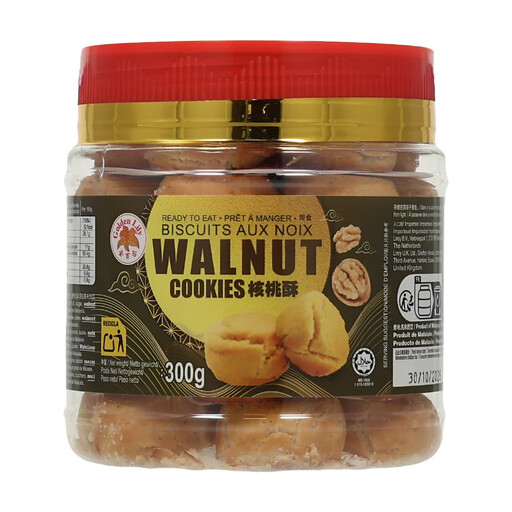
Why This Fits Their Persona: Ideal for anyone seeking a straightforward yet flavourful cookie for tea or coffee. The high walnut content provides an authentic, nutty aroma and a pleasantly crumbly texture.
Instead of relying on artificial flavourings, this cookie delivers a genuine nut taste with a walnut content of 16.4%. The texture is classically crumbly, meeting the expectations for a traditional walnut cookie.
Rich, nutty flavour from real walnut pieces. Classic, melt-in-your-mouth texture.
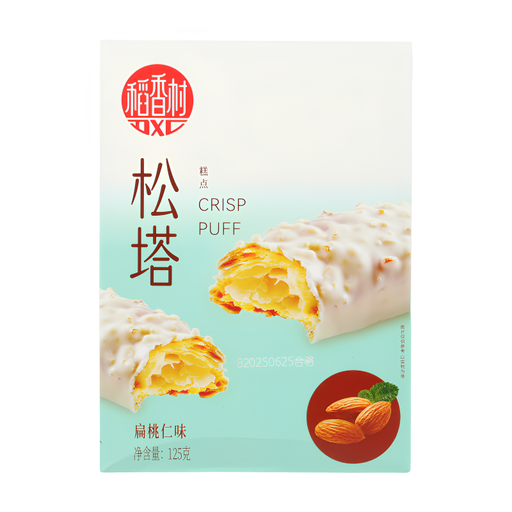
Why This Fits Their Persona: Perfect for the curious who are looking for a change from conventional cookies. The Daoxiangcun brand is known for its traditional Chinese pastries and here offers a light and crispy puff pastry specialty.
The description as "Thousand-layer pastry" sets the right expectation for the texture, avoiding the disappointment of receiving a simple cookie. It's a specialty pastry, not a standard biscuit.
Very crispy, multi-layered texture. Subtle almond flavour that isn't overpowered by sweetness.
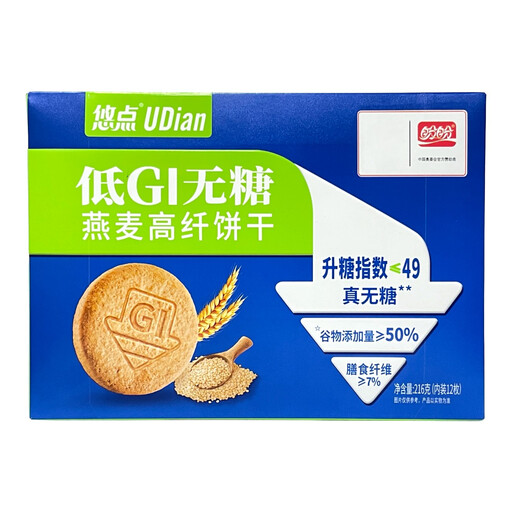
Why This Fits Their Persona: These biscuits are aimed at people who watch their sugar intake or prefer a high-fibre diet. They combine whole wheat flour and oats to create a nutritious snack.
The product avoids the sugar trap by using maltitol (E965) instead of sucrose. The "sugar-free" and "high-fibre" labels are clear and transparent.
No added sugar, sweetened with a sugar substitute. High fibre content from whole wheat flour and oats.
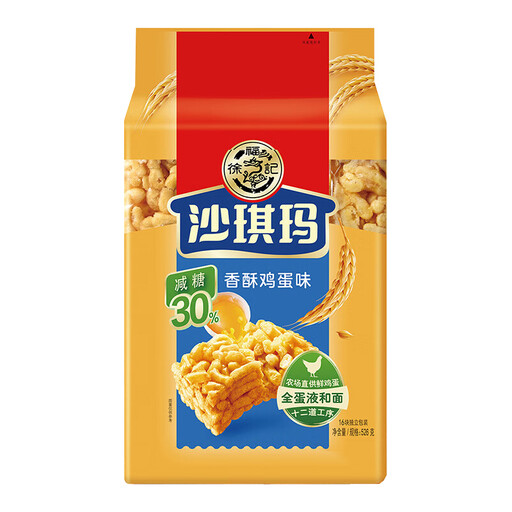
Why This Fits Their Persona: For those who love the unique taste and soft texture of Sachima but prefer a less sweet version. This product offers the classic enjoyment with a more balanced flavour profile.
The clear "30% less sugar" claim specifically targets buyers seeking authentic flavour without excessive sweetness. The description as "Sachima" ensures buyers get the expected soft, airy texture.
Authentic, soft Sachima texture. Balanced sweetness thanks to reduced sugar content. Rich, eggy flavour.
We have compiled a complete, up-to-date list of products that fully meet these strict selection criteria and applicable regulations.
Most crispy cookies and pastries should be stored in an airtight container after opening. Keep them in a cool, dry place away from direct sunlight. This prevents them from absorbing moisture and becoming soft. Products in tins or individually wrapped cookies generally retain their freshness longer.
Sachima is not a cookie in the Western sense. It is a traditional Chinese pastry made from thin strands of fried dough, which are pressed into a soft, slightly chewy block with a syrup (often malt syrup). The texture is airy and soft, unlike the hard, crunchy properties of most cookies.
Although fortune cookies are associated with Chinese restaurants worldwide, they are not a traditional Chinese invention. Their origins can be traced back to 19th-century Japanese crackers, and their popularity grew mainly in the United States. In China itself, they are largely unknown and are not part of the repertoire of traditional Chinese baked goods.