
Lieferung heute & morgen

Qualitätsgarantie

Willkommens-Angebote freischalten: KOSTENLOSE Lieferung | Bis zu 80 % RABATT | Kostenlose 30-Tage-JoyPlus-Testphase
App herunterladen
For anyone looking to create authentic Chinese dishes, one ingredient is nearly indispensable: Chinese cooking wine (料酒, Liaojiu). It's the secret behind the deep, complex flavour of many meals and is essential for neutralizing unwanted odours from meat or fish. However, buying it can be confusing. Different names, unclear labels, and a wide selection often lead to the wrong purchase, which can compromise your final dish.
This guide will help you avoid the most common pitfalls and find the perfect Chinese cooking wine for your kitchen.
Many home cooks grab the wrong product because they fall for common misconceptions. You should avoid these two mistakes:
To buy the right Chinese cooking wine, focus on these three parameters instead of being swayed by marketing promises.
The most important distinction is between wine meant exclusively for cooking and wine that can also be consumed as a beverage.
Besides the basic wine, there are specialized varieties that can save you a step in the kitchen.
For purists and health-conscious cooks, a look at the ingredients is crucial.
Here are three recommendations tailored to different needs and cooking styles.
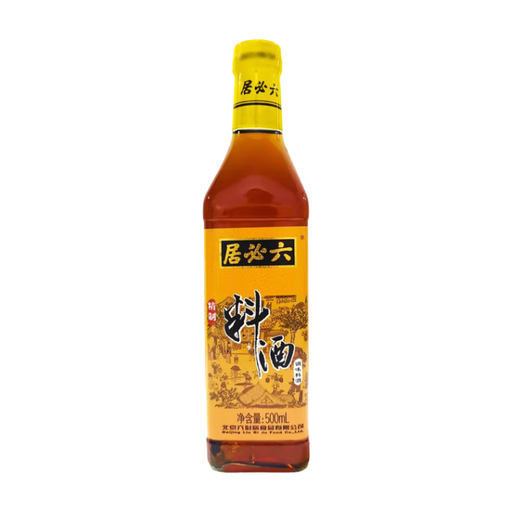
Why This Fits Their Persona: A reliable and versatile standard cooking wine (Liaojiu) from a time-honoured brand. It's the ideal kitchen staple for anyone starting to explore Chinese cuisine and in need of a dependable seasoning for everyday dishes.
This product is clearly labelled as a salted cooking wine. It prevents confusion with a drinking wine and perfectly fulfils the function required in most standard recipes for cooking wine for Asian dishes.
Effectively removes odours and enhances flavour; versatile for marinades, stir-fries, and braises.
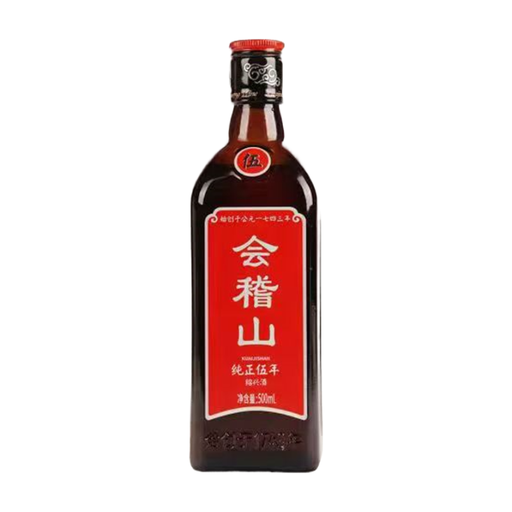
Why This Fits Their Persona: For cooks who want to take the next step and give their dishes an authentic, deep, and complex flavour. This 5-year aged Shaoxing wine is both a pleasure to drink and a high-quality cooking ingredient.
This is a genuine, unsalted Huadiao wine. It avoids the pitfall of using a basic cooking wine when a recipe demands the complexity of a true Shaoxing wine. The 5-year age statement is a clear mark of quality.
Aged for five years for a rich aroma and smooth taste; brewed with water from Jianhu Lake for authenticity.
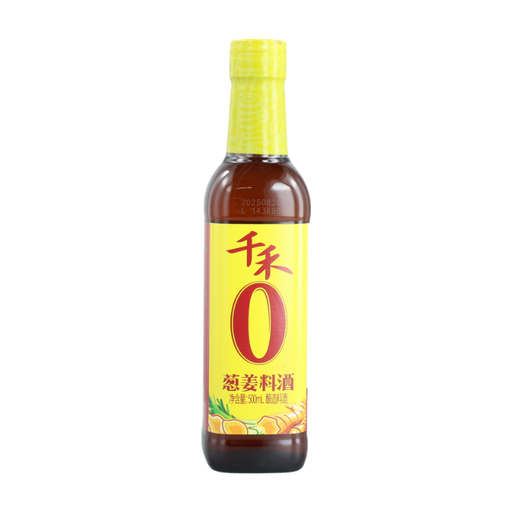
Why This Fits Their Persona: Perfect for busy cooks who value both convenience and pure ingredients. This wine combines three seasonings in one while being completely free of artificial additives, making it a modern and practical choice.
This product directly addresses the pitfall of hidden additives. The "No Additives" label guarantees a clean ingredient list. It is a specialized cooking wine with ginger and scallions that clearly communicates its purpose.
Combines cooking wine, ginger, and scallions in one step; contains no artificial colours, flavours, or preservatives.
We've compiled a complete, up-to-date list of products that fully meet these strict selection criteria and comply with local regulations.
Chinese cooking wine (Liaojiu) is a salted rice wine made specifically for seasoning. Shaoxing wine is a type of Chinese yellow wine (Huangjiu) from the Shaoxing region, which is used for both drinking and cooking. Shaoxing wine used for cooking is typically higher quality and unsalted, resulting in a richer flavour profile.
Due to its salt and alcohol content, Chinese cooking wine has a very long shelf life. Once opened, it should be tightly sealed and stored in a cool, dry place. Refrigeration is not strictly necessary but can help preserve the aroma for many months. When in doubt, check the manufacturer's instructions on the packaging.
Dry sherry is the most commonly recommended substitute for Chinese cooking wine, as it has a similar flavour profile. It can be used in equal amounts in most recipes. However, be aware that sherry can slightly alter the authentic taste of a dish. For a truly traditional result, using genuine Chinese cooking wine or Shaoxing wine is preferable.