Joybuy Insights

Chinese Cooking Wine: A Buyer's Guide to Avoid Common Mistakes

For anyone looking to create authentic Chinese dishes, one ingredient is virtually indispensable: Chinese cooking wine. It's fundamental for neutralising unwanted odours in meat or fish and for adding a deep, complex layer of flavour—known as umami—to your dishes. However, the online selection can be overwhelming, often leading to disappointing purchases that compromise the final result.

Before you make a decision, you should be aware of two common pitfalls that often lead to disappointment:

  1. Confusing Drinking Wine with Cooking Wine: Many people reach for a high-quality Shaoxing drinking wine, assuming it's the best choice for cooking. However, drinking wines do not contain salt and have a different flavour profile. Specialised cooking wine, also known as Liaojiu, is salted and often infused with spices, which optimises it for preparing food but makes it unpalatable as a beverage.
  2. Overlooking Additives: Some cooking wines contain flavour enhancers like monosodium glutamate (MSG, E621) or artificial colourings to achieve a more intense aroma or a darker colour. If you prefer a clean ingredient list, you should check the label carefully.

This guide will help you navigate these challenges and find the right cooking wine for your kitchen.

What to Look For: The Key Parameters

To find the right Chinese cooking wine, you should consider three core aspects. These will help you correctly interpret product descriptions and make an informed choice.

Parameter 1: Wine Type – Liaojiu, Shaoxing Wine, or Huadiao Wine?

The terms can be confusing, but they describe different products for various purposes.

  • Liaojiu (料酒): This is the general term for rice wine for cooking. It is typically based on rice or yellow wine (Huangjiu) to which salt and sometimes spices like ginger, star anise, or orange peel are added. Liaojiu is the all-rounder in the Chinese kitchen, perfect for marinating meat and for stir-fries.
  • Shaoxing Wine (绍兴酒): A famous Chinese yellow wine (Huangjiu) from the Shaoxing region. It is brewed from glutinous rice, wheat, and water from Jianhu Lake. Unsalted Shaoxing wine is a popular beverage but can also be used for cooking, especially in braised dishes where its complex aroma can shine. Salted Shaoxing cooking wines are also available.
  • Huadiao Wine (花雕酒): This is a higher-quality variety of Shaoxing wine, often aged for longer. The name means "carved flower" and refers to the traditionally decorated jars in which the wine matures. It is used for dishes that require exceptional depth of flavour.

Parameter 2: The Ingredient List – Salt, Alcohol, and Potential Additives

A close look at the ingredients is essential.

  • Salt: An Asian cooking wine almost always contains salt. This not only adds flavour but also classifies the product as a food item for customs purposes, rather than an alcoholic beverage. The salt content varies, which should be considered when seasoning your recipe.
  • Alcohol Content: The alcohol content typically ranges between 10% and 20% ABV. The alcohol helps to extract fat-soluble flavours from ingredients and to bind and evaporate unwanted odours (e.g., from fish or meat) during cooking.
  • Additives: Look out for additives like monosodium glutamate (MSG, E621), caramel colour (E150), or other flavour enhancers. There are many products that deliberately avoid such additives and are labelled as "no additives" or "zero-additive."

Parameter 3: Intended Use – For Marinating, Wok-Frying, or Braising?

The intended use determines the choice.

  • For Marinating and Stir-Fries: For this, a simple but effective Liaojiu is often the most pragmatic choice. Products with added ginger and scallions can further simplify the preparation process.
  • For Braises and Soups: A high-quality, possibly aged Shaoxing wine or Huadiao wine can fully develop its complex aromas here, lending a remarkable depth to the dish.
  • For Japanese Cuisine: Here, a Japanese cooking wine like cooking sake is the right choice. It has a lighter, often more subtle profile than its Chinese counterpart and harmonises better with the flavours of Japanese dishes.

Top Picks for Every Profile

Here are some recommendations tailored to different needs and cooking styles.
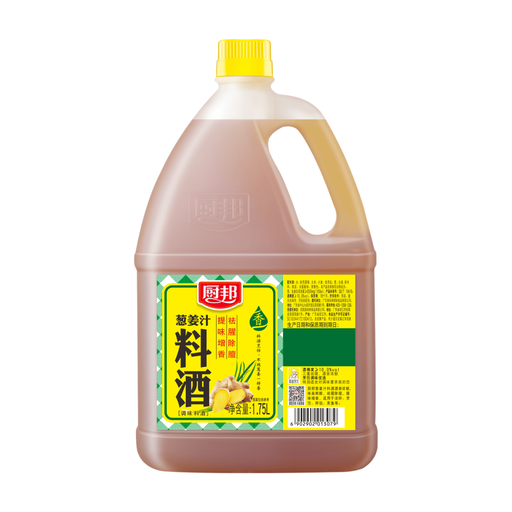
MATCH FOR: Beginners and Frequent Cooks
Chu Bang Cooking Wine with Scallion & Ginger Juice 1.75L

Chu Bang Cooking Wine with Scallion & Ginger Juice 1.75L

Why This Fits Their Persona: Ideal for those who cook regularly and value efficiency. The large 1.75L bottle offers great value for money, and the included ginger and scallion flavours save a preparation step for marinades and stir-fries.

How It Avoids the Trap

This product is clearly labelled and formulated as a cooking wine (Liaojiu). There is no risk of confusing it with a drinking wine. Its function is explicitly for cooking.

Key Advantage & Pros

A convenient 2-in-1 solution with ginger and scallion flavours. The large bulk bottle is economical for frequent use.
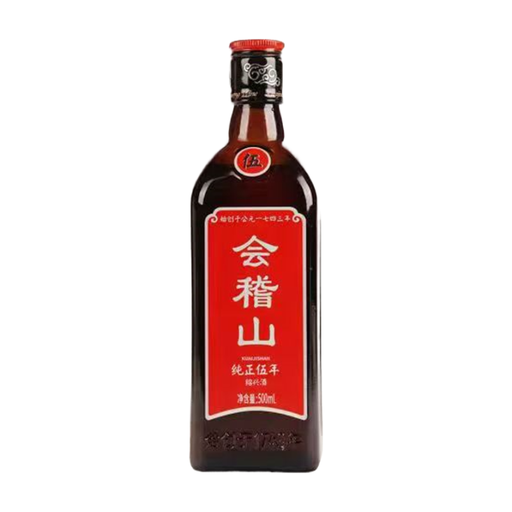
MATCH FOR: Authentic Flavour Enthusiasts
Kuai Ji Shan 5-Year Aged Chunzheng Shaoxing Wine 500ml

Kuai Ji Shan 5-Year Aged Chunzheng Shaoxing Wine 500ml

Why This Fits Their Persona: For cooks who appreciate the deep, nuanced taste of traditionally produced Shaoxing wine. The five-year ageing process gives this wine a special complexity, making it ideal for braised dishes like "Hong Shao Rou" or sophisticated sauces.

How It Avoids the Trap

This is an authentic Shaoxing wine that can be used for both drinking and cooking. The user consciously chooses it for its flavour profile, not by mistake. It is intended for dishes where the wine plays a starring role.

Key Advantage & Pros

A five-year aged base wine for a rich, mellow aroma. Made with water from Jianhu Lake using traditional methods.
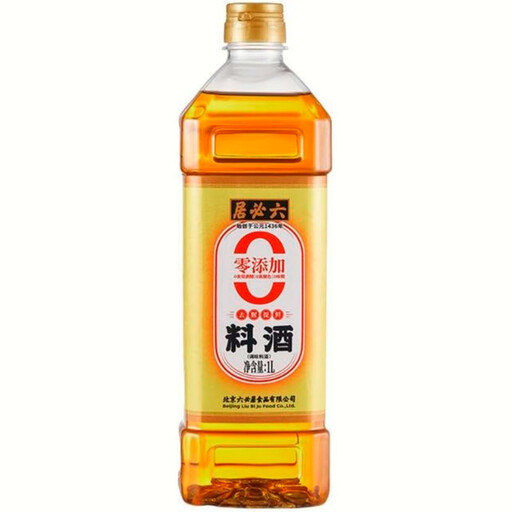
MATCH FOR: Health-Conscious Cooks
Liu Bi Ju Zero-Additive Cooking Wine 1L

Liu Bi Ju Zero-Additive Cooking Wine 1L

Why This Fits Their Persona: Perfect for anyone seeking a clean ingredient list without compromising on taste. This product from the heritage brand Liu Bi Ju explicitly avoids added preservatives, colourings, and flavour enhancers like MSG.

How It Avoids the Trap

This product directly addresses the pitfall of hidden additives. The "Zero-Additive" label provides transparency and peace of mind for consumers who want to avoid certain ingredients.

Key Advantage & Pros

Clean ingredient list: Consists of yellow wine (water, rice, wheat, Jiuqu), water, salt, and spices. Traditionally brewed for an authentic, mild flavour.
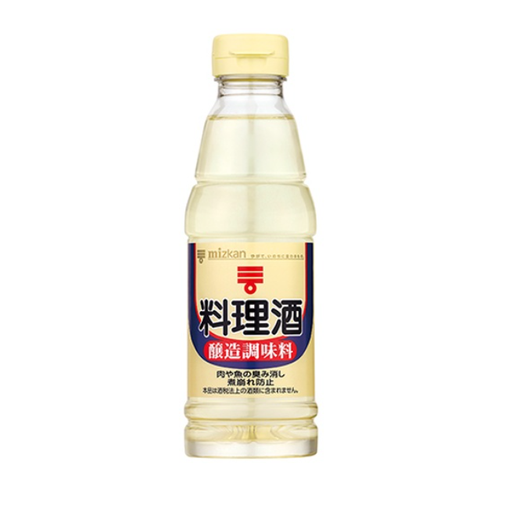
MATCH FOR: Japanese Cuisine
[ALC.]Mizkan cooking sake (360mL)

[ALC.]Mizkan cooking sake (360mL)

Why This Fits Their Persona: For cooks preparing authentic Japanese dishes like teriyaki, sukiyaki, or gyudon. This Japanese cooking sake from Mizkan has a lighter, more subtle flavour profile than Chinese cooking wines and is specifically designed for Japanese cuisine.

How It Avoids the Trap

It prevents the mistake of using a robust Chinese Shaoxing wine in a delicate Japanese dish, where its flavour would be too overpowering. It highlights the difference between various Asian cooking wines.

Key Advantage & Pros

Authentic Japanese cooking sake from an established brand (Mizkan). Specially developed for seasoning Japanese dishes, sauces, and marinades.

Looking for More Options?

We have compiled a complete, up-to-date list of products that fully meet these strict selection criteria and local regulations.

Frequently Asked Questions (FAQ)

Can you substitute dry sherry for Chinese cooking wine?

Dry sherry is often cited as a substitute and can work in a pinch. However, its flavour profile is distinctly different. Sherry tends to be fruitier and sweeter, and it lacks the specific, earthy fermentation notes of a rice wine. For an authentic Chinese taste experience, a genuine Shaoxing wine or Liaojiu is the more precise choice.

How long does Chinese cooking wine last after opening?

Due to its high salt and alcohol content, cooking wine has a very long shelf life. After opening, the bottle should be tightly sealed and stored in a cool, dark place. Storing it in the refrigerator is often recommended to best preserve the aroma for several months.

What is the difference between Huadiao wine, Shaoxing wine, and Liaojiu?

These terms describe a hierarchy and different uses.

  • Shaoxing wine is a protected designation of origin for a yellow wine (Huangjiu) from the Shaoxing region.
  • Huadiao wine is a particularly high-quality, often longer-aged grade of Shaoxing wine.
  • Liaojiu is the general term for any wine intended for cooking. It is almost always salted and can be based on a simpler Huangjiu infused with spices. It is the functional all-rounder for everyday cooking.