
Lieferung heute & morgen

Qualitätsgarantie

Willkommens-Angebote freischalten: KOSTENLOSE Lieferung | Bis zu 80 % RABATT | Kostenlose 30-Tage-JoyPlus-Testphase
App herunterladen
Anyone who wants to prepare authentic Chinese dishes at home will find one ingredient almost indispensable: Chinese cooking wine (料酒, Liaojiu). It's the secret behind the complex aroma and tenderness of meat and fish dishes that you know from good restaurants. However, for home cooks in the UK and Europe, buying it can present unexpected hurdles. Different names, unclear ingredient lists, and marketing terms often lead to buying mistakes that compromise the final result.
As a Joybuy Product Recommendation Officer, I'm here to help you avoid these pitfalls. This guide explains the crucial criteria you need to look for and shows you how to select the right Chinese rice wine for your kitchen.
Before we dive into the details, let's look at the typical problems that lead to unsatisfactory results. If you know what they are, you can actively avoid them.
To buy the right Chinese cooking wine, focus on three objective parameters. These will help you quickly assess a product's quality and intended use.
Understanding the terminology is the key to making the right choice.
A quick check of the ingredient list reveals the quality. Pay attention to the following points:
The choice depends on your cooking style and convenience.
Here are some recommendations tailored to different needs and cooking styles.
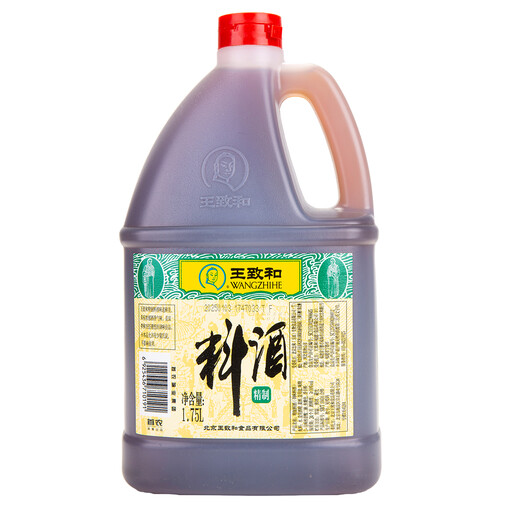
Why This Fits Their Persona: Ideal for anyone who cooks Chinese food regularly and needs a reliable base ingredient. The large 1.75-litre bottle offers excellent value for money and ensures you always have a supply for marinades and stir-fries.
This is a classic, clearly declared Liaojiu (cooking wine). There is no risk of confusing it with an unsalted drinking wine, which minimises the risk of oversalted dishes.
Large volume for regular use; a versatile all-rounder for marinating, stir-frying, and braising.
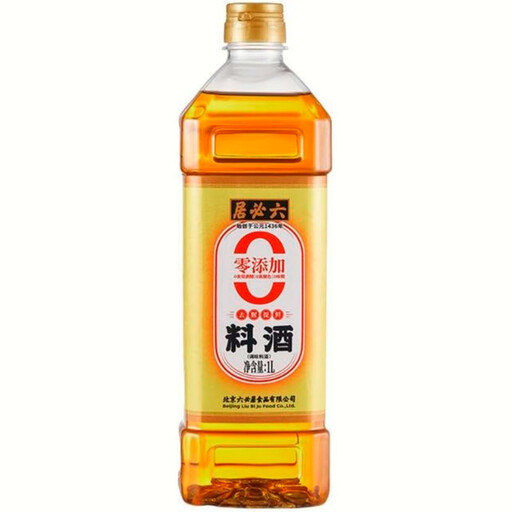
Why This Fits Their Persona: For cooks who value pure ingredients and traditional production. This product from a time-honoured brand deliberately avoids added flavour enhancers and colourants, delivering an authentic, unadulterated flavour.
This product directly addresses the pitfall of hidden additives. The clear "additive-free" labelling and short ingredient list (yellow wine, water, salt, spices) create maximum transparency.
No added preservatives, colourants, or MSG; traditionally brewed for a rich, mellow flavour.
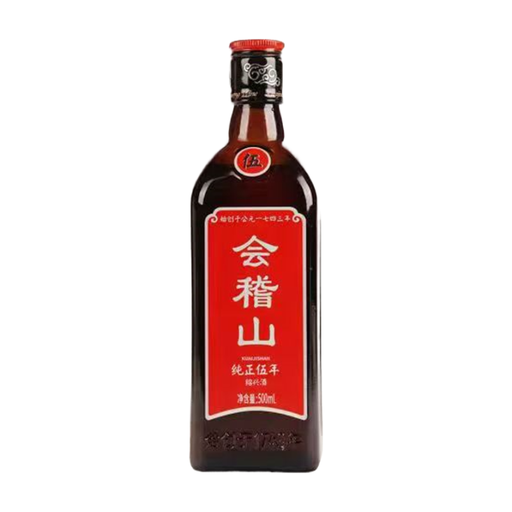
Why This Fits Their Persona: Perfect for cooks who want to elevate the flavour of their braised dishes and sauces to the next level. This 5-year aged Shaoxing wine offers a depth and complexity that a simple Liaojiu cannot match.
Now that you know the difference between Liaojiu and Shaoxing wine, you can use this product intentionally. It's an unsalted drinking wine that is ideal for cooking, as long as you adjust the salt in the recipe.
Aged for 5 years for a concentrated aroma and a mellow flavour; brewed with water from Jianhu Lake using traditional methods.
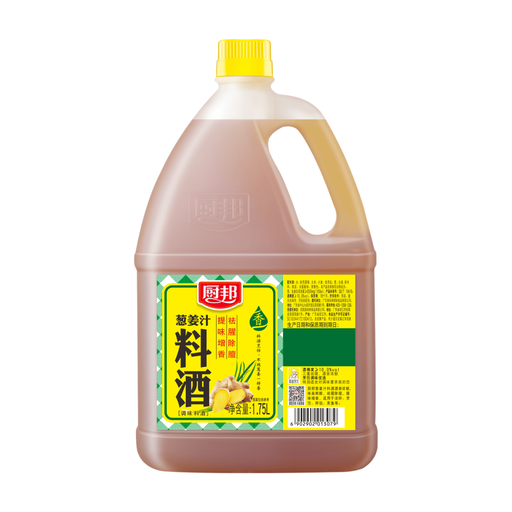
Why This Fits Their Persona: For those who want authentic flavour but also want to save time. This product combines cooking wine with ginger and spring onion juice, making it the perfect 2-in-1 solution for quick marinades.
The product name is unambiguous and describes its contents precisely. You aren't accidentally buying a flavoured wine; you're choosing it intentionally to skip the prep step of chopping ginger and spring onions.
Saves preparation time; ideal for marinating meat and fish; large bottle for frequent use.
We've compiled a complete, up-to-date list of products that fully meet these strict selection criteria.
1. Can you substitute Chinese cooking wine with dry sherry? Although dry sherry is often recommended as a substitute, it's not a perfect alternative. Sherry has a fruitier, different flavour profile. For an authentic Chinese dish, a real Chinese rice wine is preferable. Liaojiu, in particular, has a specific savoury and slightly salty note that sherry lacks, which is crucial for many dishes.
2. How long does opened Chinese cooking wine last? Due to its alcohol and salt content, Liaojiu is very stable. Stored in a cool, dark place and tightly sealed, it will last for many months, often up to a year. The aroma may fade slightly over time. Refrigeration is recommended on some labels but is not strictly necessary with proper storage.
3. What is the exact difference between Shaoxing wine and Liaojiu? In short: Liaojiu is a pure cooking wine with added salt to make it unpalatable as a beverage and to enhance its seasoning properties. Shaoxing wine is a high-quality, unsalted rice wine (Huangjiu) that can be both drunk and used for cooking. When cooking with a Shaoxing-category rice wine, you must adjust the amount of salt in the recipe, whereas with Liaojiu, the salt is already included.