
Lieferung heute & morgen

Qualitätsgarantie

Willkommens-Angebote freischalten: KOSTENLOSE Lieferung | Bis zu 80 % RABATT | Kostenlose 30-Tage-JoyPlus-Testphase
App herunterladen
For anyone looking to cook authentic Chinese dishes, one ingredient is indispensable: Chinese cooking wine. However, the selection can be overwhelming. Navigating terms like Shaoxing wine, Huadiao wine, and Liaojiu, it's easy to choose the wrong product and compromise the flavour of your dish. Many home cooks resort to unsuitable alternatives or fall for marketing ploys that obscure the wine's true purpose.
This guide will help you avoid the most common mistakes and find the right cooking wine for your kitchen. We'll clarify what truly matters, ensuring your next stir-fry or braised dish tastes just like the original.
Confusing Cooking Wine (Liaojiu) with Drinking Wine (Huadiao/Shaoxing): Not every rice wine from China is meant for cooking. Many high-quality Shaoxing wines are designed to be enjoyed as a beverage. Liaojiu (料酒), on the other hand, is a wine made specifically for cooking, with added salt and sometimes spices. Its primary function is to neutralise unwanted odours in meat or fish and to build a foundational depth of flavour. Using an expensive drinking-grade Shaoxing for a marinade is not only a waste of money but often fails to produce the desired effect.
Ignoring the Ingredient List: Many commercially available cooking wines contain flavour enhancers like monosodium glutamate (MSG/E621), artificial flavourings, or excessive salt. These additives can overpower the delicate taste of the main ingredients and may not align with the principles of a purist culinary approach. A quick look at the ingredients reveals whether you're getting a traditionally brewed product or a heavily processed seasoning sauce.
To find the right rice wine for cooking, you should evaluate two crucial criteria. This will help you select a product that perfectly suits your culinary needs.
The type of wine is the primary determinant of its application. This distinction is fundamental to the success of your recipes.
The composition provides insight into the quality and character of the cooking wine.
Here are some recommendations tailored to different needs and cooking styles.
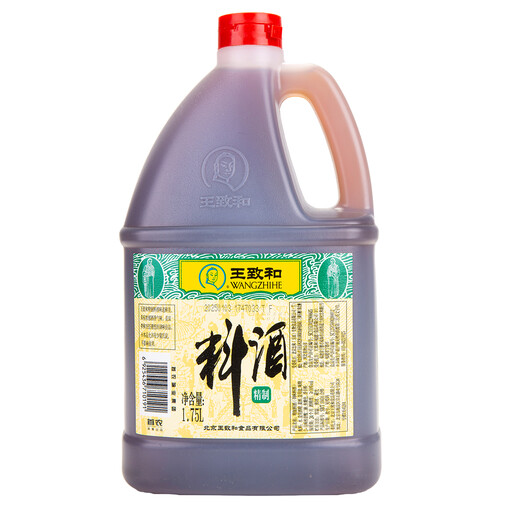
Why it's a good fit: Ideal for those who cook Asian food regularly and need a reliable all-rounder. The large 1.75L bottle offers excellent value for money and covers the needs for numerous dishes, from marinating meat to deglazing a wok.
This product is a classic Liaojiu (cooking wine). It is clearly designed for food preparation, preventing any confusion with a pure drinking wine.
Reliable quality from a heritage brand for odour removal and flavour enhancement. The large volume is economical for frequent cooks.
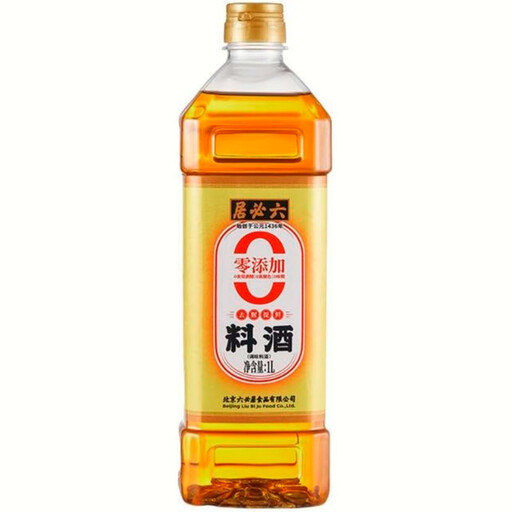
Why it's a good fit: For cooks who value pure ingredients and want full control over their seasoning. This cooking wine contains no added preservatives, colourings, or MSG, delivering an authentic flavour.
It directly addresses the pitfall of hidden additives. The "Zero-Additive" label guarantees a transparent and pure ingredient list for an unadulterated taste.
Traditionally brewed for a rich, mellow aroma. It allows the natural flavour of the food to shine without being masked by artificial flavourings.
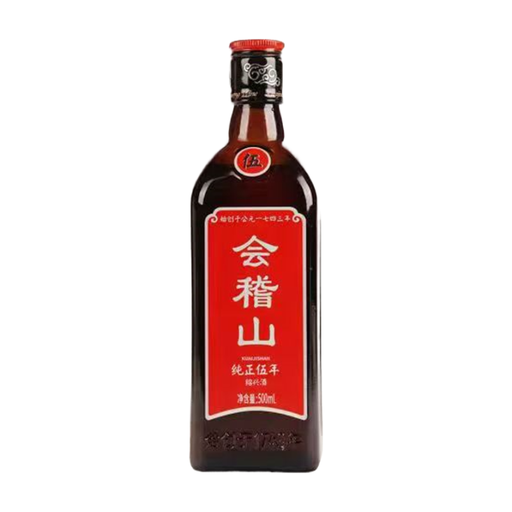
Why it's a good fit: For connoisseurs aiming to achieve the deep, complex flavour of classic braised dishes. The five-year ageing process gives this Huadiao wine a smoothness and aromatic depth that a standard cooking wine cannot offer.
This is a specific, high-quality Shaoxing wine, not a generic Liaojiu. It helps users understand the distinction and choose the right tool for a more demanding culinary task.
Five-year aged base wine for a concentrated aroma and a robust yet smooth taste. Classified as a "Superior Grade Product" according to Chinese National Standard (GB/T17946).
Dry sherry is a commonly cited substitute, but it's not an ideal replacement. While it can provide a similar base note, it lacks the specific aromatic complexity and salt content of a genuine Liaojiu or Shaoxing wine. For an authentic result, using the original product is always preferable.
Although all are made from rice, their flavour profiles and uses are very different.
It is generally recommended. While the high salt and alcohol content act as preservatives, refrigeration helps protect the aromas and prevents the wine from deteriorating in quality. Always follow the storage instructions on the product's label.