
Lieferung heute & morgen

Qualitätsgarantie

Willkommens-Angebote freischalten: KOSTENLOSE Lieferung | Bis zu 80 % RABATT | Kostenlose 30-Tage-JoyPlus-Testphase
App herunterladen
By Joybuy Product Recommendation Officer, August 29, 2026
Anyone who wants to prepare authentic Chinese dishes like "Hong Shao Rou" (red-braised pork) or Kung Pao chicken quickly realises that one ingredient is essential: Chinese cooking wine. However, finding the right product in Western supermarkets can be confusing. The shelves offer a variety of bottles with labels that are difficult for the uninitiated to decipher.
Before you make a decision, it's important to know the most common pitfalls that can lead to unsatisfactory cooking results or a poor investment:
To find the right Chinese cooking wine, you should consider three core parameters. These will help you objectively evaluate a product's function and quality.
The terms can be confusing, but they refer to different classifications:
The composition reveals the character of the wine.
The alcohol content, typically between 10% and 20% ABV, is a functional component. During heating, the alcohol evaporates, helping to bind and volatilise odour-causing compounds in meat and fish (known as amines). At the same time, it tenderises the meat. A higher alcohol content can be advantageous for strong-smelling ingredients like lamb or offal.
Instead of making a one-size-fits-all recommendation, we have selected products for different user profiles.
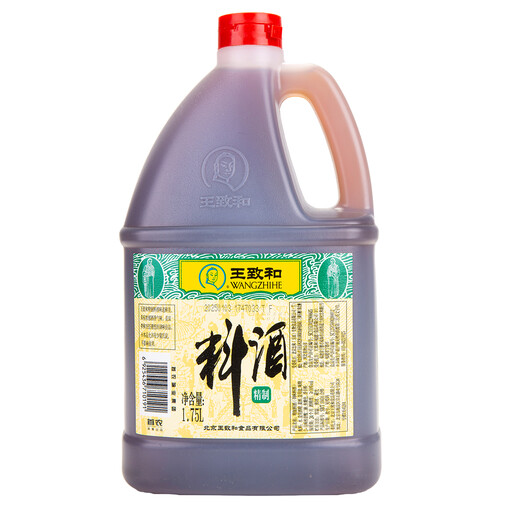
Why This Fits Their Persona: Ideal for home cooks who regularly prepare Chinese food and need a reliable, versatile cooking wine. The large bottle offers great value for frequent use in marinades, stir-fries, and braises.
This product is clearly designed and salted as a cooking wine (Liaojiu). There is no risk of confusing it with a drinking wine. Its composition is tailored for the core functions of odour removal and flavour enhancement.
Generous 1.75-litre bulk bottle; a product from an established, traditional Chinese brand (Wang Zhi He) known for consistent quality.
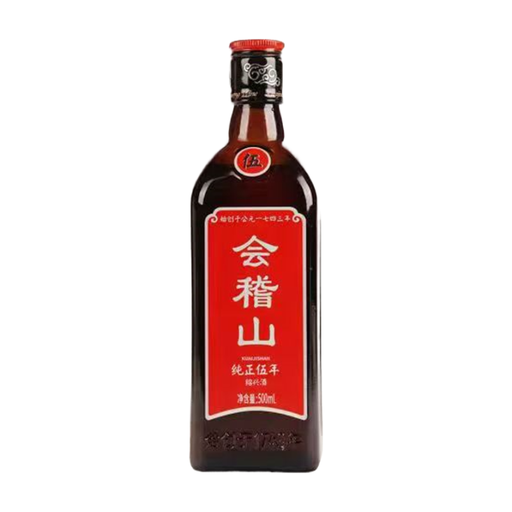
Why This Fits Their Persona: For cooks seeking the nuanced, deep flavour of a traditionally brewed and aged Shaoxing wine. Perfect for dishes where the wine is a central flavour component, such as "Drunken Chicken."
This product is a high-quality, aged Huadiao wine, refuting the assumption that all cooking wines are simple, salted products. It demonstrates the aromatic depth that an authentic Chinese rice wine can achieve.
Five-year aged base wine for a rich aroma; classified as a premium product according to Chinese National Standard GB/T17946; authentic ingredients like water from Jianhu Lake.
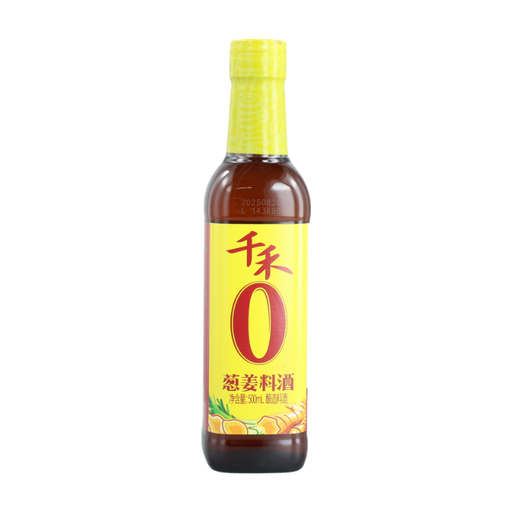
Why This Fits Their Persona: Perfect for those who value efficiency and a clean ingredient list. The included flavours of scallion and ginger simplify the preparation of quick stir-fries and marinades without compromising on naturalness.
This product offers a transparent solution without artificial additives, directly addressing the "hidden ingredients" pitfall. The Qian He brand is known for its "Zero Additive" philosophy.
Contains no artificial colours, flavours, or preservatives; combines cooking wine with the essential aromas of scallion and ginger for added convenience.
We've compiled a complete, up-to-date list of products that meet these strict selection criteria.
In short: Shaoxing wine is a specific, often high-quality rice wine from the Shaoxing region that can be used for both drinking and cooking. Liaojiu is the generic term for any Chinese cooking wine, which is typically salted and not intended for drinking. Many Liaojiu products use Shaoxing wine or another Huangjiu as their base.
A substitution is possible, but it will lead to a different flavour outcome. Cooking sake (Ryorishu) is the Japanese equivalent and is also salted, but it has a lighter, less earthy aroma than Chinese rice wine. Dry sherry is a common Western alternative but brings a distinctly fruitier note. For an authentic Chinese dish, using genuine Chinese rice wine for cooking is always the more precise choice.
Due to the added salt content, most cooking wines (Liaojiu) are relatively shelf-stable. It is recommended to seal the bottle tightly after opening and store it in a cool, dry, and dark place. Refrigeration is often not mandatory but can help preserve the freshness of the aroma for longer. When in doubt, always follow the storage instructions on the product label.