
Lieferung heute & morgen

Qualitätsgarantie

Willkommens-Angebote freischalten: KOSTENLOSE Lieferung | Bis zu 80 % RABATT | Kostenlose 30-Tage-JoyPlus-Testphase
App herunterladen
Chinese cooking wine is an essential ingredient in many Asian recipes. It is used to marinate meat and fish, and in wok dishes, casseroles, soups and stir-fries. The choice ranges from simple Chinese rice wine for cooking to matured Huangjiu and flavoured varieties with ginger and spring onions.
However, it is worth taking a close look at the label and intended use before buying. A higher price does not automatically mean that a product is suitable for the way you cook. Equally, attention-grabbing terms such as ‘Vintage’, ‘natural’ or ‘zero-add’ can conceal important differences in alcohol content, salt and additives.
Shaoxing and Huadiao wines may be sold both for cooking and for drinking. Shaoxing cooking wine often contains salt and is primarily intended as a seasoning ingredient. Pure Huangjiu or Shaoxing rice wine, on the other hand, may be labelled as an alcoholic drink.
For wok dishes or marinades, check the specific labelling carefully. Terms such as ‘Cooking Wine’, ‘Kochwein’ or ‘for culinary use’ make it easier to identify the product’s intended purpose. Drinking wine is not automatically unsuitable for cooking, but it may have a different flavour profile, a higher alcohol content and a higher price.
Cooking wine is not always neutral in flavour. Depending on the recipe, the product information may list salt, monosodium glutamate E621, disodium 5'-ribonucleotides E635 or caramel colour E150a or E150c.
This is relevant when seasoning: a cooking wine with a higher salt content may reduce the amount of soy sauce or additional salt required. If you prefer a short ingredient list, do not choose products labelled ‘Zero-Add’ based on the front of the packaging alone. Check the full ingredients list. Depending on the product description, ‘additive-free’ may mean different things.
A 500 ml cooking wine is practical for occasional cooking and takes up little space. If you regularly prepare Chinese dishes or marinate larger quantities, 1-litre or 1.75-litre bottles can reduce the number of repeat purchases. Once opened, the bottle should always be sealed tightly and stored according to the instructions on the packaging. Some products recommend refrigeration after opening.
The alcohol content affects both flavour and possible uses. For example, the available products range from 10 % vol for flavoured cooking wine to 15 % or more for certain Shaoxing and Huadiao wines. Heating changes the alcohol content, but cooking wine should not be treated as an alcohol-free seasoning.
A classic cooking wine is often sufficient for marinades and short cooking times. Matured Huangjiu or Huadiao varieties can have a more pronounced flavour and are particularly suitable when you want the wine to be more noticeable in the finished dish.
The base often consists of water, rice or glutinous rice, rice wine, alcohol, salt and spices. If the product contains wheat, this must be declared as an allergen. This applies to many Shaoxing and Huangjiu recipes. Anyone with gluten intolerance should check the packaging information for the specific product before using the cooking wine with meat, fish or vegetables.
The nutrition table is also useful for comparison. Declared salt levels vary considerably: some products list around 0.1 g of salt per 100 ml, while others contain significantly more. For salt-conscious cooking, this is more important than a general marketing claim about flavour.
A classic Chinese cooking wine works well in many recipes without adding extra herbal notes. Varieties with ginger, spring onions or mandarin peel can, however, be used to complement the flavours of fish, meat or game.
Cooking wine with ginger and spring onions is particularly convenient when you do not want to prepare these ingredients separately. However, it does not completely replace fresh ingredients in every recipe, as dried powders or extracts create a different flavour.
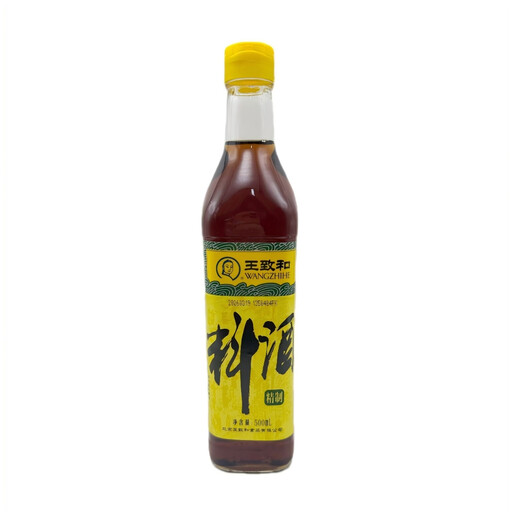
Why this product suits this profile: The 500 ml bottle is suitable for households that regularly prepare Chinese dishes, but not in large quantities. The recipe is based on rice wine, salt and spices.
The product name indicates that it is intended as a seasoning ingredient, distinguishing it from a pure drinking wine. The ingredients list clearly states rice wine, salt and spices.
500 ml contents; according to the product information, 50 kcal and 3.0 g of salt per 100 ml; intended for marinades, wok dishes and casseroles.
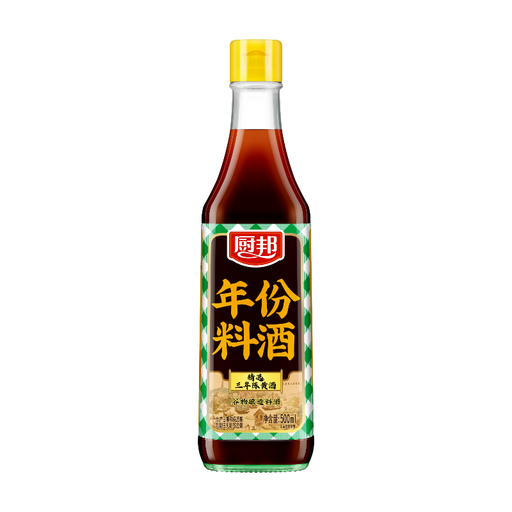
Why this product suits this profile: According to the product information, the recipe contains 87% rice wine along with spice and mandarin peel extracts. This gives it a more aromatic profile, suited to casseroles, soups and marinades.
The high declared rice wine content makes the composition more transparent than a name such as ‘Vintage’ alone. Wheat is listed as an allergen.
87% rice wine base; 500 ml contents; according to the nutritional information, 1.3 g of salt per 100 ml; recommended for meat, seafood, wok dishes and soups.
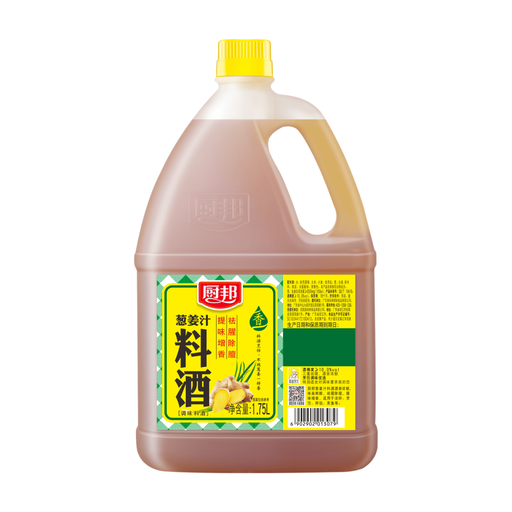
Why this product suits this profile: The large bottle is aimed at frequent users. Ginger and spring onions are each listed at 0.5% and are already blended into the seasoning sauce.
The additional flavours are clearly declared. This makes it easier to judge whether the cooking wine suits a recipe or could overpower the flavours of your own seasonings.
1.75 litres; 15% rice wine content; 0.5% ginger and 0.5% spring onions; suitable for marinating, frying and braising.
We have put together a complete, regularly updated list of products that fully meet these strict selection criteria and the safety regulations applicable in the EU.
For a marinade, 1 to 2 tablespoons per portion of meat, poultry or fish is often sufficient. Mix the product with the remaining ingredients and, depending on the recipe, use it for around 15 to 30 minutes. A shorter time is sufficient for delicate fish.
In a wok, Chinese cooking wine is usually added during cooking or shortly before the end. For casseroles and soups, it can be added earlier so that the flavour spreads evenly. As many cooking wines contain salt, add the soy sauce only after tasting and adjusting the seasoning.
Shaoxing wine is a well-known type of Huangjiu, or Chinese yellow wine. Shaoxing cooking wine is generally formulated for use in cooking and may contain salt or other seasoning ingredients. Huangjiu, on the other hand, may also be sold as a drinking wine. The key factors are the product labelling, ingredients list and alcohol content.
This depends on the instructions on the individual product’s packaging. Some products should be stored in a cool, dry place and sealed tightly, while others recommend refrigeration after opening. To preserve flavour and shelf life, it is sensible to protect the bottle from light and heat and use it promptly.
Yes, cooking wine is often used in marinades for meat, poultry, fish and seafood. The exact quantity depends on the recipe, amount of food and salt content. Products with ginger and spring onions already provide additional seasoning notes, while these ingredients can be added separately when using a more neutral recipe.