
Lieferung heute & morgen

Qualitätsgarantie

Willkommens-Angebote freischalten: KOSTENLOSE Lieferung | Bis zu 80 % RABATT | Kostenlose 30-Tage-JoyPlus-Testphase
App herunterladen
Chinese cooking wine is a key seasoning ingredient in many Asian recipes. It is used for marinades, stir-fries, soups, fillings, and for braising meat and fish. Yet choosing the right one isn't always straightforward: terms like Shaoxing cooking wine, Huangjiu, Huadiao cooking wine and Chinese rice wine for cooking are sometimes used interchangeably, even though their ingredients, alcohol content and salt levels can differ.
Not every Chinese rice wine is automatically a cooking wine. A Shaoxing or Huadiao wine may also be sold as an alcoholic beverage. Such products are often less heavily salted and are used differently from a classic cooking wine for marinades.
If you're looking for a bottle exclusively for cooking, look out for labels such as "Cooking Wine", "Kochwein" or "for cooking only". For products with a higher alcohol content, the labelling on the bottle is also crucial.
Marketing terms like "traditional", "rich aroma" or "authentic flavour" are no substitute for checking the ingredients list. Depending on the product, it may contain water, rice wine, alcohol, salt, spices, ginger, spring onion, colourings or flavour enhancers.
If you prefer a simple recipe, compare the ingredients directly. If you have allergies or intolerances, pay particular attention to wheat or gluten and sulphites.
Many Chinese cooking wines contain salt. If you also use soy sauce, oyster sauce or a Chinese seasoning sauce, the dish can quickly become more strongly seasoned than intended. The nutritional information shows how much products vary: some offerings list around 0.5 g to over 8 g of salt per 100 ml.
For this reason, it's advisable to use Chinese cooking wine sparingly at first and adjust the seasoning at the end.
The base can consist of rice wine, Huangjiu, or a blend of rice wine and additional alcohol. For a classic aroma, look for products with a clearly stated rice wine or yellow wine base. A high rice wine content can provide a more pronounced wine and grain note in braised dishes and marinades.
The term Huangjiu refers to a traditional Chinese yellow wine. Huadiao is a well-known style within this wine tradition. However, neither term automatically indicates that the product is intended solely as a cooking wine.
The alcohol content influences how it is used. Cooking wines with, for example, 10% ABV are typically added in small amounts to marinades, stir-fries or braised dishes. Drinkable Shaoxing or Huadiao wines can have a significantly higher alcohol content and should be labelled accordingly.
When cooking, the alcohol is not necessarily completely removed. For children, pregnant women, people with alcohol intolerance or specific dietary requirements, the product information should therefore be checked carefully.
A classic Chinese rice wine for cooking is versatile and works well with beef, pork, poultry, fish and seafood. Varieties with ginger and spring onion already bring extra flavours and can be handy for fish, lamb or poultry. However, they are less neutral if a recipe calls for a distinct seasoning profile.
Bottle size also matters: 500 ml bottles are suitable for occasional cooking. Households with regular use or catering businesses may benefit from 1 to 1.9 litre containers, provided consumption and storage are appropriate.
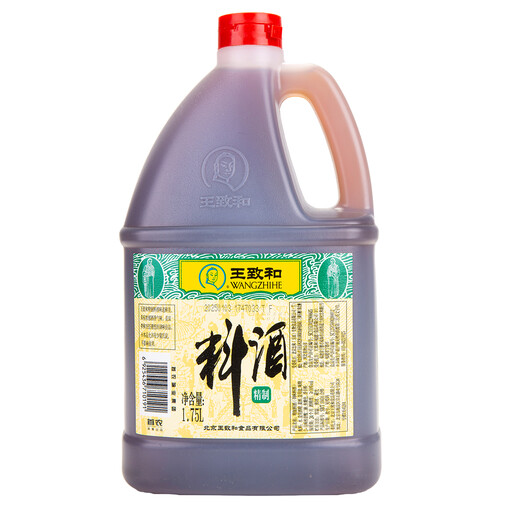
Why this product fits the profile: The large container is designed for regular cooking and is suitable for marinades, stir-fries, meat and seafood.
The product details clearly list the ingredients, nutritional values, storage instructions and intended cooking purpose. This allows you to check the recipe before buying.
1.75 litre content; suitable for meat, poultry, fish and seafood; contains rice and glutinous rice as a base.
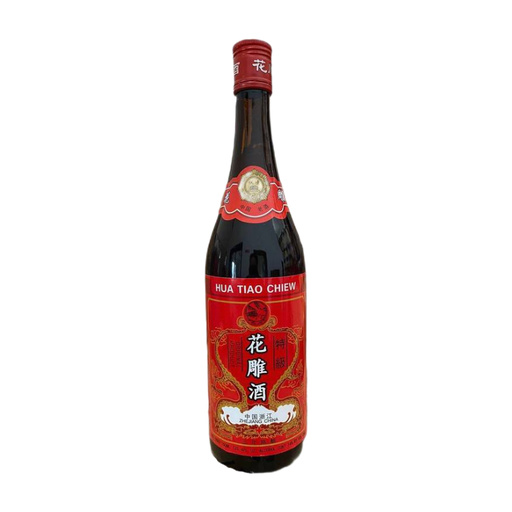
Why this product fits the profile: This bottle is aimed at buyers looking for a traditional Shaoxing or Huadiao style who may also want to use the wine outside of cooking.
The details indicate an alcohol content of at least 15% ABV and suitability both as a drink and for cooking. This prevents confusion with heavily salted cooking wine.
Base of glutinous rice, wheat and water; labelled as a drink and for enhancing food; 750 ml bottle.
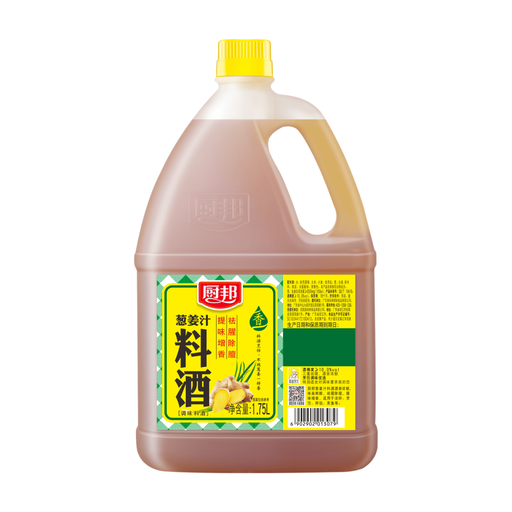
Why this product fits the profile: For large households, regular stir-fries and fish marinades, this recipe combines cooking wine with ginger and spring onion.
The quantities of rice wine, ginger and spring onion are stated in the product description. This makes the additional flavouring clear before purchase.
1.75 litre content; 15% rice wine; 0.5% each of ginger and spring onion; suitable for marinating, frying and braising.
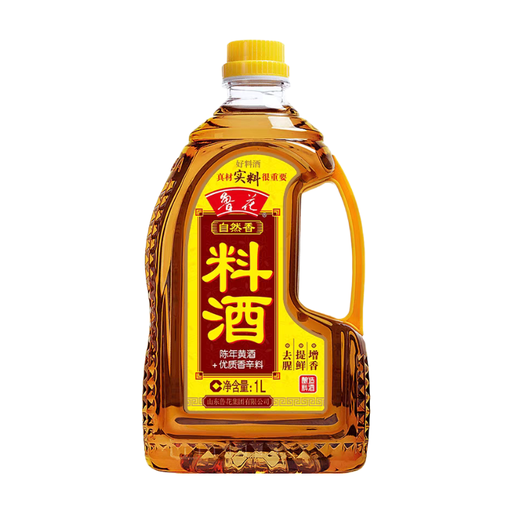
Why this product fits the profile: One litre offers a middle ground between a small trial bottle and a large catering container.
The product description explicitly mentions rice wine, spices and wheat. This allows buyers to check for grain allergens before ordering.
1 litre content; aged rice wine as a base; suitable for marinades, braised dishes, pan-fried dishes and fillings.
We have compiled a complete, regularly updated list of products that fully meet these strict selection criteria and the safety regulations in force in the EU.
For a simple marinade, one to two tablespoons per portion of meat, poultry or fish is often enough. For stir-fries, the rice wine is often added during frying or shortly before the end. In soups and braised dishes, a smaller amount is usually sufficient, as the flavour spreads through the liquid.
With salted varieties, avoid adding extra salt initially. After opening, store the bottle in a cool, dry place away from light, following the product instructions. Some products recommend refrigeration after opening.
Huangjiu is a Chinese yellow wine made from grain, usually rice and sometimes wheat. Shaoxing wine refers to a well-known regional wine tradition. A Shaoxing cooking wine may be salted and flavoured as a cooking ingredient, while a Shaoxing or Huadiao wine may also be sold as a drink. The specific ingredients list and labelling are therefore decisive.
In many recipes, Chinese cooking wine can be used as a rice wine for flavouring. Because of the different salt and alcohol content, the amount should be adjusted. With heavily salted products, be careful when adding extra soy sauce.
The shelf life depends on the label and storage instructions of the specific product. For quality, it is advisable to seal the bottle tightly after use and, if stated, store it in the fridge. If the smell, taste or appearance changes, the product should not be used further.