
Lieferung heute & morgen

Qualitätsgarantie

Willkommens-Angebote freischalten: KOSTENLOSE Lieferung | Bis zu 80 % RABATT | Kostenlose 30-Tage-JoyPlus-Testphase
App herunterladen
Red date snacks, also known as jujube snacks or Chinese red dates, are quite different from the traditional dates of the Middle East. Depending on how they’re made, they may be soft and chewy, crunchy, freeze-dried, coated in chocolate or available as a drink powder. However, if you order without checking the ingredients or nutritional information, you could easily end up with an option that doesn’t suit your taste or how you plan to use it.
Dried fruit contains concentrated carbohydrates because the water has been removed. Candied jujube, fruit strips and chocolate varieties often contain added sugar too. That’s why it’s more important to check the nutritional information per 100 g than to rely on the front of the packaging.
Examples from our selection:
These products may work well as a sweet snack or an Asian confectionery treat. However, based on the product information, it wouldn’t be appropriate to describe them all as “healthy”.
“Dried red dates” can be soft, sticky and chewy. Freeze-dried or crisp-processed jujube, on the other hand, has a brittle texture. Fruit strips and jujube slices fall somewhere between the two and are usually soft to chewy.
If you’re looking for a snack to take with you, check whether it comes in individually wrapped portions or a resealable bag. A large pack is often practical for families or regular snackers, but once opened it may lose its flavour and crunch more quickly.
Even products that have been mechanically pitted may occasionally contain fragments of pits, according to the label. Jujube with sesame, chocolate or almonds can contain other allergens too. Always check the information on the current packaging before buying and eating the product.
Important points to check:
The term “red dates” can refer to whole fruit or products made from a mixture of ingredients. According to the label, 7,5% of Haoxiangni Wild Tart Flavour Jujube Slices comes from red jujube; apples make up the largest proportion of the ingredients. This makes it more of a sweet-and-sour fruit snack than a pure jujube product.
For products made entirely or mostly from jujube, it’s worth comparing the percentage of fruit. According to the product information, Bestore Crispy Winter Jujube 208 g contains more than 60 % winter jujube and palm oil. The Be&Cheery version lists at least 80 % winter jujube.
Comparing products per 100 grams helps you avoid misleading comparisons between different pack sizes. Pay particular attention to:
A small 35-g pack may be just right for one serving. For families or regular snacking, 200 to 280 g packs offer better value, provided you seal them well after opening.
Use these categories as a guide when choosing:
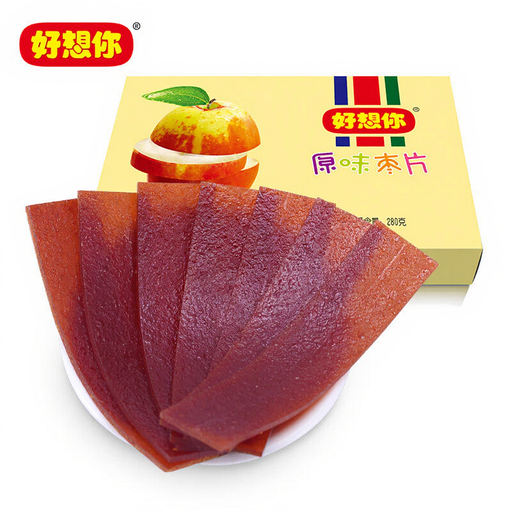
Why it suits this profile: The 280-g pack is a good way to try soft jujube slices and provides several portions to enjoy at home.
The ingredients and nutritional information make it clear that the product contains apples, sugar and maltose syrup.
Soft texture, ready to eat and, at 280 g, a handy option to keep in the cupboard.
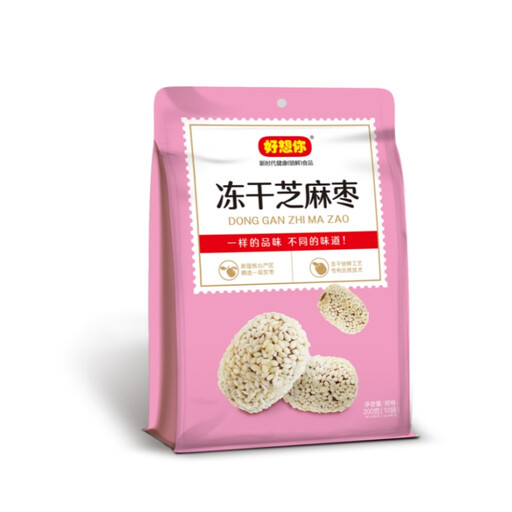
Why it suits this profile: The combination of jujube, sesame and white sugar is a good choice if you’re looking for a clearly defined ingredients list and a crunchy texture.
Freeze-drying is clearly stated as a product feature; sesame should also be noted as an allergen.
A 200-g pack, crunchy texture and ready to eat with no preparation needed.
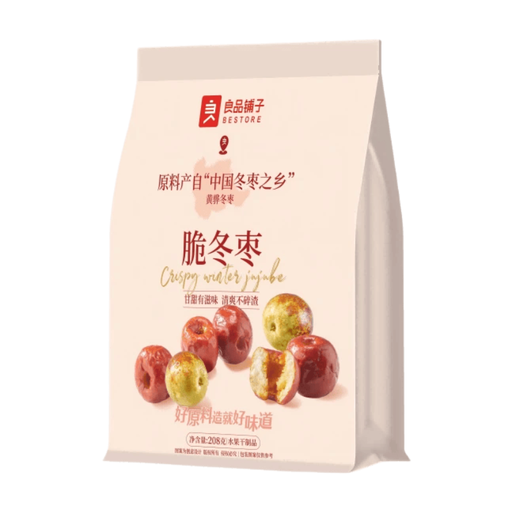
Why it suits this profile: The larger pack is suited to households that regularly share crunchy snacks or divide them into portions for storage.
The stated jujube content of more than 60 %, as well as the palm oil and nutritional information, can all be checked before you buy.
208 g pack, crunchy texture and no allergens listed.
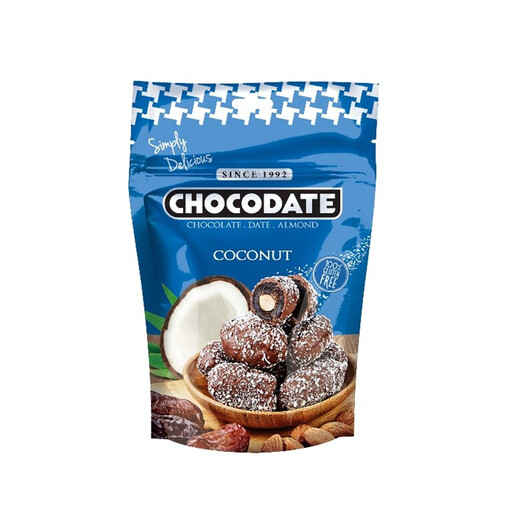
Why it suits this profile: With chocolate, almonds and coconut flavour, this small pack is ideal as a sweet treat or a gift to take along.
The product information clearly lists milk, soya and almonds, as well as possible traces of peanuts.
90-g portion, milk chocolate with at least 40 % cocoa solids and an almond filling.
We’ve put together a complete, regularly updated list of products that fully meet these strict selection criteria and the safety regulations in force in the EU.
No. Chinese red dates are usually known as jujube or Ziziphus jujuba. They differ in taste, size and texture from familiar varieties of date, such as those from Tunisia or Saudi Arabia. In shops, both fruits are sometimes simply described as “red dates”.
Store unopened products in a cool, dry place away from direct sunlight, following the instructions on the packaging. Once opened, it’s best to transfer them to a tightly sealed container. Crunchy varieties should also be kept away from moisture to help preserve their texture.
It depends on the ingredients, texture and child’s age. Hard or crunchy pieces may be more difficult to eat than soft jujube slices. If a product may contain pit fragments, sesame, nuts or chocolate, parents should check the label and supervise children while they eat.