
Lieferung heute & morgen

Qualitätsgarantie

Willkommens-Angebote freischalten: KOSTENLOSE Lieferung | Bis zu 80 % RABATT | Kostenlose 30-Tage-JoyPlus-Testphase
App herunterladen
Chinese dried goods are the foundation of many authentic dishes, lending an unparalleled depth of flavor and texture to meals. However, for home cooks in the UK, shopping for them can be a challenge. Vague labels, inconsistent quality, and a lack of preparation instructions often lead to disappointment in the kitchen. As your Joybuy Product Recommendation Officer, I'm here to help you navigate the common pitfalls and find the right ingredients for your culinary adventures.
To ensure you get high-quality products suited to your needs, you should check three key criteria. These will help you separate the wheat from the chaff when shopping at an online Asian grocery store.
A transparent declaration is a clear sign of quality. Look for terms like "sun-dried" or notes indicating drying without sulfur treatment ("no sulfur fumigation"). Products with a Protected Geographical Indication (PGI), such as tangerine peels from the Xinhui region, offer an extra layer of assurance for authentic taste and high quality. A clear origin statement, like "Goji berries from Ningxia," also points to a carefully selected product.
Not all mushrooms are created equal. When you're buying dried mushrooms, the exact variety is crucial. For example, a "cloud ear" fungus is finer and more delicate than a standard "wood ear" fungus, making it better suited for salads and quick stir-fries. Pay attention to precise product names and descriptions that provide insight into texture and use.
Good products are accompanied by clear instructions. Check if the packaging or product description provides information on the required soaking time in cold or warm water, whether cooking is necessary, and if any parts need to be removed (like the hard stems of mushrooms). This is especially important for ingredients you're using for the first time, such as for an authentic hot pot.
Based on the criteria above, we've curated a selection of products suitable for different types of cooks.
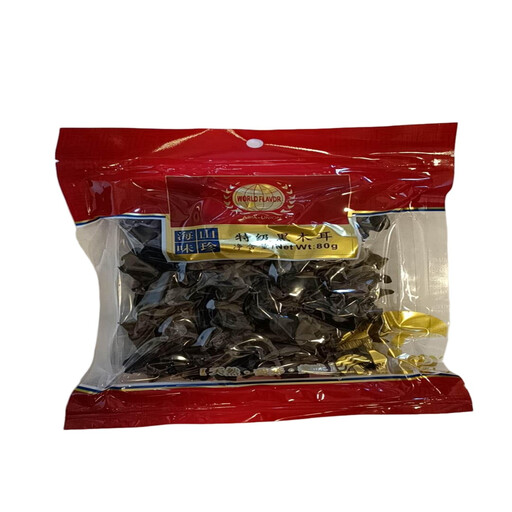
Why This Fits Their Persona: This wood ear mushroom is a staple ingredient in countless Chinese dishes. Its ability to absorb flavors and its pleasant, crunchy texture make it a versatile and straightforward choice for stir-fries, soups, and salads.
The product provides clear preparation instructions: soak in warm water for 20–30 minutes and remove the hard stems. This prevents the common preparation hurdle.
Versatile and naturally low in fat. The ingredients list consists solely of dried wood ear mushrooms.
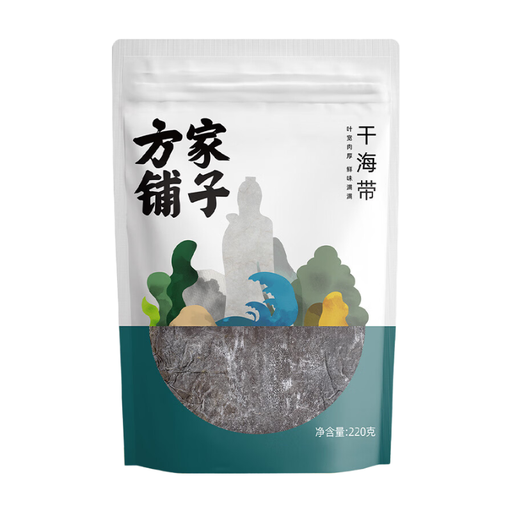
Why This Fits Their Persona: Dried kelp is a classic ingredient for creating an umami-rich broth, which serves as the base for many Asian soups, stews, and especially hot pot. It imparts a deep, savory flavor to dishes.
The FANGJIA PUZI brand positions itself as a heritage company that prioritizes quality. This addresses uncertainty regarding origin and processing. The instructions are simple and clear: rinse, soak, cook.
A natural source of minerals like iodine and provides a distinct umami flavor. At 1.4g of fat per 100g, it's a low-fat ingredient.
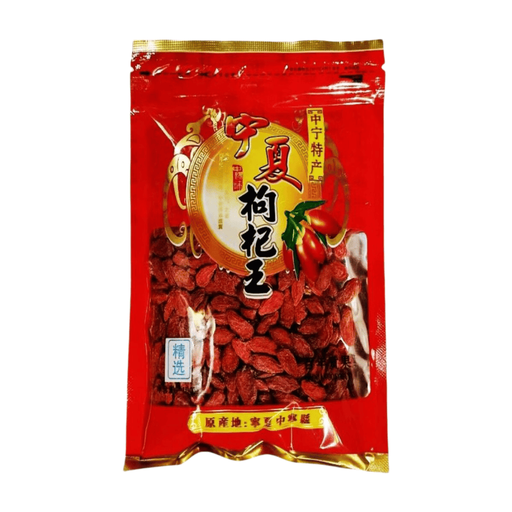
Why This Fits Their Persona: Goji berries are renowned for their nutritional content and can be used in many ways: as a snack, in tea, in muesli, or in soups. They offer a natural sweetness with no added sugar.
The product description explicitly states that the berries are "naturally sun-dried, without sulfur fumigation." This directly addresses concerns about processing quality.
Sourced from the renowned Ningxia growing region and are ready to eat. The ingredients list contains only Goji berries.
Explore our full range of authentic dried goods, carefully selected based on objective quality criteria for your kitchen.
Most dried products should be stored in a cool, dry, and dark place. Once opened, an airtight container is ideal to protect them from moisture and pests, and to preserve their aroma. Some products, like Goji berries, can be kept in the refrigerator to maintain their freshness for longer.
Soaking serves two purposes. First, it rehydrates the mushrooms, allowing them to regain their original, fleshy texture. Without this step, they would remain hard and tough. Second, soaking and then rinsing helps to remove any impurities or sand that may have clung to them during the drying process.
No, they are different fruits. Chinese dates (jujubes), known as "Zao" (枣) in Chinese, are the fruit of the Ziziphus jujuba tree. They have a firmer, slightly spongy texture and a milder, apple-like flavor. Western dates (e.g., Medjool) are the fruit of the date palm, are softer, stickier, and have an intense, caramel-like flavor. In Chinese cuisine, jujubes are often used in soups, teas, and braised dishes.