
Lieferung heute & morgen

Qualitätsgarantie

Willkommens-Angebote freischalten: KOSTENLOSE Lieferung | Bis zu 80 % RABATT | Kostenlose 30-Tage-JoyPlus-Testphase
App herunterladen
Dried Chinese mushrooms are a foundational ingredient, lending signature depth and texture to Asian cuisine. For home cooks, however, selecting the right variety can be a challenge. The wide array of names, shapes, and preparation methods can be overwhelming, and it's not always clear which mushroom is best suited for a specific dish.
This guide serves as your practical reference. As a Joybuy Product Recommendation Officer, my role is to sift through market information and provide you with objective, useful advice. The goal is to simplify your selection process, helping you find authentic Chinese cooking ingredients for your recipes.
Choosing the right mushroom depends on several factors. The following three points will help you make an informed decision.
Each mushroom variety has a unique flavour and texture profile that makes it ideal for certain dishes.
The quality of dried mushrooms can be assessed by a few visual cues. Look for whole, intact mushrooms rather than broken pieces. The colour should be uniform and true to the variety. Proper drying ensures a long shelf life and intense flavour upon rehydration. Transparent packaging with clear information about ingredients, origin, and expiration date is also a sign of a high-quality, carefully processed product.
All dried mushrooms must be soaked in water before use. This process, called rehydration, not only restores their original size and texture but also activates their flavours. Most varieties, like mu-er mushrooms, need about 20–30 minutes in warm water. Firmer mushrooms, such as tea tree mushrooms, may benefit from a longer soak of several hours or overnight in cold water. The soaking liquid, especially from aromatic mushrooms, can be filtered and reused as a flavourful base for broths or sauces.
Based on the criteria above, we have curated a selection of mushrooms suitable for various applications in Chinese and Asian cooking.
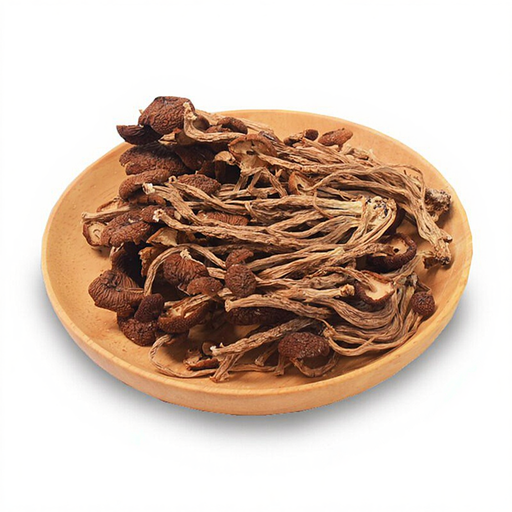
Why It Stands Out According to the manufacturer, these tea tree mushrooms (also known as Cha Shu Gu) are carefully selected and naturally sun-dried to preserve their original aroma. Their characteristic long shape and robust flavour make them a distinctive ingredient.
Pros
Who It's For For cooks who want to prepare authentic Chinese soups with a robust mushroom flavour. If you're looking to buy tea tree mushrooms specifically to add a powerful umami component to your dishes, this is an excellent choice.
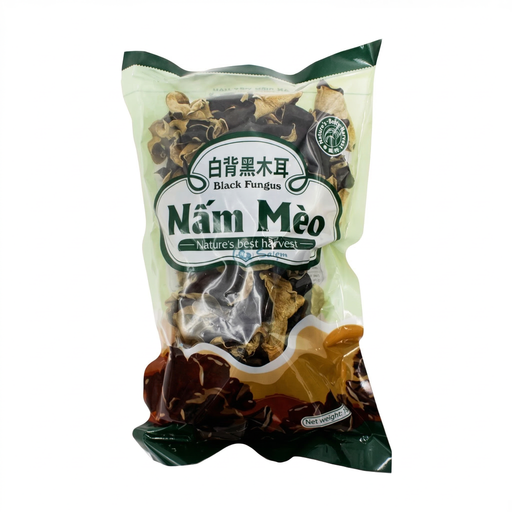
Why It Stands Out This black fungus is a classic dried mu-er mushroom. It is distinguished by its ability to develop a firm yet elastic texture after soaking. Its crinkled shape is excellent for absorbing sauces and seasonings.
Pros
Who It's For Ideal for fans of stir-fries and cold appetisers who appreciate an interesting textural component. This product is a great choice for anyone looking for a staple ingredient for a wide variety of classic Asian recipes.
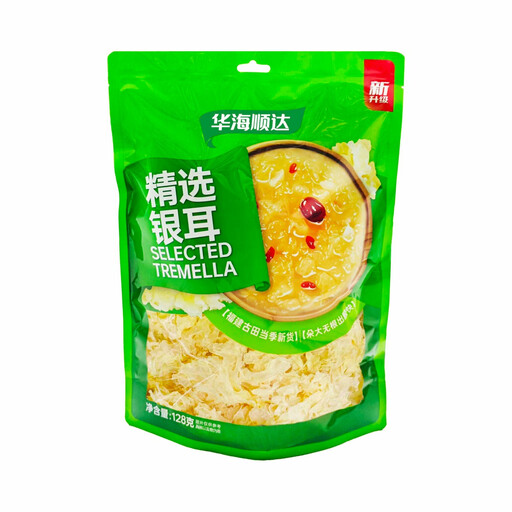
Why It Stands Out This tremella mushroom, also known as silver ear mushroom, is prized for its delicate, gelatinous texture after cooking. The mushrooms in this selection are large and retain their beautiful shape even after preparation.
Pros
Who It's For For anyone interested in preparing traditional Chinese sweet desserts (tong sui) or cooking nourishing, delicate soups. It's also great for adventurous cooks looking to incorporate new textures into their dishes.
The world of Asian edible mushrooms is vast and offers many more exciting varieties to discover. If you are looking for other ingredients or more specific types of mushrooms, it's worth exploring our wider assortment.
? Discover our full selection of dried Chinese herbs and specialities here.
1. How long do dried Chinese mushrooms need to be soaked? The soaking time varies by variety. Thin mushrooms like mu-er are often ready after 20–30 minutes in warm water. Firmer varieties like tea tree or shiitake mushrooms may require several hours in cold water or a shorter time in hot water. It's always best to read the instructions on the package.
2. What is the difference between wood ear and mu-er mushroom? There is no difference. Mu-er mushroom (木耳, literally "wood ear") is the Chinese name for the fungus. In English, it is commonly known as wood ear mushroom or black fungus. All names refer to the same type of mushroom.
3. Do dried mushrooms always need to be cooked? Yes. Dried mushrooms should always be rehydrated and then thoroughly heated (boiled, fried, or steamed) before consumption. This is necessary to ensure they are safe to eat and to develop their desired texture and full flavour.