
Lieferung heute & morgen

Qualitätsgarantie

Willkommens-Angebote freischalten: KOSTENLOSE Lieferung | Bis zu 80 % RABATT | Kostenlose 30-Tage-JoyPlus-Testphase
App herunterladen
Chinese glutinous rice balls, also known as Tangyuan, are a classic Chinese dessert with a soft, chewy outer layer and usually a sweet filling. They’re often served during the Lantern Festival, at family gatherings or as a warm Asian snack. Before buying, it’s worth taking a closer look at the product type, ingredients and storage requirements.
Not every Chinese sesame ball is a classic Tangyuan. Frozen Tangyuan are usually boiled in water and have a soft, smooth outer layer. Sesame balls filled with red bean paste or peanuts, on the other hand, are often coated in sesame seeds and fried or cooked in an air fryer.
If you’re looking for an easy option to cook in a pan, check for instructions such as “boil”, “frozen” and “cook until they float”.
Glutinous rice balls with black sesame filling may contain oil, thickening agents or flavourings, as well as glutinous rice flour, sugar and sesame. Peanut-filled varieties often contain soybeans or wheat starch too. That’s why the ingredients list matters more than the product image.
If you have allergies, always check the information on the product packaging. Allergens found in the products featured here include sesame, peanuts, soybeans, wheat and walnuts.
Many Chinese glutinous rice balls are frozen and must be stored at –18 °C or below. Depending on the product, they must not be refrozen once thawed. So it’s only worth buying them if you have enough room in your freezer and can keep the journey home as short as possible.
The filling determines the flavour, sweetness and allergens:
When choosing, it’s also important to distinguish between classic Tangyuan, which are boiled, and sesame balls intended for frying or baking.
Classic frozen Tangyuan are usually added to boiling water without thawing first. One product in the range gives a cooking time of 5 to 7 minutes, followed by a further 1 to 2 minutes once the balls float to the surface. Always follow the instructions on the individual pack.
Coated varieties, such as sesame balls with red bean paste, may instead be intended for a deep fat fryer, oven or air fryer. Before buying, check that the preparation method suits the kitchen appliances you have.
Available pack sizes range from small individual portions to sets for several people. For a first try, 180 g or 200 g packs are manageable sizes. For family gatherings, 400 g packs or mixed sets may be more practical.
Nutritional information is usually given per 100 g. This makes it easier to compare energy, fat, carbohydrates, sugar and salt. You should also check claims such as “sugar-free”: in some snacks, for example, sugar is replaced with maltitol. That doesn’t automatically make the product suitable for every diet.
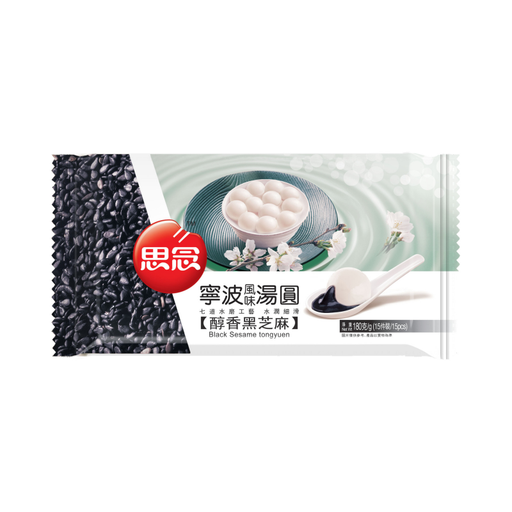
Why this product suits this shopper: The 180 g pack is a manageable introduction to classic Tangyuan with black sesame filling, cooked in a pan.
The product details specify that the balls should be boiled, stored frozen at –18 °C or below, and contain sesame, an allergen.
180 g pack; black sesame paste; 1120 kJ per 100 g according to the product information.
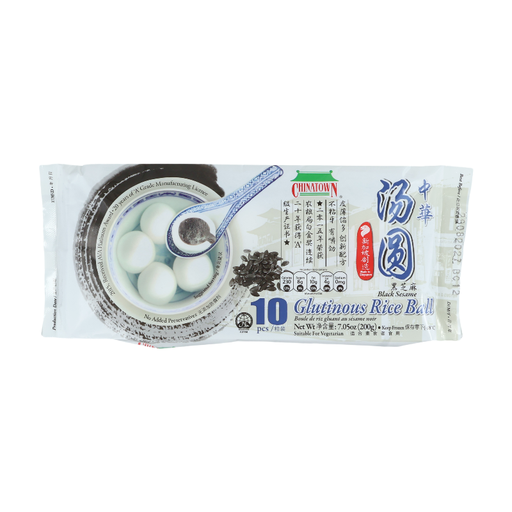
Why this product suits this shopper: The ingredients and nutritional information are clearly listed. The product is described as a frozen, uncooked item with black sesame filling.
The instructions make clear that the balls must be cooked thoroughly and should not be refrozen after thawing.
200 g pack; ingredients include glutinous rice flour, black sesame and sugar; sesame is listed as an allergen.
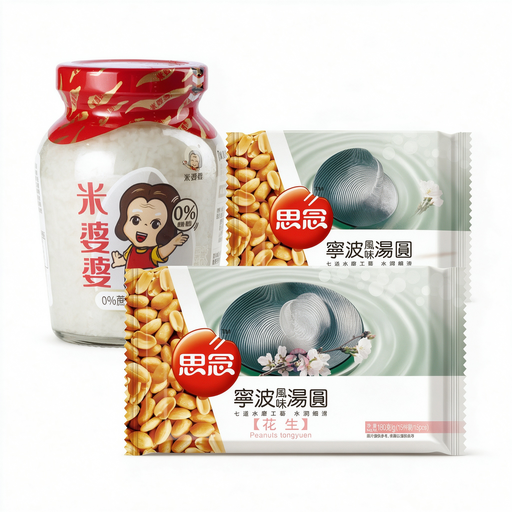
Why this product suits this shopper: This set pairs sweet fermented rice wine with two packs of peanut Tangyuan, making it ideal for sharing a dessert or serving on festive occasions.
The different storage requirements for rice wine and frozen food are specified. Peanuts and soybeans are also listed as allergens.
A combination of rice wine and 2 × 180 g peanut Tangyuan; cooking instructions say to cook until they float.
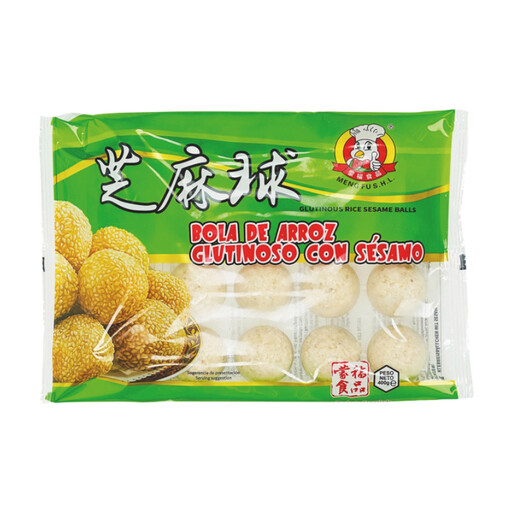
Why this product suits this shopper: The 400 g pack is designed for several portions and combines a sesame coating with sweet red bean paste.
This isn’t classed as a classic boiled Tangyuan: the pack instructions recommend frying or baking. Sesame and wheat are also clearly listed as allergens.
400 g pack; red bean paste makes up 9% according to the ingredients list; store frozen at –18 °C.
We’ve put together a complete, regularly updated list of products that meet these strict selection criteria and fully comply with the safety regulations in force in the EU.
To cook Tangyuan, use a large enough pan of water and carefully add the balls while still frozen. Once they float to the surface, follow the cooking time stated on the packaging. Serve them with a clear sugar syrup, ginger water or sweet fermented rice wine.
Fried and baked varieties should be prepared according to the instructions. Take particular care when opening and serving products with sesame or peanut filling, as the filling can be very hot.
Frozen Tangyuan are usually added straight to boiling water without thawing. They’re ready when they float to the surface and are cooked through according to the instructions on the packaging.
Shelf life depends on the product. Frozen Tangyuan must be kept at –18 °C or below at all times. The specific best-before date is printed on the packaging. Once thawed, they should not be refrozen unless the packaging specifically says otherwise.
When boiling them, the main costs are water and the energy needed to heat it. The exact cooking time depends on the pan, hob and quantity. Frozen sets also need to be stored continuously at –18 °C.