
Lieferung heute & morgen

Qualitätsgarantie

Willkommens-Angebote freischalten: KOSTENLOSE Lieferung | Bis zu 80 % RABATT | Kostenlose 30-Tage-JoyPlus-Testphase
App herunterladen
Chinese herbal tea is often sold as Asian tea, flower tea or fruit tea. The choice ranges from individually wrapped herbal blends to ready-to-drink chrysanthemum beverages. For UK shoppers, taste and packaging design are not the only things that matter. A clear ingredients list, serving size and preparation method that suits your daily routine are all important.
Terms such as ‘traditional Chinese tea blend’, ‘Cooling Tea’ or ‘Wellness Tea’ do not automatically indicate a medical effect. They may refer to a recipe, cultural use or flavour. Chinese herbal tea should not be seen as a substitute for treatment or as a remedy.
Instead, check:
Blends made with chrysanthemum, goji berries, fruit or herbs often contain no traditional tea leaves. However, if a product contains pu-erh, green or black tea, it may contain caffeine. If you’re specifically looking for caffeine-free tea, check the ingredients list rather than relying on the product name alone.
Loose blends can be measured out to suit each cup, but you’ll need a spoon, a strainer and a suitable place to store them. Tea in individual portions is usually easier to take to the office, on a trip or to work. Even so, check how many bags or sachets are included: the net weight alone doesn’t tell you how many cups you can make.
The ingredients determine the aroma and character of a blend. Goji berry tea with chrysanthemum tastes different from Chinese fruit tea with passion fruit, apple or hibiscus. Floral blends such as rose and jasmine tea are aromatic and fragrant, while blends with corn silk, buckwheat or tangerine peel can have a more herbal, earthy flavour.
Also check for added rock sugar or granulated sugar. Nutritional information is usually given per 100 g, not necessarily per cup. Serving size is particularly important when comparing drinks with sugar or sweeteners.
Individual sachets protect the blend from moisture and make it easy to measure out. Compact packs are handy when you’re out and about, while a larger pack may be more economical if you drink it regularly at home. Once opened, store products in a cool, dry place and seal them well, following the instructions on the packaging.
For the blends featured here, the recommended water temperature is typically between 85 and 100 °C. Product instructions recommend a steeping time of 3 to 5 minutes. Depending on the blend, you may be able to infuse it again, although the flavour and strength may fade.
Whether you enjoy your tea hot or cold depends on the product. Fruit and floral blends are often suitable for a chilled infusion too. When preparing tea cold, take particular care to keep everything clean and store it promptly.
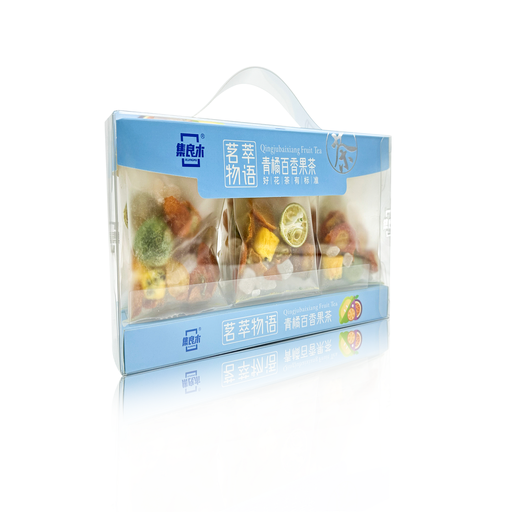
Why it suits this profile: The blend contains 10 individual portions with green tangerine, passion fruit and granulated sugar. It’s an easy way to try fruity Asian teas at home or in the office.
The ingredients list clearly names the fruit ingredients. The net weight and number of packs (10) are also stated, making it easy to compare portion sizes.
A fruity, sweet-and-tangy flavour; according to the product information, it can be prepared hot or cold and infused more than once.
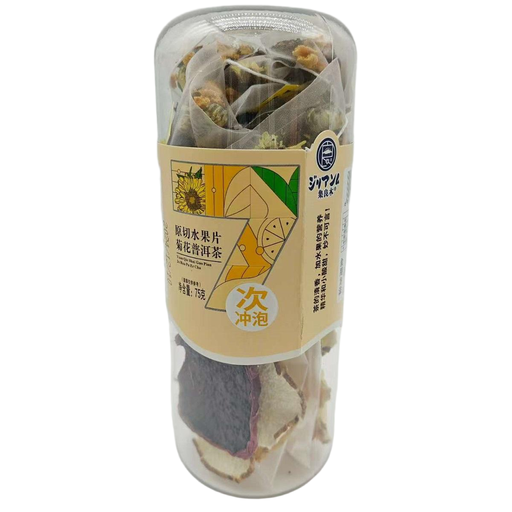
Why it suits this profile: The ingredients list includes sliced fruit, chrysanthemum, tangerine peel and pu-erh tea. It’s a good choice if you want to combine fruity flavours with tea.
The ingredients are clearly listed. As it contains pu-erh tea, you shouldn’t assume that this blend is caffeine-free.
75 g net weight, individual portions and, according to the product information, suitable for hot or cold infusions and multiple infusions.
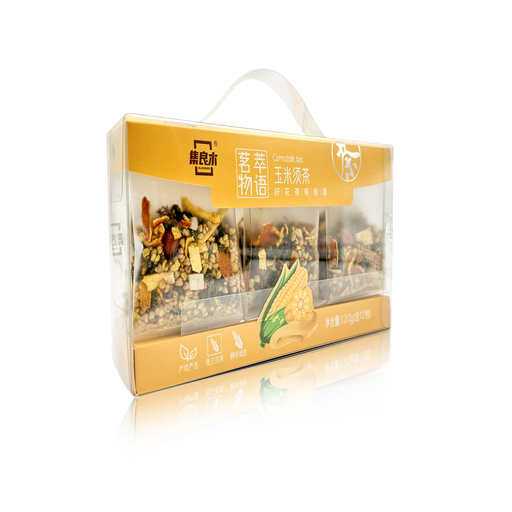
Why it suits this profile: According to the product description, this blend is caffeine-free and comes in 12 individual portions. It’s a good fit if you’re looking for a mild herbal blend for the office, home or when you’re out and about.
The caffeine-free claim is supported by a clearly specified list of herbal ingredients. The number of portions also helps you judge the pack size accurately.
12 sachets, prepared with water at 85–100 °C and, according to the product information, suitable for multiple infusions.
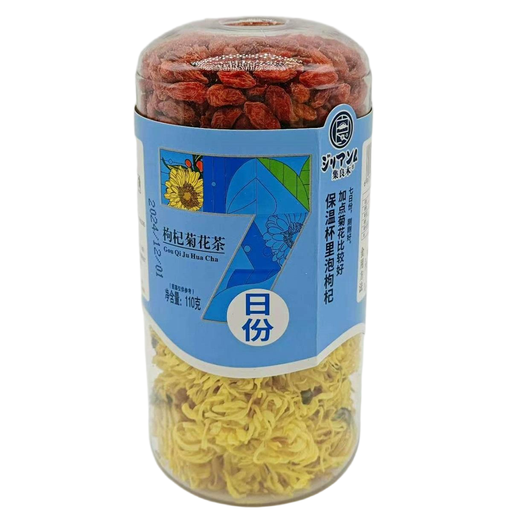
Why it suits this profile: Goji berries and chrysanthemum create a distinctive flavour profile. The individual portions make it easy to prepare without needing to measure out the blend yourself.
The product information lists the ingredients, net weight and recommended preparation temperature. This makes it easier to compare the blend fairly with other flower teas.
Goji berries and chrysanthemum; suitable for hot and cold preparation and multiple infusions.
We’ve put together a complete, regularly updated list of products that meet these strict selection criteria and the safety regulations in force in the EU.
No. Herbal, fruit and floral blends that don’t contain tea plants are often caffeine-free. However, if the ingredients list includes pu-erh, green or black tea, the blend may contain caffeine. Always check the specific product description.
Check the best-before date and storage instructions on the packaging. Once opened, store the blend in a cool, dry, airtight container and use it as soon as possible. Moisture can affect its aroma and quality.
Many blends are intended to be enjoyed hot or cold. Prepare them according to the manufacturer’s instructions. To keep things hygienic, don’t leave cold tea at room temperature for long, and store any leftovers in the fridge.