Finding authentic food products can be a challenge, especially when it comes to items like Chinese noodles. The variety of shapes, ingredients, and production methods is vast, and making the right choice is crucial for the success of a dish. This article serves as a practical guide to give you a clear overview of the different types of Asian noodles and help you select the right product for your kitchen. As a Joybuy Product Recommendation Officer, I have compiled information to help you make an informed decision when you're looking for Chinese groceries online.
What to Look for When Buying Chinese Noodles?
To find the right noodles for your culinary project, a few objective criteria can help guide your selection.
The Ingredient List: Wheat, Buckwheat, and More
The base of most traditional Chinese noodles is wheat flour, water, and salt. However, there are numerous variations that get their characteristic flavour and texture from the addition of other ingredients.
- Yam Noodles: By adding yam root powder, these noodles achieve a particularly smooth and supple consistency. They are a popular choice in Cantonese cuisine.
- Buckwheat Noodles: Also known as soba noodles, they contain a portion of buckwheat flour, which gives them a nutty, slightly earthy flavour and a firmer structure.
- Spinach Noodles: Here, spinach powder is mixed into the dough. This not only provides an appealing green colour but also adds a subtle flavour note.
Production Method: The Value of Handmade Noodles
A key differentiator is the production method. Handmade noodles are often crafted using traditional techniques that involve pulling, folding, or cutting the dough by hand. This process can result in a more irregular shape and a particularly firm, elastic texture that machine-made noodles often cannot achieve. Many handmade varieties are also sun-dried in the open air, which can also positively affect the consistency.
Intended Use: Noodles for Wok, Soup, or Salad
Not every noodle is suitable for every dish. The choice should be based on the planned application:
- Noodles for Wok Dishes: For stir-fries, firmer, elastic noodles that don't fall apart or become mushy during frying are ideal. Varieties with buckwheat or thicker-cut wheat noodles are a good option here.
- For Noodle Soups: Thinner, smooth noodles that absorb broth well without clouding it are the right choice. They should hold their shape and not swell up too quickly.
- Cold Noodle Dishes: Noodles that retain a pleasant texture even after cooling are in demand here. Varieties like soba or thin wheat noodles are well-suited for noodle salads.
Traditional Chinese Noodle Recommendations
Based on the criteria mentioned above, we have compiled a selection of noodle varieties that stand out for their ingredients and production methods.
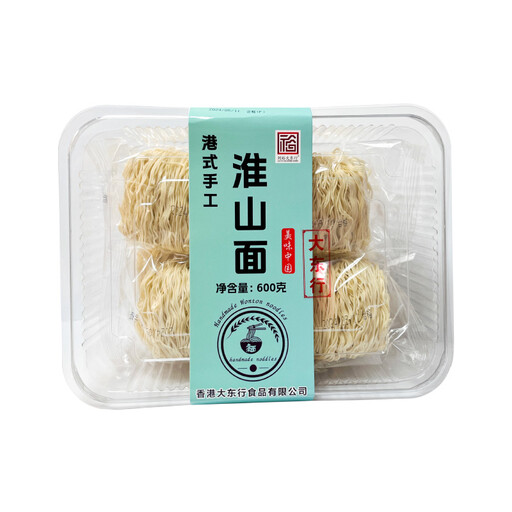
Liu Yu Da Dong Hang Hong Kong Style Handmade Chinese Yam Noodles 600g
Shop Liu Yu Da Dong Hang Yam Noodles Now
- Why they stand out: These Cantonese-style noodles are made using traditional craftsmanship and are enriched with 5% yam root powder. This ingredient is characteristic of certain regional cuisines in China.
- Benefits: The texture is remarkably smooth yet firm to the bite. They are versatile and suitable for noodle soups, cold noodle dishes, or wok preparations. The cooking time is only about 3–5 minutes.
- Who they're for: Individuals seeking an authentic, smooth noodle texture in the Cantonese style who appreciate the subtle note of yam root. Ideal for quick and versatile dishes.
Huiji Youniyimian Handmade Soba Noodles 800g

Shop Huiji Youniyimian Soba Noodles Now
- Why they stand out: These handmade noodles combine wheat flour with buckwheat flour and are traditionally sun-dried. This process is said to positively influence texture and flavour.
- Benefits: The noodles have a pleasant nutty, earthy taste and a firm, chewy consistency that holds up well in hot soups or when prepared in a wok. The 800g package offers excellent value.
- Who they're for: Lovers of buckwheat noodles and home cooks who prefer a noodle with a more robust flavour profile and a firm texture for soups and stir-fries.
HUI JI Youniyimian Handmade Noodles (Spinach Thin Sliced Noodles) 800g

Shop HUI JI Youniyimian Spinach Noodles Now
- Why they stand out: These spinach noodles are also artisanally made and knife-cut, which gives them a characteristic shape. Natural sun-drying is part of the production process.
- Benefits: The addition of spinach powder provides an appealing look and a balanced nutritional profile. The classic, knife-cut shape offers a firm and smooth texture that holds sauces very well.
- Who they're for: Anyone looking for a visually and tastefully interesting alternative to classic wheat noodles. Their shape makes them ideal for dishes with rich sauces.
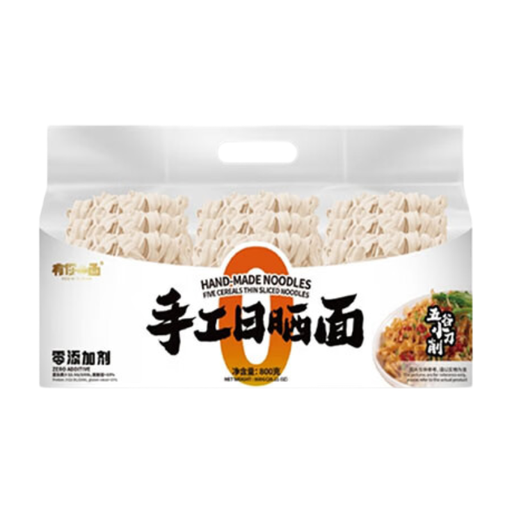
Huiji You Ni Yi Mian Handmade Noodles (Five Cereals Thin Sliced Noodles) 800g
Shop Huiji You Ni Yi Mian Five-Cereal Noodles Now
- Why they stand out: These noodles combine a blend of five different grains and plant extracts: wheat (58.95%), buckwheat flour (1.54%), and konjac flour (0.32%).
- Benefits: The mix of ingredients results in a complex texture and a wholesome flavour profile. With a cooking time of just 6–8 minutes, they are quick to prepare. The 800g bulk pack is convenient for families or for stocking the pantry.
- Who they're for: Health-conscious consumers and families looking for a nutritious noodle option for quick everyday meals who appreciate the flavour diversity of different grains.
Discover More Options
If these recommendations don't include the perfect variety for your next cooking project, there are many more options to explore. Every noodle has its own story and its own place in Chinese culinary tradition.
Discover our entire range of handmade pasta and find the perfect noodle for your dish.
Frequently Asked Questions (FAQ)
What's the difference between Chinese and Italian noodles?
The main difference lies in the ingredients and production. While Italian pasta is often made from durum wheat semolina and frequently includes egg, most Asian noodles consist only of wheat flour, water, and salt. Additionally, the variety of flours (rice, mung bean, buckwheat, yam) is greater in Asian cuisine.
How are Asian noodles cooked correctly?
Most dried Chinese noodles are cooked in plenty of boiling water. The exact cooking time varies depending on the thickness and type and is indicated on the packaging. For some dishes, like cold noodle salads, it is recommended to rinse the noodles briefly under cold water after cooking to stop the cooking process and prevent them from sticking together.
Which type of noodle is good for noodle soups?
For a classic noodle soup, thin, smooth noodles that absorb the broth well without thickening it are suitable. The Yam Noodles featured here are an excellent choice, as they retain their supple texture in the hot liquid. The thinly sliced Spinach Noodles also work well in clear or creamy soups.


