Finding the right Chinese noodles can be a challenge. The variety of shapes, textures, and regional specialities is vast, and each type is suited for different dishes. Whether you're preparing an authentic Lanzhou beef noodle soup or a simple stir-fry, choosing the right noodle is key to a perfect result.
This guide will help you understand the differences between various popular Chinese noodles. We'll introduce a selection of regional wheat noodles, highlighting their unique characteristics and offering practical tips for your next shopping trip.
Buying Guide: What to Look for When Purchasing Asian Noodles
To make the right choice, some basic knowledge of noodle characteristics is helpful. Here are three criteria to make your decision easier.
1. Texture: Alkaline vs. Non-Alkaline
A key distinguishing feature of Chinese-style wheat noodles is the use of alkaline salts.
- Alkaline Noodles: Often called "lye water noodles" or "kansui noodles," these contain an alkaline agent (e.g., sodium carbonate, E500i). This gives them a yellowish colour, a distinctly firm, springy texture, and a characteristic flavour. They also retain their bite after being cooked in hot broth, making them excellent for soup dishes. Wenzhou noodles are a well-known example of alkaline noodles.
- Non-Alkaline Noodles: These are typically made from just wheat flour, water, and salt. Their texture is softer and less springy than that of alkaline noodles. They are versatile and absorb sauces well.
2. Origin and Shape: Matching the Noodle to the Dish
Chinese cuisine features countless regional noodle specialities that are often closely associated with specific dishes.
- Noodles for Soup: For dishes like the famous beef noodle soup, you need noodles with a chewy and elastic consistency that won't turn mushy in hot broth. Lanzhou noodles are specifically designed for this purpose.
- Hand-Pulled Noodles (La Mian): The texture of hand-pulled noodles is difficult to replicate. Dried versions, like Henan noodles, aim to emulate this characteristic smooth and chewy quality. They are a great choice for soups and saucy dishes.
- Thin, Smooth Noodles: Varieties like Shanghai Yangchun noodles are finer and cook quickly. They are well-suited for light soups, as a side dish, or for cold noodle dishes with a simple sauce.
3. Package Size: Stocking Up for Regular Use
For home cooks, families, or students who regularly prepare Asian dishes, a 2kg bulk pack of noodles can be a practical and economical choice. It ensures a pantry staple is always available and reduces the frequency of shopping trips. When storing, be sure to keep the noodles in a dry, airtight container to preserve their freshness.
Our Chinese Noodle Recommendations
Based on these criteria, we've curated a selection of Chunsi noodles that represent different regional styles and are available in convenient 2kg packs.
Chunsi Alkaline Wenzhou Noodles 2kg
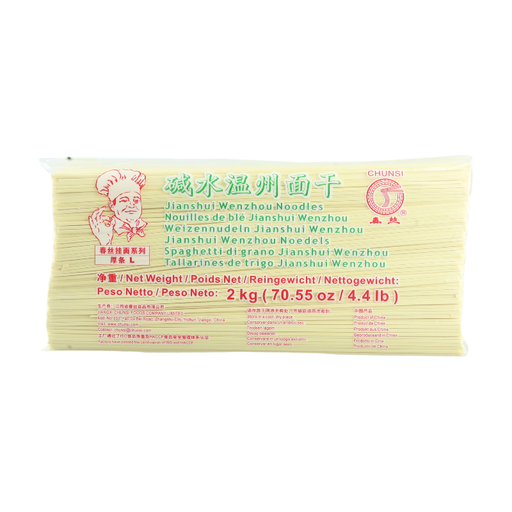
- Why They Stand Out: Made in the traditional Wenzhou style, these noodles include an alkaline agent. The result is a distinctly firm and springy texture that is highly prized by connoisseurs.
- Benefits:
- Firm, al dente texture that holds up well even in soups.
- Made from 98.7% wheat flour.
- Versatile for soups, stir-fries, or cold noodle salads.
- Who They're For: Cooks looking for the authentic, springy bite of alkaline noodles and preparing dishes where the noodle texture is the main event.
Shop Chunsi Wenzhou Noodles
Chunsi Hand-Pulled Style Noodles from Henan 2kg
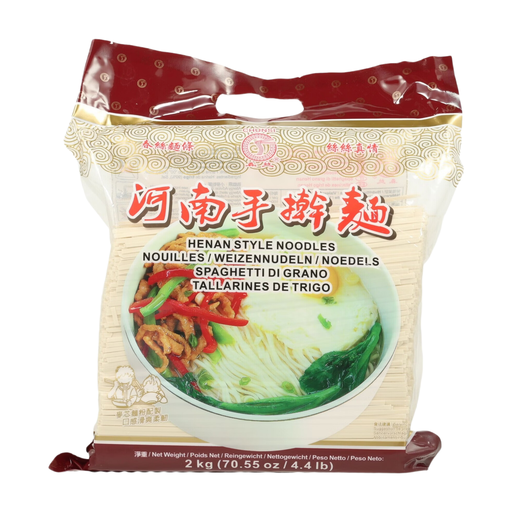
- Why They Stand Out: These noodles are modelled after the traditional hand-pulled style from the Henan region. They offer a smooth surface and a pleasantly chewy consistency.
- Benefits:
- Smooth and chewy texture, reminiscent of freshly made noodles.
- Made with just three ingredients: 99% wheat flour, salt, and water.
- Absorb sauces very well and are suitable for a wide variety of dishes.
- Who They're For: Ideal for anyone seeking a versatile noodle with a satisfying, homemade-style texture for soups and stir-fries.
Shop Chunsi Henan Noodles
Chunsi Shanghai Yangchun Noodles 2kg
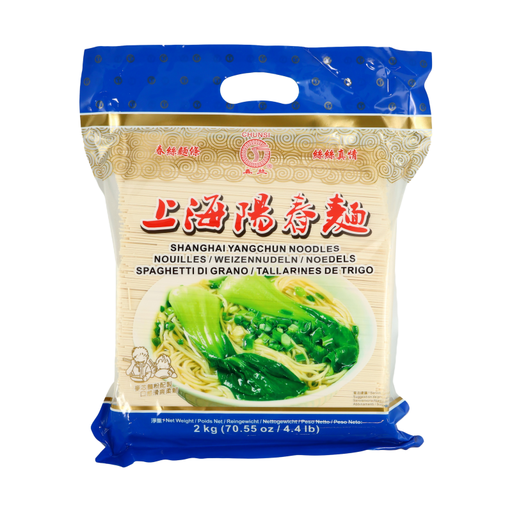
- Why They Stand Out: Yangchun noodles are a Shanghai classic. This version from Chunsi is fine, smooth, and cooks quickly. Its simple composition of wheat flour, water, and salt makes it a universal base.
- Benefits:
- Smooth and delicate texture with a short cooking time (4–5 minutes).
- Very versatile for light soups, as a side dish, or for cold noodle dishes.
- Simple and pure ingredient list.
- Who They're For: A great choice for quick and simple meals. Perfect for cooks who prefer a finer noodle that doesn't overpower the dish.
Shop Chunsi Shanghai Yangchun Noodles
Chunsi Lanzhou Noodles 2kg
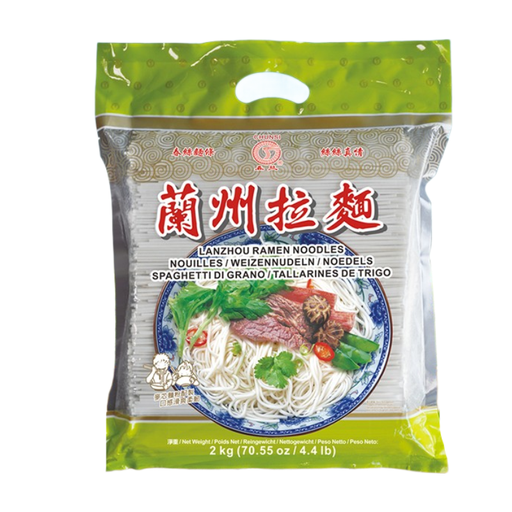
- Why They Stand Out: These dried wheat noodles are specifically developed for preparing Lanzhou beef noodle soup. Their high gluten content creates an elastic and chewy texture that holds its shape in broth.
- Benefits:
- High gluten content for an exceptionally elastic and chewy consistency.
- Specially designed as noodles for soup.
- Retain their bite even after extended time in hot liquid.
- Who They're For: A must-have for fans of authentic Lanzhou noodle soup and other dishes that require a robust noodle.
Shop Chunsi Lanzhou Noodles
Discover More Options
If you're looking for other noodle varieties or want to expand your pantry staples, you can find a wider selection of Asian noodles and pasta in our White Pasta category.
Frequently Asked Questions (FAQ)
What is the difference between Chinese and Italian noodles?
The main difference lies in the ingredients and preparation. Italian pasta is typically made from durum wheat semolina, sometimes with egg. Chinese noodles are usually based on soft wheat flour and water. Some varieties, like the alkaline noodles featured here, also contain alkaline salts, which significantly alter their texture and flavour.
How do you cook Chinese wheat noodles correctly?
Bring a large pot of water to a rolling boil. Add the noodles and cook, stirring occasionally, for the time indicated on the package (usually 4–7 minutes) until they reach your desired firmness. For stir-fries or cold noodle salads, it's recommended to briefly rinse the noodles under cold water after draining. This stops the cooking process and improves the texture.
Which Chinese noodles are best for beef noodle soup?
For a classic beef noodle soup, like the one from Lanzhou, noodles with a chewy, elastic texture are ideal. Lanzhou noodles are the natural choice, as they are specifically designed to maintain their consistency in hot broth without becoming soft. Alternatively, Henan noodles are also a good option.


