
Lieferung heute & morgen

Qualitätsgarantie

Willkommens-Angebote freischalten: KOSTENLOSE Lieferung | Bis zu 80 % RABATT | Kostenlose 30-Tage-JoyPlus-Testphase
App herunterladen
Preparing authentic Chinese dishes at home can be a culinary journey. But the challenge often starts with shopping: the search for the right Chinese cooking ingredients can frequently lead to confusion. Many home cooks invest in products that ultimately fail to deliver the desired flavour experience. As your Joybuy Product Recommendation Officer, I'm here to help you avoid the common pitfalls and make an informed choice.
Before we dive into the selection criteria, let's highlight the three most common issues that lead to disappointment in the kitchen.
To avoid these mistakes, you should focus on three objective parameters. These will help you assess the quality and suitability of an ingredient for your recipes.
The processing method is a critical quality indicator. Look for terms like "sun-dried" or "naturally aged." These methods preserve the complex aromas of ingredients like dried tangerine peel (Chenpi) or goji berries. A Protected Geographical Indication (PGI), such as the one for Xinhui tangerine peels, is another strong signal of authenticity and controlled origin.
For dried products like mushrooms, seaweed, or tofu products, the texture after soaking is crucial.
For braises, soups, and marinades, whole Chinese spices like star anise, cinnamon sticks, or Sichuan peppercorns are often the better choice. They release their aroma slowly and controllably into the liquid and can be easily removed before serving. Ground spices, on the other hand, can quickly become too intense and cloud the broth.
Here are some product recommendations tailored to different needs and cooking styles.

Why This Fits Their Persona: Ideal for those who regularly prepare Chinese braised dishes (e.g., Hongshao Rou). The bulk package offers excellent value for money and ensures a fundamental spice is always on hand.
You avoid buying overpriced small packets from the supermarket. These whole cinnamon sticks (cassia cinnamon) are optimised for the slow release of flavour in broths and stews.
Large 500g bulk size; 100% pure cinnamon with no additives; retains its aroma for a long time as a whole stick.
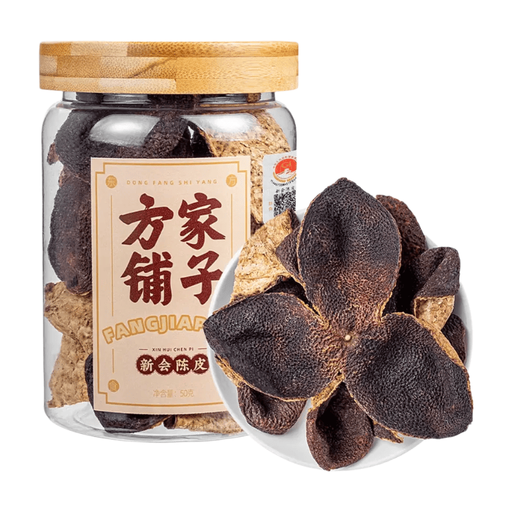
Why This Fits Their Persona: For cooks seeking the distinctive, deep citrus flavour of genuine Chenpi. Ideal for traditional soups, teas, and desserts where the quality of the ingredient is paramount.
This product solves the problem of unclear origin. The PGI certification ("GI certified") guarantees that these are authentic peels from the Xinhui region, which is renowned for its quality.
Guaranteed authentic origin (Xinhui); sun-dried and sulphur-free; naturally aged for a complex aroma.
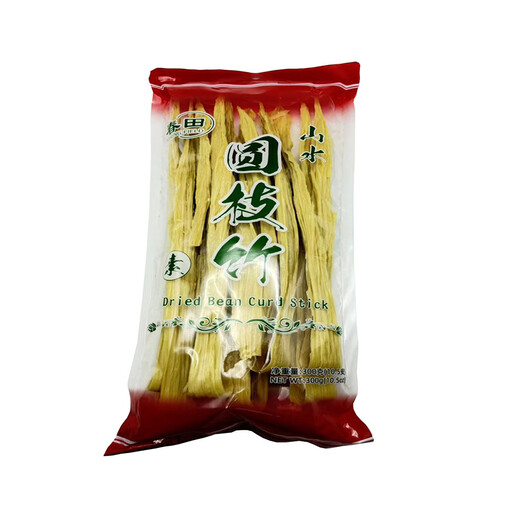
Why This Fits Their Persona: Perfect for fans of hot pot and slow-cooked stews. These tofu skin sticks are a classic ingredient that soaks up broth and maintains a pleasantly chewy texture.
You are specifically choosing the correct form. Unlike thin sheets that would disintegrate in a hot pot, these sticks are robust enough to maintain their shape and texture even during prolonged cooking.
High protein content (29g per 100g according to the manufacturer); ideal texture for soups and hot pot; versatile in use.
We have compiled a complete, up-to-date list of products that meet these strict selection criteria.
How can I identify the quality of dried Asian mushrooms? Look for intact pieces with a uniform, deep colour. The mushrooms should be dry and have an earthy, pleasant aroma, not a musty smell. Spots or a whitish coating can indicate mould or improper storage.
Do dried Chinese ingredients always need to be soaked? Most dried products like mushrooms, tofu skin, seaweed, or dried lily flowers require rehydration in water before cooking. The soaking time varies depending on the ingredient, from 20 minutes to several hours. Some ingredients, like goji berries or dried tangerine peel, can be added directly to soups or teas after a quick rinse. Always follow the instructions on the packaging.
What is the difference between tofu skin sticks and sheets? Both are made from the film that forms on the surface of soy milk. Tofu skin sticks (Fuzhu) are thicker and are dried in rolled or stick form. They have a meaty, chewy texture and are excellent for braised dishes and hot pot. Tofu skin sheets (Yuba) are thin and brittle. They are often used for vegetarian wraps (e.g., for dim sum) or as an addition to soups, where they soften quickly.