
Lieferung heute & morgen

Qualitätsgarantie

Willkommens-Angebote freischalten: KOSTENLOSE Lieferung | Bis zu 80 % RABATT | Kostenlose 30-Tage-JoyPlus-Testphase
App herunterladen
By the Joybuy Product Recommendation Officer, August 28, 2026
Chinese pickled vegetables, known as Pao Cai (泡菜) or Xian Cai (咸菜), are an essential part of many Asian meals. They serve as a zesty side dish (Xiaocai) with rice and congee or as a flavor-packed ingredient in stir-fries. However, when buying online, the selection can be overwhelming. Product descriptions are often vague, and expectations for taste and texture are not always met. This guide will help you navigate the common pitfalls and find the perfect product for your palate.
It's a huge letdown when a product doesn't deliver the flavor you were expecting. Pay attention to these three points to avoid disappointing purchases:
To choose the right product, you should check three central aspects. These will help you objectively evaluate a product's quality and flavor profile.
The foundation of any pickled vegetable is the variety and how it's processed. The names often provide a clue:
The cut style (e.g., strips, cubes, heart) affects not only the mouthfeel but also its use. Fine strips work well as a topping, while larger pieces or cubes retain their texture better in stir-fries.
The taste is largely determined by the Chinese seasonings used and the regional origin.
A look at the ingredient list reveals the authenticity and composition.
These ingredients are not inherently negative, but knowing about them allows you to choose a product that matches your personal preferences.
Here are some recommendations tailored to different needs and preferences.
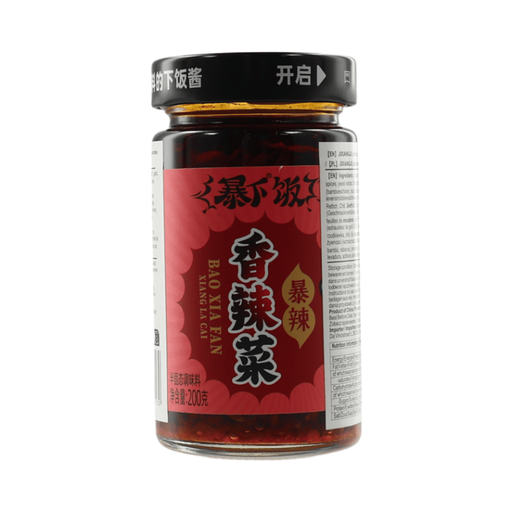
Why This Fits Their Persona: Ideal for anyone seeking an uncompromisingly spicy side dish. This mix of bamboo shoots, radish, and mustard greens delivers an intense heat that pairs perfectly with simple rice or noodle dishes.
The ingredient list declares a chili content of 15%, which objectively confirms the expectation of high heat and avoids the pitfall of a merely mild "spicy" product.
Ready-to-eat, versatile seasoning mix with a crunchy texture. Instantly delivers intense heat and depth of flavor.
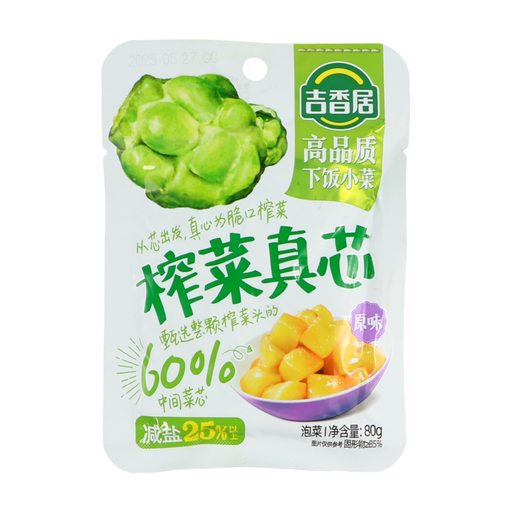
Why This Fits Their Persona: Perfect for connoisseurs who appreciate the extra-crunchy texture of the mustard stem heart (Zhacai Xin). Ideal as a high-quality side dish or as an ingredient in dishes where texture retention is key.
The product name "Vegetable Core" directly addresses the texture pitfall. Buyers know they are getting the crunchiest part of the plant, not softer, mixed pieces.
Offers an extra-crispy texture. The flavor profile is complex with notes of seafood powder and Sichuan pepper (1%).
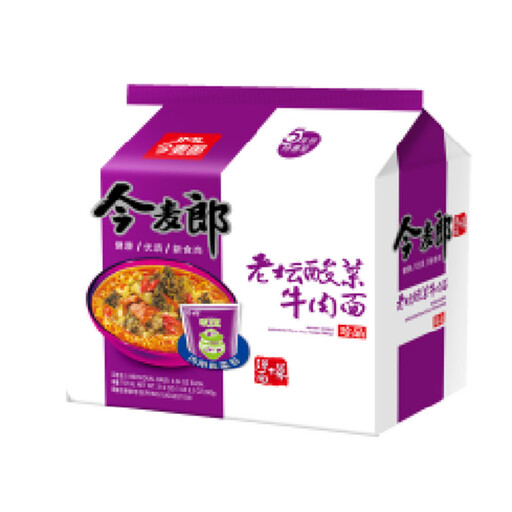
Why This Fits Their Persona: This product is designed for lovers of Suan Cai, especially for preparing the famous beef noodle soup with pickled cabbage. It delivers the authentic, sour-and-savory flavor required for this dish.
By being marketed as an ingredient for a specific noodle soup, the flavor profile is clearly defined as "sour" and "savory." This prevents the purchase of an unsuitable, for example, sweetish, product.
Authentic Suan Cai flavor. Comes as part of a noodle kit with all the necessary seasoning packets, simplifying preparation.
We have compiled a complete, up-to-date list of products that fully meet these strict selection criteria and all applicable regulations.
1. How long do Chinese pickled vegetables last after opening? Once opened, most pickled vegetable products should be stored in the refrigerator and consumed within one to two weeks to maintain freshness and texture. Products in oil or with a high salt content may last longer. Always follow the instructions on the packaging.
2. What is the difference between Zhacai and Suan Cai?Zhacai is the pickled, tuberous stem of the broadleaf mustard plant and has a firm, crunchy texture with a mostly salty-spicy flavor. Suan Cai consists of fermented mustard greens, is softer, and has a primarily sour taste. Zhacai is often eaten as a direct side dish, while Suan Cai is more commonly used as an ingredient in cooked dishes like soups.
3. Do I need to wash pickled vegetables before eating them? Most packaged pickled vegetables are "ready to eat" and do not need to be washed. However, rinsing can reduce the salt content or the intensity of the seasoning if desired. For some very salty varieties sold traditionally in bulk, a brief soak and rinse may be advisable before using them in dishes. Check the instructions on the package.