
Lieferung heute & morgen

Qualitätsgarantie

Willkommens-Angebote freischalten: KOSTENLOSE Lieferung | Bis zu 80 % RABATT | Kostenlose 30-Tage-JoyPlus-Testphase
App herunterladen
Chinese pickled vegetables are a cornerstone of many Asian dishes, offering an unparalleled depth of flavour. However, the expanding selection in online shops can be overwhelming. Without careful consideration, it's easy to choose the wrong product and face disappointment—whether from an unexpected texture or a flavour that doesn't suit your intended dish.
This guide will help you avoid the most common pitfalls. We'll show you the objective criteria to focus on during selection, ensuring you find the perfect product for your rice bowl, noodle soup, or authentic culinary project.
When buying Asian pickles, two common problems often arise that are easily avoided by correctly interpreting product features.
To ensure you find the right pickled vegetable, you should check two key parameters before making your choice.
The type of vegetable is the primary determinant of flavour and use. The three most well-known varieties are:
This distinction is fundamental. Check the product description or the preparation instructions on the packaging.
Here are some recommendations tailored to different needs and flavour profiles.
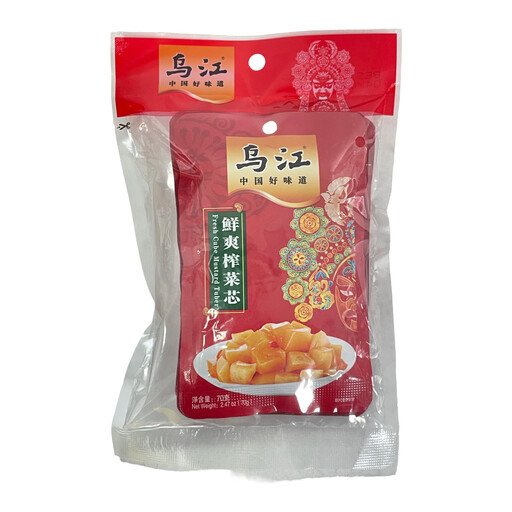
Why This Fits Their Persona: Ideal for busy professionals and students looking for a hassle-free, flavourful side dish. The single-serving packets are convenient for on-the-go or for quickly upgrading a simple meal like rice or instant noodles.
This product is explicitly labelled as a ready-to-eat side dish, which prevents the mistake of accidentally buying a product that requires cooking. The crunchy texture of the mustard stem (94%) meets the expectations for a classic Zha Cai.
Convenient 70g single-serving packs for freshness and easy handling. Classic, salty-savoury Sichuan flavour.
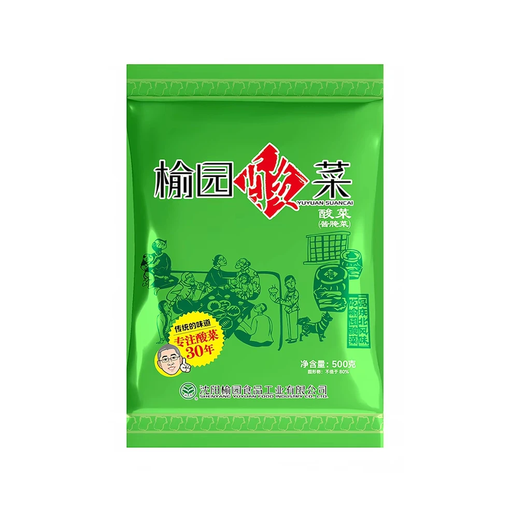
Why This Fits Their Persona: Perfect for home cooks and food enthusiasts who want to prepare authentic Chinese dishes like Suan Cai Yu (fish with pickled greens) or stews. The whole head of cabbage allows for flexible preparation.
The product description clearly states that the cabbage must be cooked before consumption. This prevents the disappointment of getting an unpalatable raw side dish. The ingredients list is short and contains no preservatives.
Naturally fermented with Lactobacillus plantarum for an authentic, sour taste. Fat-free, low-calorie (18 kcal/100g), and free from added preservatives.
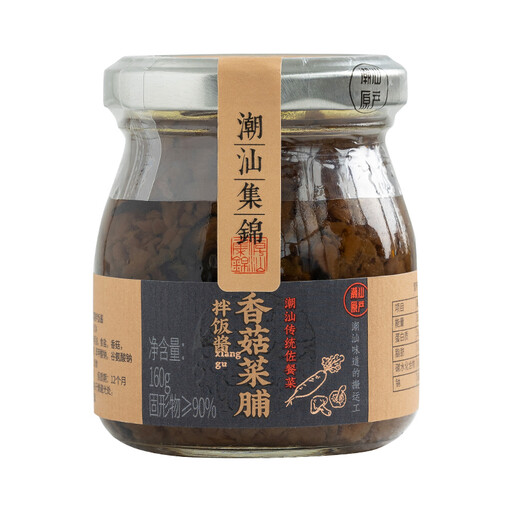
Why This Fits Their Persona: Suitable for anyone looking for an alternative to spicy Sichuan vegetables. The savoury-sweet flavour of the Chaoshan radish is an excellent topping for porridge or as a mild side dish for various meals.
This product offers a distinct flavour profile that stands apart from typical spiciness. It is labelled as ready-to-eat, preventing incorrect use. The combination with mushrooms provides an extra umami note.
Authentic, savoury flavour from Chaoshan cuisine. Ready-to-eat and versatile as a side dish or topping.
We have compiled a complete, up-to-date list of products that fully meet these strict selection criteria.
It depends on the product. For ready-to-eat vegetables like Zha Cai, it is generally not necessary. For vegetables that require cooking, such as Suan Cai, it is often recommended to give them a quick rinse under clear water to remove excess salt and mellow the flavour. A look at the preparation instructions on the package will provide clarity.
After opening, the product should be stored in the refrigerator. It is advisable to transfer it to a clean, non-metallic container and consume it within a few days to a week to preserve its freshness and texture.
Zha Cai is made from the swollen stem of the brown mustard plant. It is typically salty, often spicy, and has a very crunchy texture. It is usually eaten as a ready-made side dish. Suan Cai, on the other hand, is fermented cabbage (similar to sauerkraut) that tastes primarily sour and has a softer texture. It is an ingredient that is cooked in soups and stews.