
Lieferung heute & morgen

Qualitätsgarantie

Willkommens-Angebote freischalten: KOSTENLOSE Lieferung | Bis zu 80 % RABATT | Kostenlose 30-Tage-JoyPlus-Testphase
App herunterladen
In Germany, Chinese plums are best known as sweet-and-sour, salty or dried snacks. Depending on the recipe, they can range from firm and dry to soft and chewy. The category also includes plum drinks, pickled fruit and assorted packs.
When shopping online, though, product names alone don’t always make it easy to find the right option. Terms such as ‘traditional’, ‘natural’ or ‘sugar-free’ say little about salt levels, sweeteners, preservatives or the texture you can expect. Checking the ingredients list and nutritional information can help you avoid choosing the wrong product.
The sweet-and-sour taste of plums often comes from a combination of sugar, salt, acidity regulators and sweeteners. So two products with similar descriptions can taste quite different. Some varieties also contain liquorice, honey or spices, giving them a lingering, spicy aftertaste.
In salted plums, sweeteners such as saccharin, aspartame, sucralose or steviol glycosides are sometimes used to create a sweet taste. This can reduce the sugar content, but it doesn’t necessarily affect the salt content. For example, Jia Jian Cheng Chu Preserved Plums 120 g lists sweeteners such as saccharin, aspartame and steviol glycosides. The product also contains a source of phenylalanine. If you have a relevant intolerance, check the information on the packaging.
A 65 or 70 g pack is handy for taking with you or trying for the first time. For a household, sharing or frequent snacking, a 180, 200 or 500 g pack may be more practical. Once opened, make sure the pack is sealed tightly, as dried fruit and pickled plums can otherwise lose their texture.
The ingredients list shows whether you’re looking at a simply salted plum or a more complexly seasoned plum snack. Common ingredients include:
If the product contains sulphites, check the relevant allergen information. Products with colourings such as E102, E110 or E124 may carry a mandatory warning that they can affect children’s activity and attention. Always follow the specific labelling on the product packaging.
Nutritional information per 100 g makes it easier to compare products, even when pack sizes differ. For example, the stated salt content of the available products ranges from 0.79 g in LiUM Green Plum 160 g to 12.2 g in Tong Xiang Preserved Plum 85 g. According to the product information, X.O Salted White Plum 70 g contains 20.3 g of salt per 100 g.
Sugar levels also vary considerably. A product with 0 g of sugar may still contain sweeteners, while one made with honey or sugar will have a different flavour profile. If you’re looking for plum sweets or very sweet dried fruit, check the ‘of which sugars’ figure separately.
Firmer, repeatedly processed plums are often slowly chewed and make a classic snack. Softer varieties are better suited to enjoying with tea or as a small snack on the go. Some products are individually wrapped, while others come in a resealable pouch or tub.
Ume plums usually refers to green, salted or pickled plums prepared in the East Asian tradition. The name doesn’t automatically tell you how sweet or salty they are. Salted plums can also be used to flavour tea, soda or other drinks.
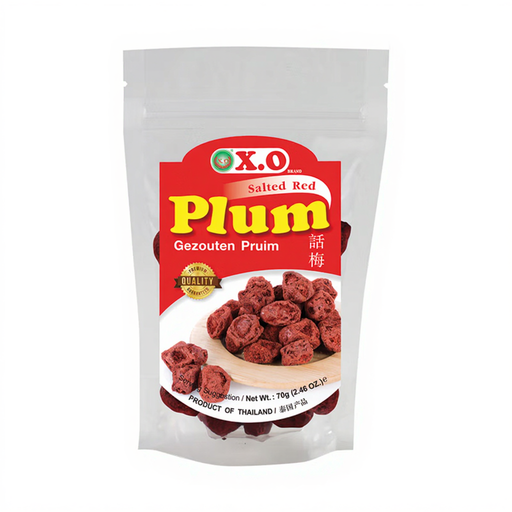
Why this product suits this profile: The 70 g pack is a manageable size for trying something new. It’s ready to eat and, according to the product information, can also be used to flavour tea or soda.
The ingredients and nutritional information list sulphites, colour E110 and 8,0 g of salt per 100 g, among other details. This makes it easier to assess the recipe before buying.
Compact 70 g portion, firmer chewy texture and a sweet, salty and sour flavour profile.
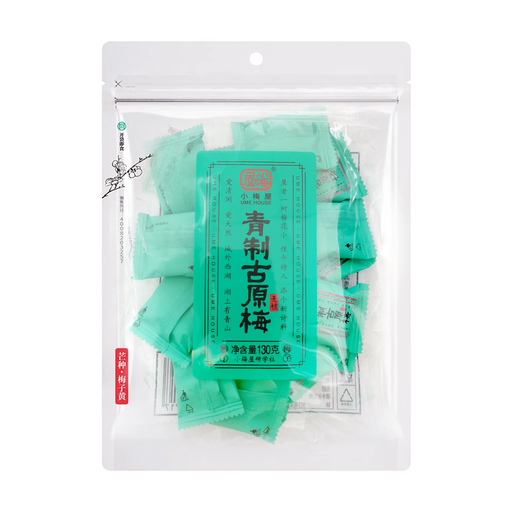
Why this product suits this profile: The recipe lists green plums, salt, sugar, citric acid and preservatives. The 130 g portion is individually wrapped, making it suitable for the office, a film night or as an accompaniment to a meal.
The product information clearly lists sweeteners and sulphites. This helps you avoid assuming that ‘ume’ means the recipe is free from additives.
130 g pack, individually wrapped pieces and stated nutritional values of 57,6 g of sugar and 2,3 g of salt per 100 g.
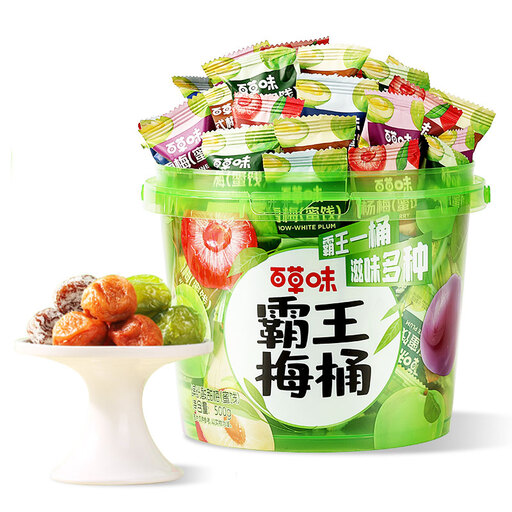
Why this product suits this profile: The 500 g tub contains five varieties, including green plum, red bayberry, prune, Suzhou-style plum and snow plum. It’s aimed at shoppers who want several flavours to share or compare.
Having several varieties lowers the risk of buying a large pack with just one flavour. However, the ingredients list does include sweeteners, sulphites and colour E124.
Large 500 g pack, five listed flavour varieties and, according to the product information, 2,46 g of salt per 100 g.
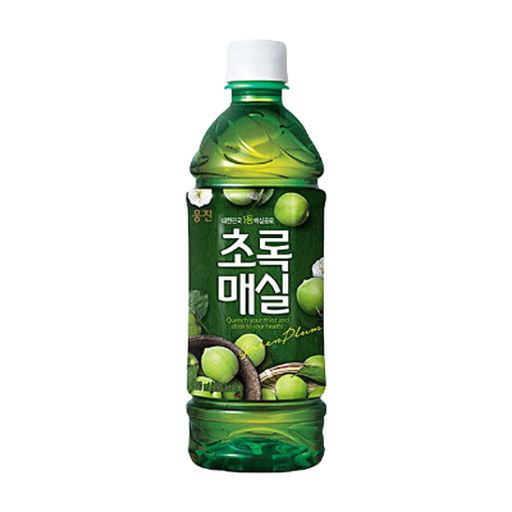
Why this product suits this profile: This non-alcoholic plum drink is described as containing plum and apple extracts, and is suitable for serving chilled. It’s an alternative to solid Asian snacks.
The product information lists 12 g of sugar and 56 kcal per 100 ml, so it’s clear this isn’t a sugar-free drink.
500 ml bottle, plum and apple extracts, and a non-alcoholic recipe.
We’ve put together a complete, regularly updated list of products that meet these strict selection criteria and fully comply with the safety regulations in force in the EU.
Chinese plums are usually preserved, dried or pickled fruit, prepared with salt, sugar, acidity regulators and sometimes liquorice or spices. They typically have a layered sweet-and-sour, salty or mildly spicy flavour. Depending on the product, green plums, red fruit or a mixture may be used.
Most products should be stored in a cool, dry place away from direct sunlight. Once opened, it’s best to seal the pack tightly or transfer the plums to an airtight container. Always follow the best-before date and storage instructions on the packaging.
No. The levels can vary considerably depending on how they’re made. Salted plums can have a high salt content, while other products rely more on sugar, honey or sweeteners. To make an informed choice, check the ingredients list and nutritional information per 100 g together.