
Lieferung heute & morgen

Qualitätsgarantie

Willkommens-Angebote freischalten: KOSTENLOSE Lieferung | Bis zu 80 % RABATT | Kostenlose 30-Tage-JoyPlus-Testphase
App herunterladen
As a Joybuy Product Recommendation Officer, I see the vast diversity of the food world every day. Especially with products like rice noodles, the selection on a supermarket shelf or in an online shop can quickly become overwhelming. Thin, wide, round, flat—which type is right for your planned Pho soup, fresh summer rolls, or spicy Bún bò Hu??
This guide is designed to bring you some clarity. We'll look at the different types of rice noodles, offer practical shopping tips, and present a selection of products suitable for preparing authentic Asian noodles. The goal is to provide you with an informed basis for your decision, ensuring your next dish is a success.
The choice of the right rice noodle depends primarily on the dish you plan to make. Three criteria will help guide your selection.
The noodle's texture and shape determine how well it absorbs sauces or broths and the kind of mouthfeel it creates.
Authentic Vietnamese rice noodles or Thai varieties are distinguished by a minimalist ingredient list. They typically consist of just rice flour and water, sometimes with a little salt or tapioca starch added for better texture.
For people with celiac disease or gluten intolerance, they are an excellent choice as they are naturally gluten-free noodles. A look at the packaging provides details on the exact ingredients and possible traces of allergens. The country of origin (e.g., Vietnam or Thailand) can be an indicator of their suitability for traditional recipes from those regions.
If you cook Asian food regularly, a larger bulk pack can be a smart choice. Some products, like those from MAMA, offer convenient portioned bundles. This makes measuring easier and ensures the remaining noodles stay fresh. For those who cook occasionally or are trying a new recipe, a standard 400g package is often sufficient.
Based on the criteria above, we have compiled a selection of rice noodles suitable for various dishes and preferences.
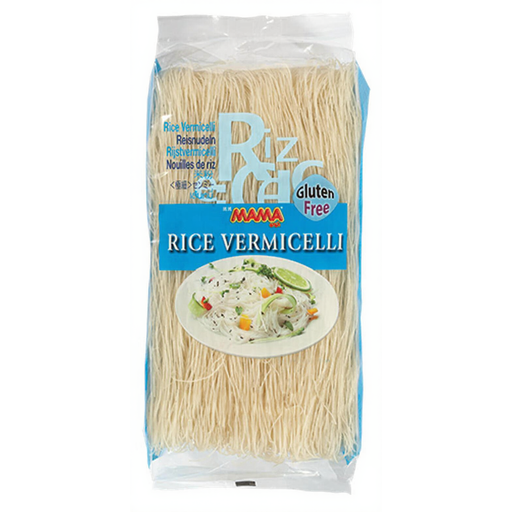
What makes them special: These rice vermicelli from the well-known Thai brand MAMA are a versatile all-rounder for Asian cuisine. The package contains eight individual portions, making preparation and storage particularly convenient. Made from high-quality rice, they offer a soft yet resilient texture that absorbs flavours excellently.
Advantages:
Who it's for: Ideal for home cooks looking for an uncomplicated and versatile rice noodle for various Thai and Vietnamese dishes. Also a great choice for families and health-conscious consumers.
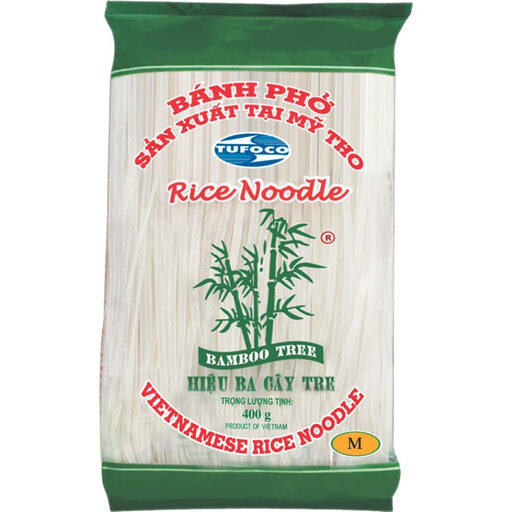
What makes them special: These Banh Pho from Bamboo Tree are specifically designed for preparing Vietnamese Pho soup. With a width of 3 mm, they are the ideal size to soak up the rich broth without becoming too soft. The ingredient list is traditional and short, with just rice, water, and salt.
Advantages:
Who it's for: Perfect for enthusiasts of Vietnamese cuisine who want to prepare authentic noodles for Pho at home. Anyone specifically looking for rice noodles for soup will find this to be a suitable product.
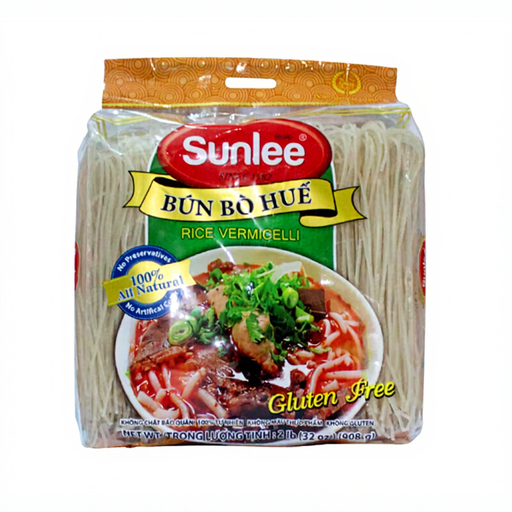
What makes them special: These thick rice noodles from Sunlee are the foundation for the traditional Vietnamese dish Bún bò Hu?. Their robust and thick shape provides a substantial, satisfying chew, making them the ideal addition to rich, spicy broths. The large 908g pack is perfect for those who cook regularly or prepare larger quantities.
Advantages:
Who it's for: For connoisseurs and enthusiasts of Vietnamese cuisine who want to prepare authentic Bún bò Hu?. The package size is aimed at those who use this type of noodle regularly or cook for family and friends.
The world of rice noodles is vast, offering the right variety for every dish and taste. Whether you need extra-wide noodles for stir-fries or paper-thin ones for light salads, the possibilities are endless.
If you need a different thickness or shape, or simply want to browse, you can find more options in our category. Discover our entire selection of pho rice noodles and find the perfect ingredient for your next dish.
Generally, yes. Rice noodles are made from rice flour and water, making them naturally gluten-free. They are an excellent alternative to wheat noodles for people with gluten intolerance. However, it is always wise to check the product packaging for any notes on potential cross-contamination if you have severe celiac disease.
The preparation varies depending on the thickness and type of noodle. Very thin rice vermicelli often only need to be soaked in hot (not boiling) water for a few minutes. Thicker, flat noodles like Banh Pho are typically boiled for 3–8 minutes. Following the specific instructions on the package will yield the best results and prevent the noodles from becoming too soft or sticky.
The term 'rice noodles' is a general name for noodles made from rice flour in a wide variety of shapes and sizes. 'Rice vermicelli' (Vietnamese: Bún) refers to a specific subtype: very thin, round rice noodles. Therefore, all rice vermicelli are rice noodles, but not all rice noodles are rice vermicelli.