
Lieferung heute & morgen

Qualitätsgarantie

Willkommens-Angebote freischalten: KOSTENLOSE Lieferung | Bis zu 80 % RABATT | Kostenlose 30-Tage-JoyPlus-Testphase
App herunterladen
As a Joybuy Product Recommendation Officer, I often see how challenging it can be for enthusiasts of East Asian cuisine to find the right ingredients. Especially with a product as traditional as sweet glutinous rice wine, also known as Jiu Niang or Laozao, there are subtle differences that can make or break a recipe.
This guide is designed to help you understand the different varieties of fermented glutinous rice and choose the right product for your needs—whether for a classic rice wine dessert like Tangyuan, as an ingredient for cooking, or as a refreshing drink.
The right product choice depends heavily on what you plan to use it for. Here are three key points to make your decision easier.
One of the most important distinctions is the consistency. You will find products that contain the whole, fermented glutinous rice grains in a sweet liquid, and others that offer only the pure, filtered juice.
Your planned dish will determine the product choice.
An authentic sweet Chinese rice wine is characterized by a simple ingredient list: water, glutinous rice, and a fermentation starter culture (rice yeast). Products without artificial additives or excessive added sugar typically offer a purer flavour experience.
The alcohol content is a result of natural fermentation and is usually very low, around 1–2% ABV. This means the product is primarily considered a food product, not an alcoholic beverage. Furthermore, most of the alcohol evaporates during cooking.
Based on the criteria above, we've put together a selection of products from the Mi Popo brand that cater to different needs. If you're looking to buy Mi Popo, here's a guide to help you.
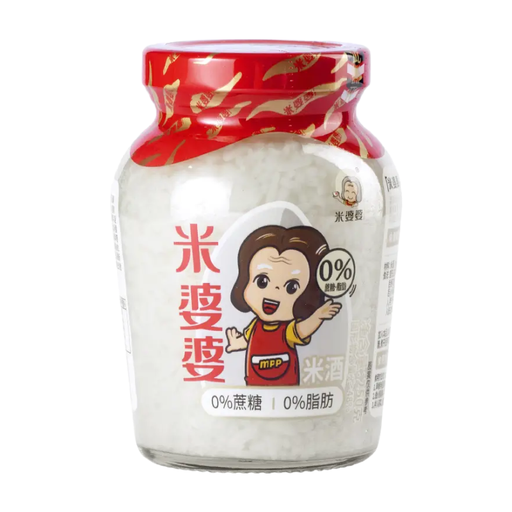
Why It Stands Out: This product is brewed using traditional fermentation techniques, offering a balanced aroma of sweet rice and mild wine. It contains the whole, soft glutinous rice grains and is ready to use right out of the box.
Pros:
Who is it for? Ideal for cooks who want to prepare classic Chinese desserts where the texture of the rice grains plays a key role. A great choice for making dishes like sweet rice wine soup with glutinous rice balls (Tangyuan).
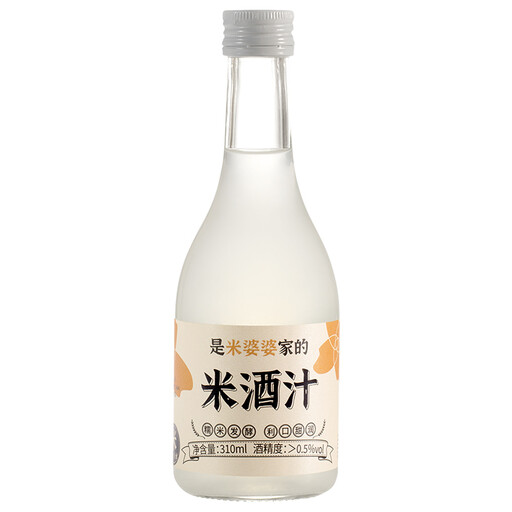
Why It Stands Out: This is the pure, clear juice extracted from the fermentation process. It offers the essence of the rice wine with a milder taste and no solid components.
Pros:
Who is it for? Perfect for users looking for a liquid seasoning or a light beverage. If you prefer the flavour of fermented glutinous rice without the solid texture, this is the right solution.
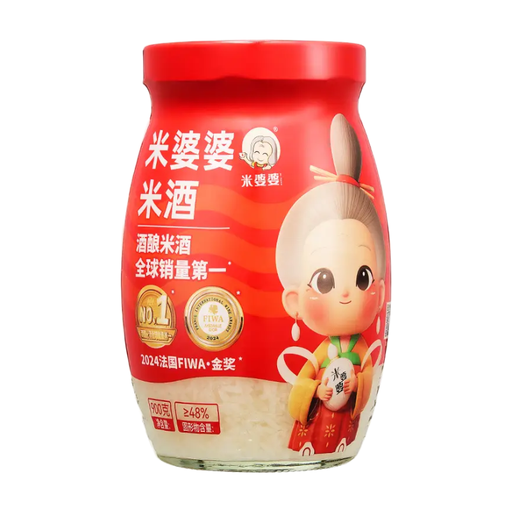
Why It Stands Out: This large 900g bottle is designed for regular use, offering the same traditional product with whole rice grains in a more economical package.
Pros:
Who is it for? For households and home cooks who regularly use sweet glutinous rice wine and prefer a larger quantity. Ideal if you frequently cook or bake for several people.
Sweet glutinous rice wine is just one of many fascinating ingredients in Asian cuisine. If you'd like to discover more products or are looking for a different variety, you can find a wider selection in our category.
Discover More Products in the Rice Drink Category
The terms Jiu Niang (酒酿) and Laozao (醪糟) are often used interchangeably for sweet glutinous rice wine. There can be subtle regional differences in meaning. Generally, Jiu Niang refers to the product as a whole, while Laozao sometimes more specifically means the unfiltered version with the solid rice grains. In retail, however, both terms usually describe the same product: fermented glutinous rice.
Sweet glutinous rice wine is an excellent ingredient for adding a subtle sweetness and complex depth to dishes. It is often used in Chinese cuisine to:
A tip: Add the rice wine towards the end of the cooking process to best preserve its delicate aroma.
Yes, a small amount of alcohol is produced during the natural fermentation process. The alcohol content is typically between 1% and 2% ABV. Therefore, the product is classified as a food ingredient rather than an alcoholic beverage. When heated during cooking, most of the alcohol evaporates.