
Lieferung heute & morgen

Qualitätsgarantie

Willkommens-Angebote freischalten: KOSTENLOSE Lieferung | Bis zu 80 % RABATT | Kostenlose 30-Tage-JoyPlus-Testphase
App herunterladen
The world of Chinese sauces is vast and fascinating, but for many home cooks, the culinary adventure begins with a challenge: which jar on the shelf is the right one? Grabbing the wrong sauce can completely alter the taste of a carefully planned dish. Before you spend money on products that don't suit your cooking plans, you should know the most common pitfalls.
Many people make the mistake of buying a universal "Asian seasoning paste," assuming it's suitable for everything. These products are often a compromise and rarely deliver the authentic flavour required for dishes like Mapo Tofu or Peking Duck. Another common error is confusing visually similar sauces. Hoisin sauce and sweet bean sauce look deceptively alike but have entirely different flavour profiles and uses. The result is often disappointment when the Peking Duck doesn't taste as expected.
To make the right choice, it's essential to look at the main ingredient. The base of a Chinese sauce is the primary determinant of its flavour, texture, and purpose.
Instead of presenting an overwhelming list, we have selected products for clearly defined culinary profiles. This selection helps you find the exact product that matches your project.
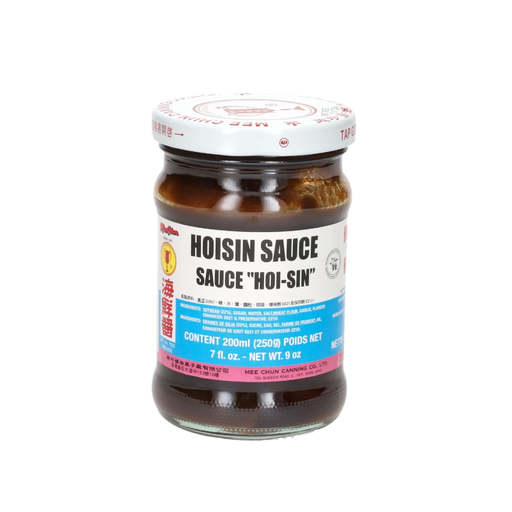
Why This Fits Their Persona: Ideal for anyone looking for a versatile and straightforward sauce for their first steps. It works as a dip, for quick stir-fries, or as a glaze, without needing to deal with complex seasoning pastes.
This product isn't a vague "Asian sauce" but a defined hoisin sauce with a clear, sweet-and-savoury flavour profile. It prevents confusion with more specialised pastes.
Ready-to-use and versatile. The soybean base provides a balanced flavour that complements many dishes. Suitable for vegetarians and vegans.
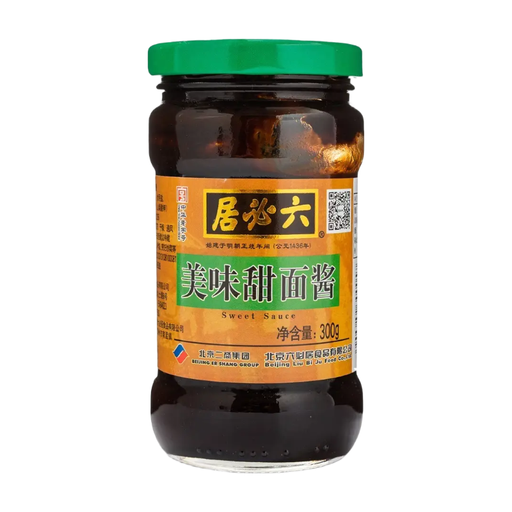
Why This Fits Their Persona: For cooks who want to authentically prepare the classic Peking duck. This product delivers the specific flavour needed for the thin pancakes.
This is a genuine sweet bean sauce (Tian Mian Jiang) made from a wheat flour base, not a hoisin sauce. It prevents the common mistake of using the wrong sweet sauce.
Classic, savoury-sweet flavour profile. The Liu Bi Ju brand is known for its traditional fermentation products. An essential ingredient for a specific, iconic dish.
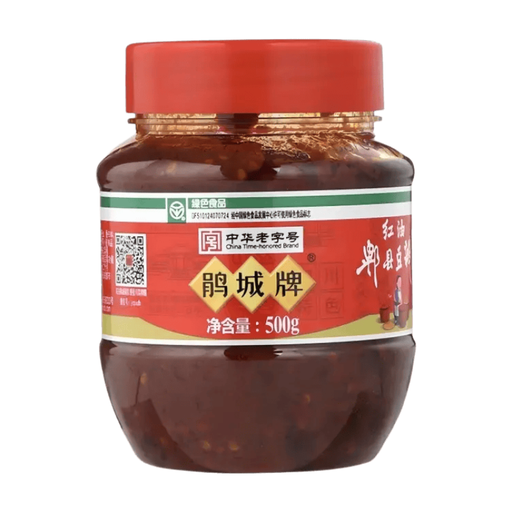
Why This Fits Their Persona: Indispensable for anyone wanting to recreate the authentic, spicy, and deep flavours of Sichuan dishes like Mapo Tofu, hot pot, or Twice-Cooked Pork at home.
This is an authentic Doubanjiang made from broad beans and chillies, not a generic chilli or soybean paste. It delivers the characteristic heat and aroma of Sichuan cuisine.
An intense seasoning paste that is fried before use to release its red oil and aroma. The Juan Cheng brand is renowned for its traditional production methods.
We've compiled a complete, up-to-date list of products that fully meet these strict selection criteria and local safety regulations.
Although both are dark and thick, they are fundamentally different. Hoisin sauce is usually soybean-based and is a sweet-and-savoury, all-purpose sauce for glazes and stir-fries. Sweet bean sauce (Tian Mian Jiang) is made from fermented wheat flour, is primarily sweet, and is the traditional sauce for Peking duck. Using the wrong one will result in an inauthentic flavour.
Most fermented pastes and sauces have a relatively long shelf life due to their high salt and sugar content. However, once opened, they should be tightly sealed and stored in the refrigerator. Pay attention to the manufacturer's instructions on the label, which often recommend a consumption period after opening (e.g., within 12 months). Using a clean, unused spoon for each serving prevents contamination.
Yes, traditional Doubanjiang is a spicy seasoning paste. Its main ingredient, besides broad beans, is chillies. The level of heat can vary by brand and product. It is a base condiment that is typically fried in hot oil to develop its flavour and is not used as a finishing dip or a straight sauce.