
Lieferung heute & morgen

Qualitätsgarantie

Willkommens-Angebote freischalten: KOSTENLOSE Lieferung | Bis zu 80 % RABATT | Kostenlose 30-Tage-JoyPlus-Testphase
App herunterladen
By Joybuy Product Recommendation Officer, August 28, 2026
Buying authentic Chinese sausage can be a challenge. The variety is vast, but labels are often unclear, and expectations aren't always met. Many shoppers invest in a product only to find that its flavor or texture doesn't suit their intended dish. So, before you order Asian sausage online, it's crucial to know the most common pitfalls to make an informed decision.
The two most common sources of error are:
This guide will help you avoid these mistakes and find the right sausage for your culinary projects.
To find the right Chinese sausage, you should check three core characteristics: regional origin, consistency (preparation method), and main spices.
The origin is the most important indicator of taste. The three most popular varieties are:
The product description provides information on how the sausage must be prepared and stored.
A look at the ingredients reveals the exact seasoning. Terms like Rose Wine, Soy Sauce, Sichuan Pepper, or Five Spices are clear indicators of the flavor profile. The fat content is also crucial for texture and taste. A higher fat content makes the sausage juicier and more aromatic after cooking.
Here are some recommendations tailored to specific needs and dishes.
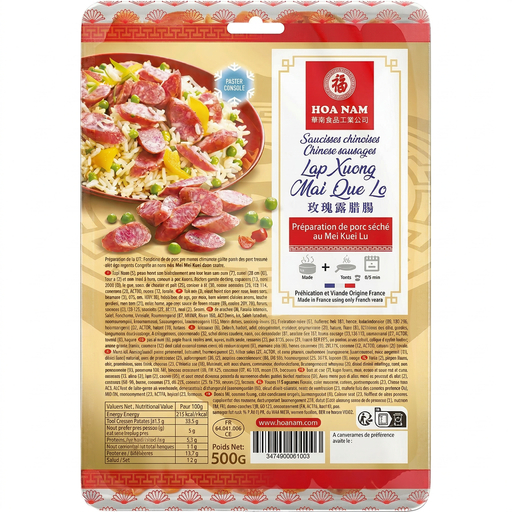
Why This Fits Their Persona: Ideal for anyone who wants to prepare classic Cantonese dishes like clay pot rice or lo mai gai. The sweet-and-savory flavor and aroma of rose wine are the foundation for many authentic Chinese sausage recipes.
This product is a classic air-dried Lap Cheong, which prevents confusion with spicy or fresh varieties. The preparation recommendation (steaming) is clearly tailored to this type of sausage.
Authentic Cantonese flavor profile with rose wine and soy sauce. The 500g package offers great value for money, enough for several meals.
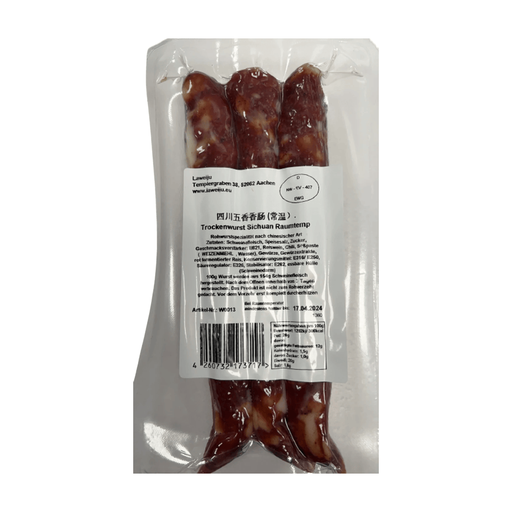
Why This Fits Their Persona: Perfect for cooks seeking the unmistakable, spicy-numbing flavor of Szechuan peppercorns and chili. This sausage adds an authentic kick to stir-fries and hot pots.
The "Sichuan" in the product name makes it unequivocally clear that this is a spicy sausage, preventing the mistake of buying an unexpectedly sweet one.
The sausage is shelf-stable at room temperature, which simplifies storage. It contains authentic spices like Szechuan peppercorns for that signature mala taste.
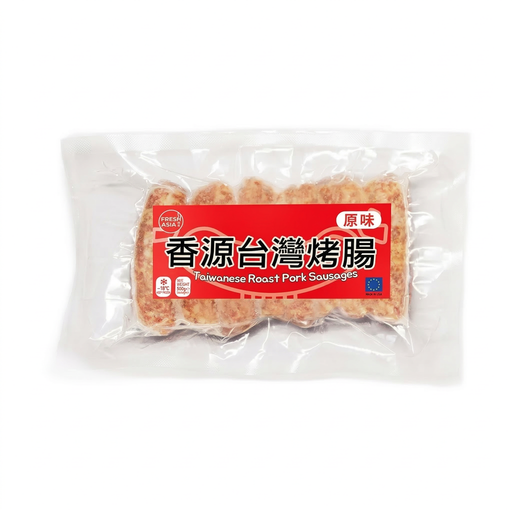
Why This Fits Their Persona: For anyone looking for a straightforward, juicy sausage for the pan, grill, or air fryer. Its sweet flavor is typical of Taiwanese night markets and is a delicious quick snack.
The "Grilled Sausage" label and "Taiwan" origin ensure that the buyer receives a fresh sausage meant for frying, not an air-dried variety that requires steaming.
High pork content of 88% according to the manufacturer. Preparation is quick and easy, making it ideal for everyday meals. The sausage is frozen and individually wrapped, which simplifies portioning.
We have compiled a complete, up-to-date list of products that fully meet these strict selection criteria and local regulations.
Preparation depends on the type of sausage. Air-dried sausages (e.g., Cantonese Lap Cheong) should be steamed. Place them in a steamer or directly on top of the rice in a rice cooker for 15–20 minutes. Fresh or frozen sausages (e.g., Taiwanese sausage) are pan-fried over medium heat or grilled until fully cooked and golden brown.
The main difference is the flavor. Cantonese sausage is sweet and savory, with a mild, often slightly floral aroma from rose wine. Sichuan sausage is bold, spicy, and has a slightly numbing quality (the "mala" flavor) from Szechuan peppercorns.
After opening, air-dried sausage should be stored in an airtight container in the refrigerator and consumed within the period specified on the packaging. Frozen sausage should not be refrozen after thawing and should also be used promptly. Always follow the manufacturer's storage instructions on the package.