
Lieferung heute & morgen

Qualitätsgarantie
App herunterladen
Kategorien
Chinese sausage, a category that also includes the popular Taiwanese sausage, offers a fundamentally different sensory experience compared to European varieties. It is characterised by a sweet and savoury flavour profile, created by ingredients like sugar, soy sauce, and rice wine. The texture is often firmer with a more pronounced bite. For consumers searching for Asian food online, understanding these specific product characteristics is crucial for making an informed purchasing decision. This article analyses the key selection criteria and presents a curated selection of products.
When planning to buy Chinese sausage, objective parameters should be used for evaluation. These criteria help in objectively assessing the qualities of each product.
The aroma is primarily determined by the balance of sweetness and saltiness. Traditional recipes use sugar or honey to counterbalance the salt and soy sauce. Regional variations may include additional spices such as five-spice powder, garlic, or ginger. An Asian-style spicy sausage typically incorporates chilli or Sichuan pepper for a piquant kick.
The grind of the meat (coarse or fine) and the fat content are decisive for the mouthfeel. A higher fat content results in a juicier sausage. A crucial quality indicator is the casing used. A natural casing provides the characteristic "snap" when cooked, an effect prized by many consumers.
The base is typically pork. Products manufactured in the EU are subject to local food standards and controls. The ingredient list provides details on the meat content, the spices used, and any additives such as flavour enhancers (e.g., E621) or stabilisers (e.g., E451), which are relevant for texture and shelf life.
Most products are available as frozen sausage and must be cooked through completely before consumption. Common methods include pan-frying, grilling, or preparing them in an air fryer. Suitability for various cooking methods can increase their versatility in the kitchen.
The following selection is based on an analysis of product specifications and caters to different preferences.
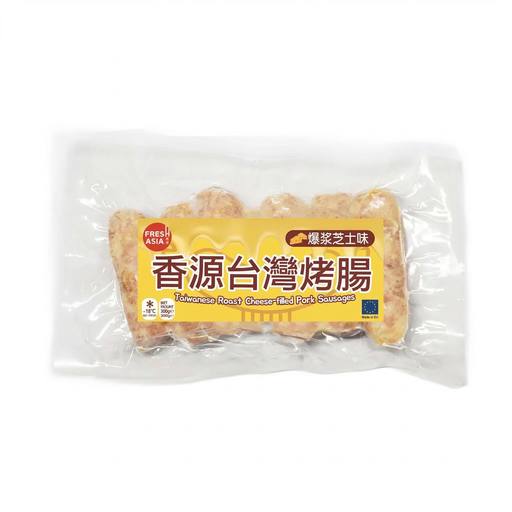
Why we recommend this product This product combines the characteristic sweetness of a Taiwanese sausage with a melted cheese filling. This fusion creates a unique flavour experience that stands out from traditional varieties. The recipe aims for a creamy texture in the core, which contrasts with the firm sausage meat.
Pros
Best for Consumers looking for a modern interpretation of Asian sausage cuisine who appreciate the combination of savoury-sweet and creamy-cheesy. Ideal for quick meals, as a snack, or for parties.
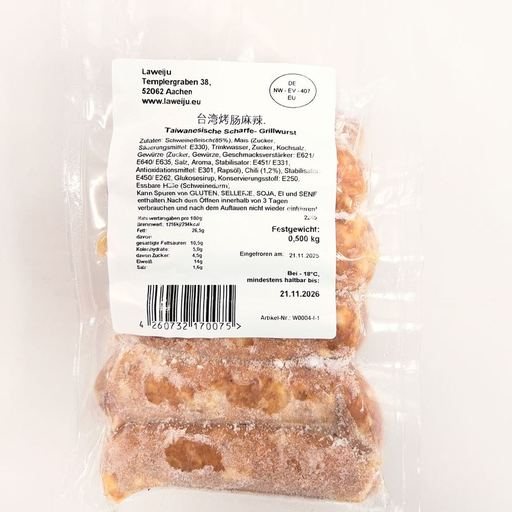
Why we recommend this product This spicy sausage is distinguished by its authentic Sichuan seasoning and the use of a natural casing. Its production in Germany combines local raw materials (pork from certified farms) with an Asian recipe that, according to the manufacturer, has been certified by the German Institute of Food Technologies.
Pros
Best for Individuals who prefer a distinct spiciness and value a traditional texture with a firm bite. A great choice for barbecue enthusiasts looking for an Asian-style grilled sausage with a piquant profile.
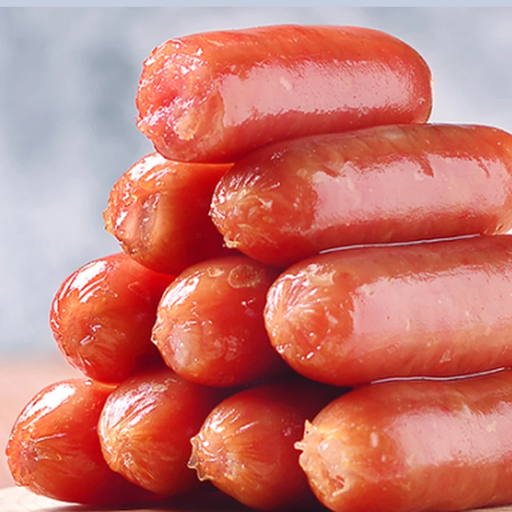
Why we recommend this product This product represents the classic, original flavour of a Chinese sausage, without the corn that is common in some recipes. With a high meat content of 92% and a coarse grind, it offers an intense meat flavour and a rustic texture.
Pros
Best for Purists seeking the authentic taste of an Asian sausage without variations. Also a great starting point for beginners who want to familiarise themselves with the fundamental flavour profile.
If the products featured do not exactly meet your requirements, our range offers a wider selection. Discover more varieties in our Grilled Sausages category.
Chinese sausage has a characteristic sweet and savoury profile. Compared to German sausages, it is typically less salty and noticeably sweeter. Flavours of soy sauce, rice wine, and sometimes five-spice powder are dominant. The texture is usually firmer and more compact.
It is recommended to thaw the frozen sausage slowly in the refrigerator before preparation. Afterwards, it can be pan-fried over medium heat for 8–12 minutes or cooked on the grill until fully heated and golden brown. Piercing the sausage before frying can prevent the casing from bursting. The product must always be cooked through completely before consumption.
Although the terms are often used interchangeably, there are subtle differences. Taiwanese sausage tends to be sweeter and often has a higher fat content, which makes it particularly juicy. It is often prepared fresh and grilled. The term Chinese sausage is broader and can also include air-dried varieties (Lap Cheong), which are harder and need to be soaked before use. However, the sausage varieties discussed here are similar in their basic structure.