
Lieferung heute & morgen

Qualitätsgarantie

Willkommens-Angebote freischalten: KOSTENLOSE Lieferung | Bis zu 80 % RABATT | Kostenlose 30-Tage-JoyPlus-Testphase
App herunterladen
Finding authentic Chinese sausage in Germany can be a challenge. Many miss the familiar taste of home, whether it's the sweet and aromatic Lap Cheong from Guangdong or the fiery, spicy La Chang from Sichuan. Others who are just discovering Chinese cuisine may be unsure which type is right for which dish.
As a Joybuy Product Recommendation Officer, my mission is to provide you with clear guidance. This guide introduces different types of Chinese sausage, explains their key differences, and offers practical tips to help you make the right choice for your palate and your cooking.
Before you order Chinese sausage online or search for it in an Asian supermarket, these three points will help you decide.
The aroma is the most important distinguishing feature. The sausage varieties reflect the culinary diversity of their regions of origin.
Chinese sausage is a raw, air-dried or smoked product and must be cooked before consumption. The most common methods are:
Pay attention to the ingredients list. A high-quality Chinese sausage consists mainly of pork, fat, salt, sugar, and spices. Brands like Laweiju sausage are known for their traditional recipes and use of specific regional spices. The fat-to-lean-meat ratio can also be an indicator of texture and flavour.
Here is a selection of products that represent different flavour profiles and are available online.
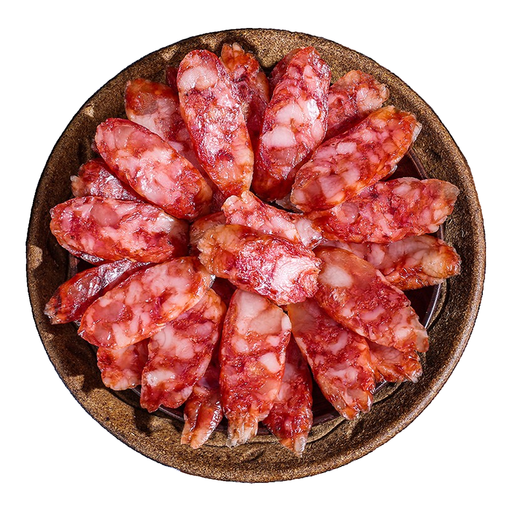
What makes it special This sausage is a classic example of the Cantonese style. It combines high-quality pork with a balanced sweet-and-salty flavour, enhanced by the addition of Chinese liqueur. Its texture is firm and the aroma is authentic.
Pros:
Best for: Anyone looking for the authentic taste of Cantonese cuisine or needing a sausage for traditional dishes like sticky rice dumplings (Zongzi) or steamed rice.
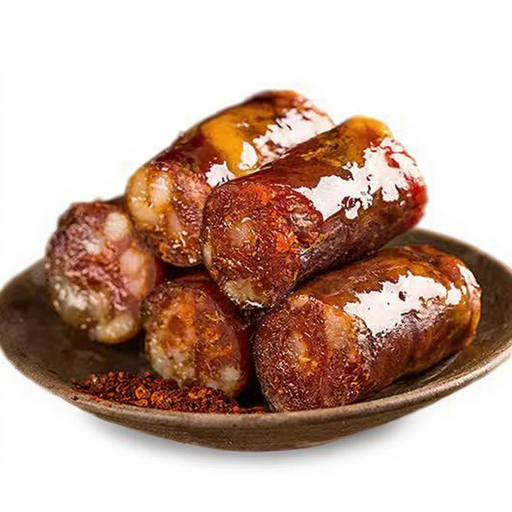
What makes it special This sausage brings the unmistakable flavour of Sichuan directly to your plate. Made according to a traditional recipe, it contains spices like Sichuan pepper and chilli, which create the characteristic numbing-and-spicy "mala" aroma. The meat is firm and has a long-lasting aftertaste.
Pros:
Best for: Fans of Sichuan cuisine and anyone who prefers a sausage with a bold, spicy, and complex flavour profile.
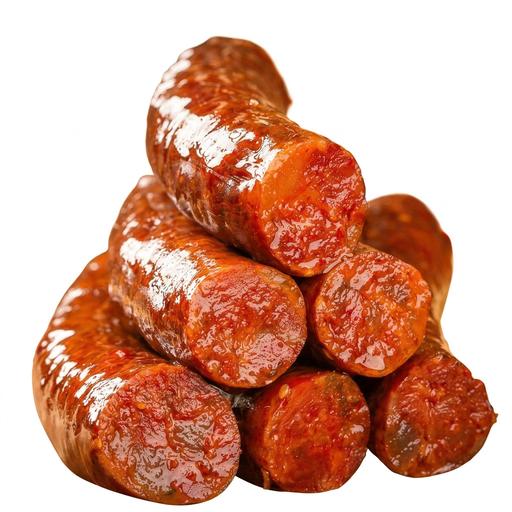
What makes it special This Suzhou-style sausage offers a harmonious balance between savoury and slightly sweet notes, rounded out by a rich wine aroma. The traditional production and air-drying process ensure a firm, chewy texture and a deep, well-rounded flavour experience.
Pros:
Best for: Cooks looking for a sausage with nuanced flavour that is neither too sweet nor too spicy and integrates well into a variety of dishes.
The world of Chinese sausage is diverse and rich with regional specialities. If you are looking for other flavours, brands, or specific types of sausage for your recipes, you are sure to find the perfect match in our wider selection.
Explore our entire range of Asian Sausage.
1. How should I store Chinese sausage? Storage instructions vary by product. Many sausages are sold frozen and should be kept at -18°C. Others that are not frozen should be stored in a cool, dry, and well-ventilated place, and refrigerated after opening. Always check the information on the packaging.
2. Does Chinese sausage always need to be cooked? Yes. Chinese sausage is a raw, air-dried cured meat product and must be cooked thoroughly before consumption. It should reach an internal temperature of over 70°C. Common methods include steaming, boiling, or stir-frying.
3. What is the difference between Lap Cheong and La Chang? Both terms refer to Chinese sausage (臘腸). Lap Cheong is the Cantonese pronunciation and usually refers to the sweet Cantonese sausage. La Chang is the Mandarin Pinyin transliteration and is used as a more general term for Chinese sausages from various regions, including the spicy varieties from Sichuan.