
Lieferung heute & morgen

Qualitätsgarantie

Willkommens-Angebote freischalten: KOSTENLOSE Lieferung | Bis zu 80 % RABATT | Kostenlose 30-Tage-JoyPlus-Testphase
App herunterladen
As a Joybuy Product Recommendation Officer, I often see how challenging it can be to find authentic Asian foods. The search for the right Chinese sausage, in particular, can be a difficult one. The variety of flavours is vast, ranging from the sweet Cantonese sausage to the spicy Sichuan sausage. This guide is designed to help you understand the different types and make an informed choice for your kitchen, whether you're preparing a traditional dish or simply looking for a savoury snack.
Choosing the right Chinese sausage depends heavily on your desired flavour and intended use. Here are some objective criteria to help you decide.
Chinese sausages can be broadly divided into two main categories with distinctly different flavours:
Consider how you plan to use the sausage, as this will influence the ideal type and preparation method.
A look at the ingredients list reveals a lot about quality and authenticity. A high meat content is often an indicator of a firm, meaty texture. Traditional recipes use specific spices or even liqueurs, like rose-flavoured liqueur, to create their characteristic taste. For vegan versions, the main ingredients are typically soy or wheat protein.
Here is a selection of products covering different flavour profiles and uses.
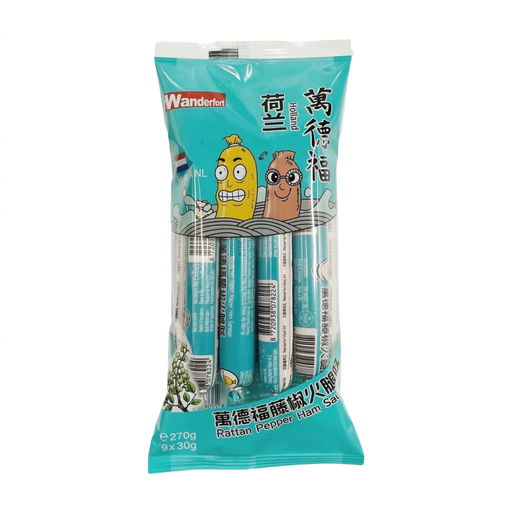
Why it stands out: These mini Sichuan-style sausages deliver the characteristic, numbing flavour of Sichuan peppercorns in a ready-to-eat format. The individual packaging makes them a convenient on-the-go snack or a quick flavour boost for any dish.
Benefits:
Who it's for: Anyone who appreciates the bold, unique flavour of Sichuan cuisine and is looking for a convenient, ready-to-eat option. Ideal for bento boxes, as a side for instant noodles, or as a standalone snack.
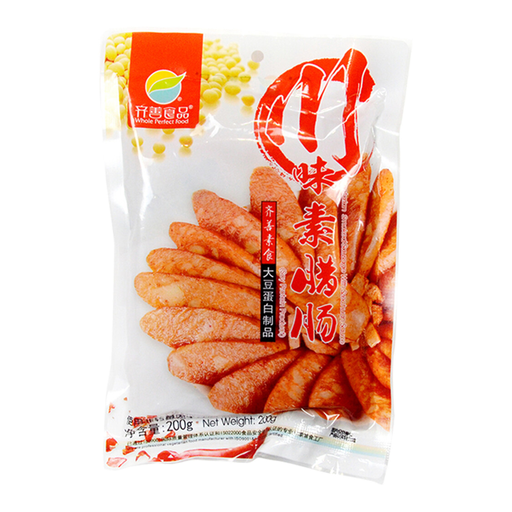
Why it stands out: This vegan Chinese sausage is a compelling plant-based alternative. Made from isolated soy protein and konjac powder, it mimics the texture and taste of a traditional smoked sausage with a spicy Sichuan twist.
Benefits:
Who it's for: Vegans, vegetarians, and anyone looking for a meat-free yet savoury and aromatic sausage alternative for Chinese cooking.
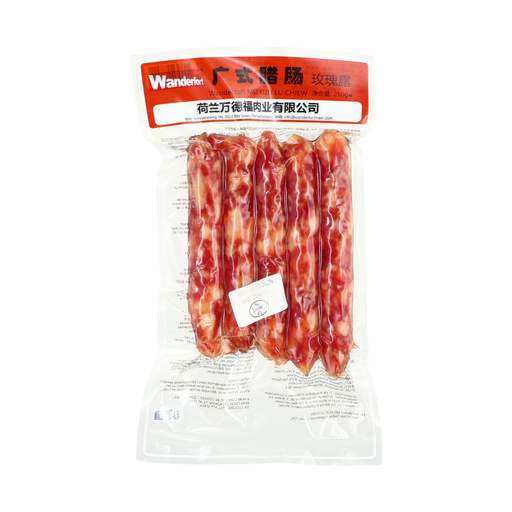
Why it stands out: This sausage embodies the classic flavour of Lap Cheong. With a high meat content of 86% (72% pork and 14% pork fat) and enhanced with osmanthus wine, it offers a perfect balance of sweetness and savouriness.
Benefits:
Who it's for: Home cooks and fans of Cantonese cuisine who are looking for an authentic Chinese salami for traditional dishes and value a high meat content.
This selection covers some of the most popular types of Chinese specialities. If you're looking for other varieties or different brands, you can find more options in our broader product category.
Discover Our Full Range of Chilled Sausages
1. What is the difference between Cantonese sausage (Lap Cheong) and Sichuan sausage? The main difference is the flavour. Lap Cheong is sweet and savoury, often flavoured with a hint of wine. Sichuan sausage is known for its spicy and numbing "mala" taste, which comes from chillies and Sichuan peppercorns.
2. How do you prepare Chinese sausage? Preparation depends on the type. Cantonese sausage (Lap Cheong) must be cooked. A common method is to simmer it in water for about 15 minutes and then pan-fry it until golden brown before slicing. Ready-to-eat Sichuan sausages can be eaten directly or added to dishes for extra flavour.
3. Where can you buy authentic Chinese sausage? Previously, Asian markets were the primary source. Today, specialised online shops offer a convenient way to find a wide range of Chinese sausage specialities and have them delivered directly to your home. This makes it easier to access niche products like vegan Chinese sausage or specific regional varieties.