
Lieferung heute & morgen

Qualitätsgarantie

Willkommens-Angebote freischalten: KOSTENLOSE Lieferung | Bis zu 80 % RABATT | Kostenlose 30-Tage-JoyPlus-Testphase
App herunterladen
The search for authentic ingredients is often the first step toward a successful Chinese dish. Anyone who has tried to prepare a creamy dipping sauce for a hot pot or the nutty base for Dan Dan noodles knows just how crucial the right Chinese sesame paste is. Yet, on the supermarket shelf, the differences between the various jars can be unclear.
This article serves as your guide. We'll introduce different types of Zhimajiang (芝麻酱), as the paste is called in Chinese, and explain the key features to look for when making your selection. Our goal is to provide you with a solid basis for making an informed decision on your next purchase.
Choosing the right paste depends heavily on your intended dish and personal preferences. Three criteria can make the decision easier.
A look at the ingredients list is revealing. A pure sesame paste consists exclusively of roasted sesame seeds. These products offer an intense, unadulterated sesame aroma and a thick consistency. They are ideal as a base for sauces that you can mix yourself to taste with water, soy sauce, vinegar, or oil.
Other pastes may be blended with peanuts, other oils, or additives. These are often thinner and more complex in flavour, but less traditional. For authentic recipes, a 100% sesame paste is typically the preferred choice.
The colour provides a clue to its flavour and use:
Although often confused, Chinese sesame paste and Tahini, which originates from the Middle East, are not identical. The main difference lies in the degree of roasting. Chinese paste is made from deeply roasted seeds, which gives it a darker colour and a more intense, nuttier aroma. Tahini is typically made from raw or only lightly roasted seeds, making it taste milder and slightly more bitter. For authentic Chinese dishes, using Chinese sesame paste is preferable to Tahini.
Here are three recommendations that cover different needs and stand out for their specific qualities.
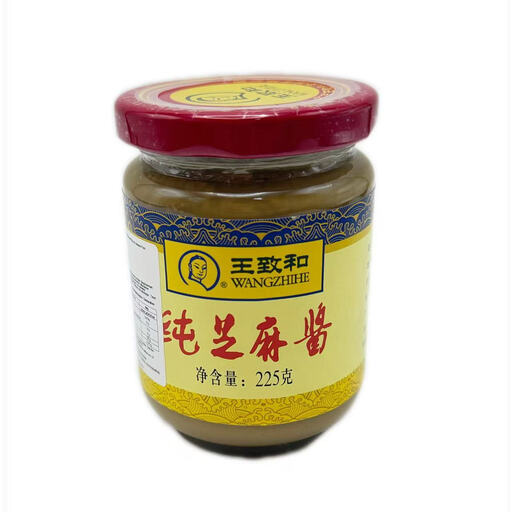
What Makes It Stand Out This paste from Wang Zhi He, a brand with over 350 years of history, represents traditional flavour. It consists of 100% roasted sesame seeds with no additives. Its fine, smooth texture and rich aroma make it a versatile pantry staple.
Pros
Who It's For Chefs and home cooks looking for an authentic and versatile pure sesame paste for a wide range of dishes, from hot pot dips and cold appetisers to noodle sauces.
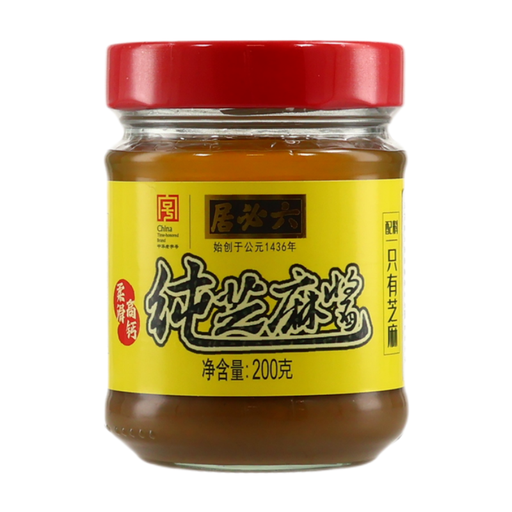
What Makes It Stand Out Liubiju is one of China's oldest brands, with a history spanning nearly 600 years. This sesame sauce is also made from 100% roasted sesame seeds, preserving the pure, intense aroma of the ingredient. The brand is a symbol of quality and traditional craftsmanship.
Pros
Who It's For Enthusiasts of traditional Chinese brands and home cooks who appreciate a pure, unadulterated sesame flavour for their culinary creations.
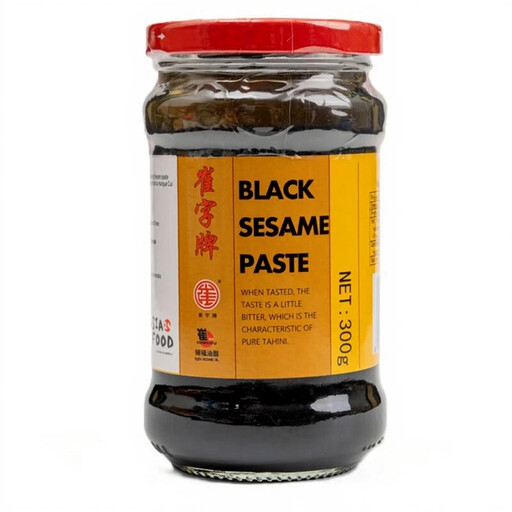
What Makes It Stand Out This black sesame paste from Cui Zi Pai is made from 100% pure black sesame seeds. The brand uses a traditional grinding process with small stone mills. This slow method prevents high heat generation, thereby preserving the nutrients and full aroma of the seeds. The result is an exceptionally smooth and fragrant paste.
Pros
Who It's For Anyone seeking the characteristic flavour of black sesame or preparing dishes that specifically call for it. It is excellent for noodle dressings, fillings, or as a spread on bread.
Sesame is present in many forms in Asian cuisine. If you need a different consistency for your recipes, such as for baked goods or drinks, sesame powder could be an interesting alternative.
? Discover our selection of sesame powder here
1. What is the difference between Chinese sesame paste and Tahini? The main difference lies in the roasting level of the sesame seeds. Chinese sesame paste is made from deeply roasted seeds, which gives it a darker colour and a more intense, nutty aroma. Tahini is made from raw or only lightly roasted seeds and is therefore lighter in colour and milder in flavour. For authentic Chinese dishes, the Chinese version is preferable.
2. How do you dilute Chinese sesame paste for a sauce? Chinese sesame paste is often very thick. To make a smooth sesame sauce, place the desired amount of paste in a bowl. Then, gradually add lukewarm water or broth while stirring vigorously, preferably with chopsticks or a small whisk. The paste will initially seize up and become firmer, but with continued stirring and the addition of more liquid, it will become creamy and smooth. Afterwards, you can add other ingredients like soy sauce, rice vinegar, sugar, or chilli oil.
3. How should you store sesame paste? Unopened, sesame paste can be stored at room temperature in a cool, dry, and dark place. After opening, the jar should be kept in the refrigerator to maintain its freshness. It is normal for the oil to separate and rise to the surface. Simply stir the paste well before each use to recombine the oil and solids.