
Lieferung heute & morgen

Qualitätsgarantie

Willkommens-Angebote freischalten: KOSTENLOSE Lieferung | Bis zu 80 % RABATT | Kostenlose 30-Tage-JoyPlus-Testphase
App herunterladen
As a Joybuy Product Recommendation Officer, I often see well-intentioned attempts to cook authentic Asian dishes fail because of a single, crucial ingredient: sesame paste. A trip to the Asian market or browsing online shops can quickly become overwhelming. The labels are often unclear, and the selection is vast. Before you buy a Chinese sesame paste that doesn't suit your recipe, you should know the most common pitfalls that lead to kitchen disappointments.
Many home cooks invest in a paste only to find it doesn't deliver the expected flavor. This is often due to three common misconceptions:
Peanut-Sesame Paste. This is authentic and desirable for many recipes, but those seeking the pure, nutty flavor of 100% sesame will be disappointed.Hot Pot Dip Sauce. The result is a tough mass that's difficult to work with, instead of a creamy sauce.Dan Dan Noodle Ingredients. Tahini, made from unroasted seeds, tastes milder and slightly bitter.To ensure you find the right product for your culinary project, you should check three key parameters before buying. These will help you separate the wheat from the chaff and make an informed decision.
The most important indicator of taste and use is the ingredient list. There are two main categories here:
Check whether you're buying a pure paste or a processed Asian Seasoning Paste.
Hot Pot Dip Sauce already contain other ingredients such as oil, spices, soy sauce, or vinegar. They are designed for a specific purpose and save time during preparation.Besides the paste, the oil is also crucial. Toasted Sesame Oil is not used for high-heat frying but as a finishing oil. A few drops at the end of the cooking process give dishes an intense, nutty aroma that perfectly complements the flavor of the sesame paste. Also, note the difference between pure sesame oil and blended sesame oils, which are extended with soy or canola oil and have a milder aroma.
Here are some recommendations tailored to different needs and cooking styles.
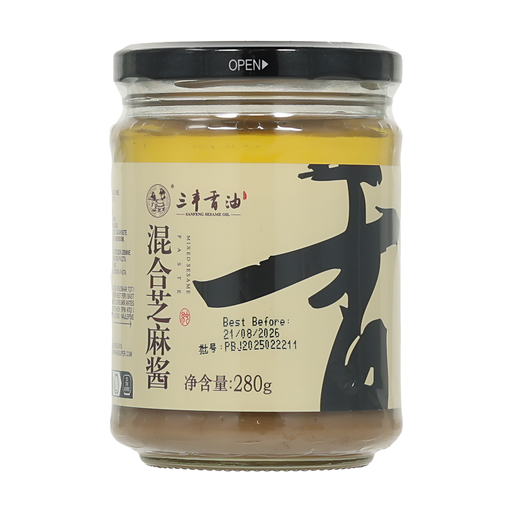
Why This Fits Their Persona: Ideal for cooks who want a reliable base for a variety of dishes, from noodle sauces to salad dressings. The balanced blend offers an authentic flavor profile without being too dominant.
This product avoids the "Pure Sesame" trap through transparency. According to the manufacturer, it consists of 70% sesame paste and 30% peanut paste, so you know exactly what flavor profile to expect.
Defined 70% sesame content for a robust flavor; smooth texture that is easy to process into sauces.
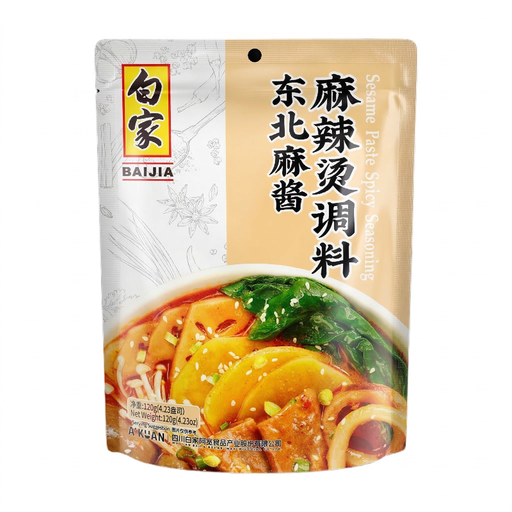
Why This Fits Their Persona: Perfect for anyone looking for a quick and authentic hot pot dipping sauce without having to study long ingredient lists. This set delivers a complete flavor experience.
This product solves the consistency problem. It's not a pure paste but a complete seasoning kit designed specifically as a ready-to-use hot pot dip sauce.
Separate packets for sauce and sesame paste allow for customized intensity; savory, complex flavor in the style of Northeastern China.
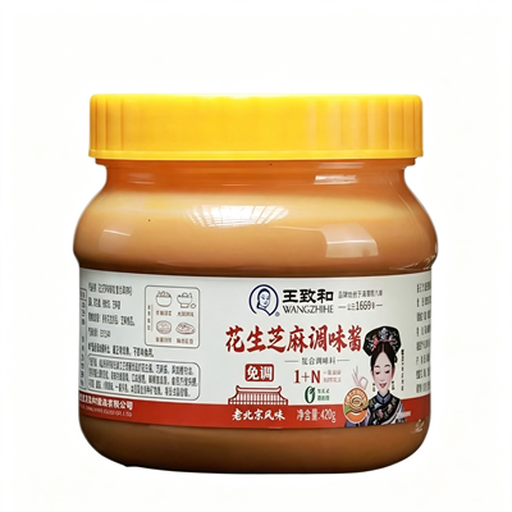
Why This Fits Their Persona: This paste is an excellent choice for anyone who cooks regularly and needs a larger quantity of a reliable base paste. The 420g package offers great value for money.
As a classic peanut-sesame paste, it delivers exactly what experienced cooks expect from a standard paste. There are no unexpected spices or additives, making it a dependable foundation.
Large 420g package for frequent use; a traditional and proven blend used in many Chinese households.
We have compiled a complete, up-to-date list of products that fully meet these strict selection criteria and local regulations.
Concentrated Chinese sesame paste is often very firm. The key is to add liquid (like water, soy sauce, or broth) slowly and in small amounts while stirring vigorously in one direction. Initially, the paste will get firmer and lumpy, but with continued stirring, it will suddenly become smooth and creamy. This process is called emulsification. Keep adding liquid until the desired consistency is reached.
The main difference lies in the roasting level of the sesame seeds. Chinese sesame paste (Zhī ma jiàng, 芝麻酱) is made from heavily roasted seeds, which gives it a darker color and a deep, nutty, almost smoky flavor. Tahini, on the other hand, is typically made from unroasted or very lightly roasted seeds. It is lighter in color, milder in taste, and often has a slightly bitter note. For authentic Chinese dishes, tahini is not an adequate substitute.
Not as a direct 1:1 substitute. Peanut butter lacks the characteristic roasted aroma of sesame. However, as mentioned above, many Chinese sesame pastes consist of a blend of sesame and peanuts. If your recipe calls for such a Peanut-Sesame Paste and you don't have any on hand, you can try mixing smooth peanut butter with a little toasted sesame oil to approximate the flavor. The result, however, will not be identical.