
Lieferung heute & morgen

Qualitätsgarantie

Willkommens-Angebote freischalten: KOSTENLOSE Lieferung | Bis zu 80 % RABATT | Kostenlose 30-Tage-JoyPlus-Testphase
App herunterladen
The world of Chinese snacks is diverse, exciting, and often a culinary adventure. But for those seeking authentic Chinese treats, the search can be challenging. Vague product descriptions, unfamiliar ingredients, and misleading packaging can mean the anticipated flavour explosion falls flat. As your Joybuy Product Recommendation Officer, I'm here to help you navigate the common pitfalls and find the perfect snacks to match your preferences.
Before you fill your cart, you should be aware of three common pitfalls:
To discover the right products for you, it helps to understand three core characteristics that define the quality and type of a Chinese snack.
In Chinese snack culture, texture is just as important as flavour. Instead of just searching for "chips" or "crackers," pay attention to clues about consistency:
The world of flavour extends far beyond sweet, salty, or spicy. Two profiles dominate the savoury snacks from China category:
A snack's base ingredient is crucial in determining its profile. Look out for these common ingredients:
Here are some recommendations tailored to different preferences and experience levels.
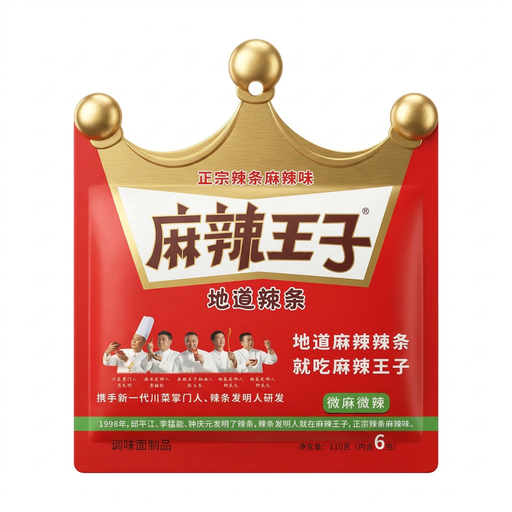
Why This Fits Their Persona: Ideal for those who are curious about the famous Latiao flavour but fear an overwhelming level of spice. This product offers a gentle introduction to the numbing mala sensation.
The product name "Mild Numbing & Mild Spicy" clearly communicates that the heat is moderate, thus avoiding the "too spicy" trap (Pitfall 2).
Made using a non-fried process. The individually wrapped portions are convenient for on-the-go snacking and portion control.

Why This Fits Their Persona: Perfect for anyone who loves the unique "Q-tán" mouthfeel and is looking for a spicy, plant-based snack alternative. The texture is reminiscent of tripe but is purely vegetarian.
The name "Konjac Vegetarian Tripe" directly communicates the unique, chewy texture, thereby avoiding the 'authenticity' trap (Pitfall 1) for uninformed buyers.
Made from konjac flour, it's low in calories and fat. The individually wrapped pieces are hygienic and perfect for snacking between meals.
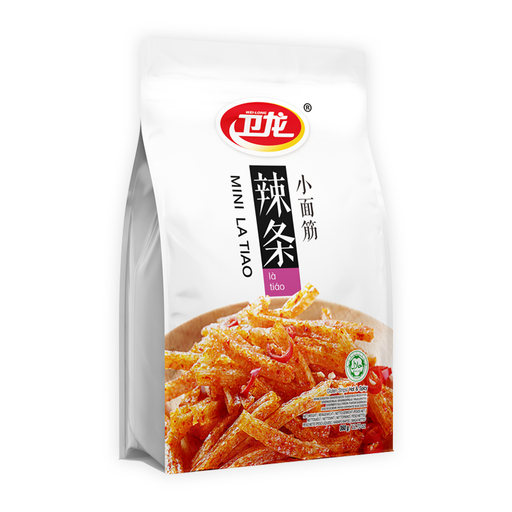
Why This Fits Their Persona: For anyone specifically looking to buy Latiao. This is one of the most famous products from Wei Long Snacks, delivering the iconic, spicy, oily, and chewy experience celebrated on social media.
As an established brand product, it delivers exactly what connoisseurs expect. Its authenticity is proven by its immense popularity in China, which sidesteps the 'authenticity' trap (Pitfall 1).
Authentic mala flavour with a distinctively chewy texture. The large 360g pack is excellent for sharing with friends and family.
We've compiled a complete, up-to-date list of products that fully meet these strict selection criteria and local regulations.
The main difference lies in the base ingredient and texture. While many spicy Asian snacks like chips or crackers are crispy, Latiao is made from wheat gluten. This gives it a unique, very chewy, and meat-like consistency. The flavour is typically oily, savoury, and often features the characteristic Mala aroma.
Many authentic Chinese snacks are naturally plant-based. This includes most gluten snacks (Latiao), Konjac Snacks, tofu snacks, and many rice crackers. However, it's crucial to check the ingredient list carefully. Some products may contain traces of fish extract, milk powder, or other animal-derived components in their seasonings.
The level of heat can vary greatly. The unique feature of Mala Snacks is the tingling sensation (麻, má) from Sichuan pepper, which accompanies the heat of the chillies (辣, là). For beginners, this sensation can be unfamiliar. If you're unsure, start with products explicitly labelled as "mild" or "lightly spicy" to ease your way into the flavour experience.