
Lieferung heute & morgen

Qualitätsgarantie

Willkommens-Angebote freischalten: KOSTENLOSE Lieferung | Bis zu 80 % RABATT | Kostenlose 30-Tage-JoyPlus-Testphase
App herunterladen
Chinese snacks offer a huge variety of flavours, from sweet dough twists with brown sugar to spicy Mahua snacks with a Sichuan-Mala flavour. However, if you want to buy Chinese snacks online, you should not be guided solely by eye-catching packaging or terms such as “traditional” and “authentic”. Ingredients, allergens, nutritional values, pack size and your preferred flavour profile are what really matter.
With Asian snacks, terms such as “Spicy”, “Mala” or “hot” can cover very different flavour experiences. Sichuan-Mala, for example, combines heat with a distinctive tingling, slightly numbing spice profile. Other products may simply be seasoned with salt or mild spices.
If you are sensitive to chilli, you should therefore check the ingredients list. Information such as chilli, spice mix, “Spicy & Numbing Powder” or Sichuan pepper provides a more reliable indication than the front of the pack.
Chinese dough twists and fried dough sticks can look similar, but may differ significantly in how they are made and in their nutritional values. Some products are fried, while others are baked. The proportion of flour, the type of oil used and any added sugar also affect the flavour and texture.
The description “crunchy” is therefore not enough on its own when choosing a product. Also check the preparation method and the nutritional information per 100 grams.
Wheat, egg, sesame, milk, soya, mustard or celery may be included in Chinese snacks or listed as possible traces. This is particularly worth checking when placing a mixed order.
Pack size is also important: 120 to 150 grams are suitable for trying a product, while 280 to 420 grams may be more practical for households with several snack lovers or for regular consumption. Once opened, the products should be stored in a dry place and resealed in accordance with the packaging instructions.
Start by narrowing down your selection according to your preferred flavour profile:
According to the product description, Wo Long Mini Fried Dough Twists are made using a non-fried baking method. The recipe combines wheat, millet and maize flour. This distinguishes these crunchy Chinese snacks in the product description from traditionally fried Mahua varieties.
Palm oil is listed as an ingredient in other products. This is not a quality benchmark on its own, but it should be taken into account when making your personal choice. If you prefer a particularly light, thin texture, look for products explicitly described as light and crunchy.
Always compare the information per 100 grams. The values in this selection range, for example, from 451 kcal to 594 kcal per 100 grams. Salt and sugar content also vary considerably:
This information helps you compare products, but does not replace individual nutritional advice. In the case of allergies or intolerances, only the current packaging labelling is authoritative.
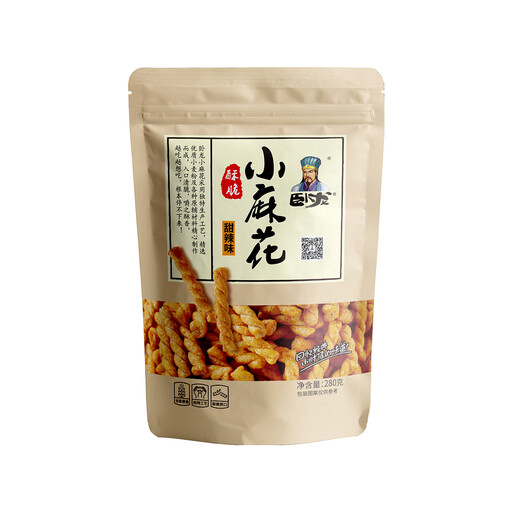
Why this product suits this profile: The 280-g pack is a well-portioned way to try sweet and spicy snacks. The product description states that it is made using a non-fried process and has a thin, crunchy texture.
The ingredients and nutritional information clearly show that wheat is included and state the amount of salt, sugar and fat per 100 g.
280 g pack size, sweet and spicy seasoning and, according to the product information, a baking-based production method.
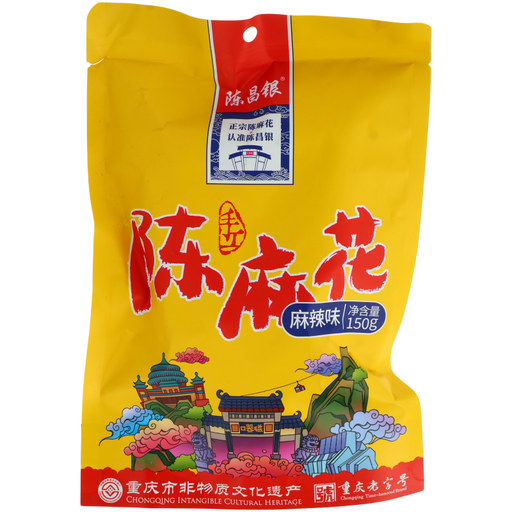
Why this product suits this profile: The recipe lists wheat flour, egg and sesame, along with a Sichuan-Mala profile. This makes the snack a good choice for shoppers specifically looking for traditional spicy dough twists.
The product profile clearly states the seasoning style and relevant allergens. The 150-g bag limits the risk of an unsuitable purchase if you are unfamiliar with the heat level.
Sichuan-Mala flavour profile, crunchy twisted shape and clearly stated allergens.
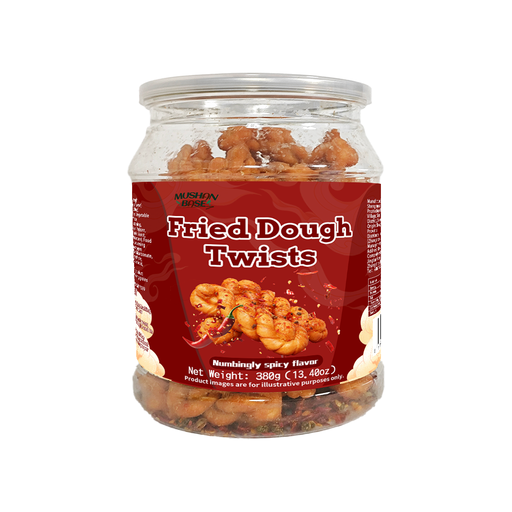
Why this product suits this profile: The 380-g pack is suitable for households, sharing with friends or keeping a regular supply in the cupboard. The product description mentions a spicy, tingling spice mix and a ready-to-eat format.
The product information states that it contains 70% wheat flour, may contain traces of celery, mustard and sesame, and should be stored in a cool, dry place.
Large 380-g pack, spicy Mahua shape and ready to eat straight away.
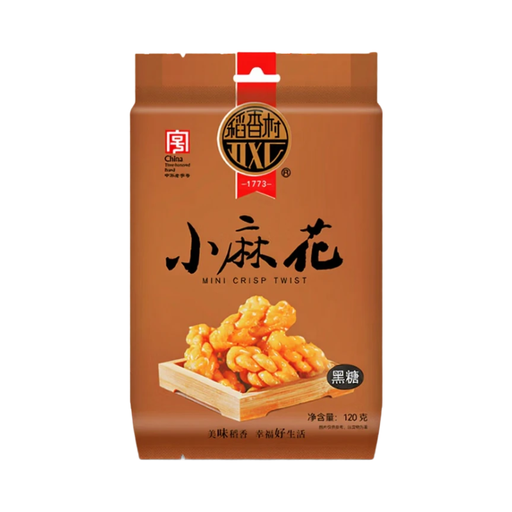
Why this product suits this profile: The small pack is ideal for trying the product or serving with tea and coffee. Its flavour is defined by brown sugar and a crunchy texture.
The ingredients list identifies wheat and sesame as allergens. It also states a sugar content of 32 g per 100 g, allowing you to assess this before buying.
120-g pack, brown sugar flavour and, according to the product information, suitable for serving with Chinese tea.
We have put together a complete, regularly updated list of products that fully meet these strict selection criteria and the safety regulations applicable in the EU.
If you prefer less sweetness, you could also consider the Wo Long Mini Fried Dough Twists Seaweed Flavor 280g. The product information states that it is seasoned with seaweed and contains 451 kcal and 1,4 g salt per 100 grams. For a smoky, savoury note, try the Wo Long Mini Fried Dough Twists Barbecue Flavor 280g. If you are specifically looking for spicy potato crisps instead of dough twists, Balaji products are available in tomato or Pudina mint varieties. However, these are not from China; they are Asian snacks from India.
For beginners, smaller packs with clearly described seasoning are a sensible choice. Sweet varieties with brown sugar are generally easier to assess. If you prefer savoury flavours, you can start with a 150-g pack of Mahua before buying a larger pack.
According to the product information, most products should be stored in a cool, dry place away from direct sunlight. Once opened, the packaging should be resealed tightly to help retain the crunch. You will find the best-before date on the relevant packaging.
This can only be determined by checking the specific ingredients and allergen labelling. The selection includes wheat, egg, sesame, soya and milk, among other ingredients. If you have an allergy, carefully check the current labelling before eating the product and pay attention to any trace warnings.