
Lieferung heute & morgen

Qualitätsgarantie

Willkommens-Angebote freischalten: KOSTENLOSE Lieferung | Bis zu 80 % RABATT | Kostenlose 30-Tage-JoyPlus-Testphase
App herunterladen
Choosing the right Chinese soy sauce can be a daunting task for home cooks. The variety on store shelves ranges from light and dark versions to specialised seasoning sauces. This guide is designed to demystify the options and help you find the perfect soy sauce for your authentic dishes, whether it's for stir-fries, braises, or steamed fish. As a Joybuy Product Recommendation Officer, I have compiled objective information to help you make an informed decision.
To buy the right Chinese soy sauce, it helps to understand a few basic criteria based on intended use and product characteristics.
The most important factor is how you plan to use it. Chinese cuisine primarily distinguishes between two basic types:
A high-quality premium soy sauce is often characterised by a short ingredient list and a traditional production method.
For certain dishes, there are specially formulated soy sauces that perfectly complement the flavour:
Based on the criteria above, we have curated a selection of soy sauces for various culinary applications.
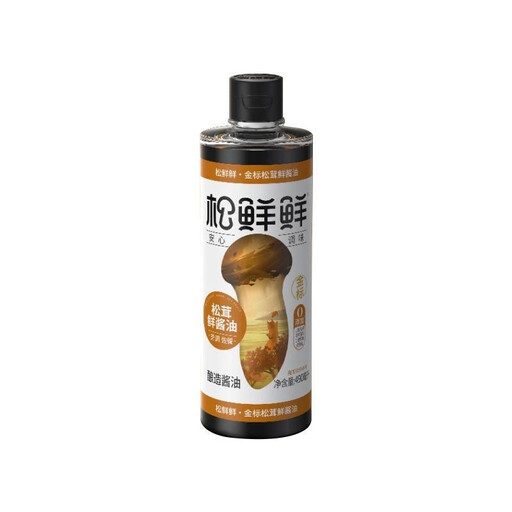
Why it stands out: This soy sauce is enriched with the extract of Boletus Edulis (porcini mushroom), giving it an exceptionally rich and deep umami aroma. It is a versatile Asian seasoning sauce that can elevate traditional dishes to a new level.
Pros:
Best for: Cooks looking for an aromatic and flavour-intensive soy sauce to add a special touch to vegetarian and meat-based dishes.
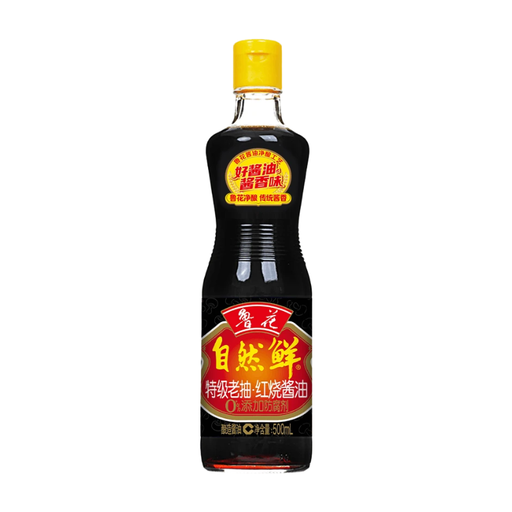
Why it stands out: With an amino acid nitrogen content of ≥0.90 g/100 ml, this braising soy sauce meets the criteria for premium quality. It was specially developed for braised dishes to achieve an intense colour and a distinct umami flavour.
Pros:
Best for: Essential for fans of classic Chinese braised dishes like "Hong Shao Rou" (red-braised pork belly) or braised chicken wings.

Why it stands out: This is a classic, high-quality light soy sauce. It is made through a traditional fermentation process and is distinguished by its rich sauce aroma and excellent umami flavour, with no added preservatives.
Pros:
Best for: An excellent staple for any kitchen that values authentic flavour. Perfect as an everyday seasoning sauce for a wide variety of dishes.

Why it stands out: This soy sauce for seafood is specially formulated to enhance the delicate flavour of fish and seafood rather than overpowering it. It has a balanced sweetness that harmonises perfectly with steamed dishes.
Pros:
Best for: A must-have for anyone who enjoys preparing steamed fish, prawns, or other seafood and is looking for an authentic seasoning.
The world of Asian condiments is vast and diverse. If you're looking for more sauces, oils, or pastes for your culinary experiments, you can find a wider selection of products for your kitchen in our Seasonal Dining category.
Chinese soy sauce is traditionally made from 100% soy or a blend of soy and a smaller amount of wheat. Japanese soy sauce (shoyu) typically uses a soy-to-wheat ratio of about 50:50, which tends to give it a sweeter and more nuanced aroma. Additionally, the distinction between "light" and "dark" is more pronounced in Chinese cuisine.
After opening, soy sauce should be stored tightly sealed in the refrigerator. This slows down the oxidation process and helps preserve the flavour and colour for months. Products without added preservatives should be refrigerated with particular care.
A direct substitution is not recommended, as they serve different functions. If you use light soy sauce in a braised dish, it will lack the typical dark colour and caramel-like depth. Conversely, using dark soy sauce in a light stir-fry would overpower the flavour and make the dish unappealingly dark. For the best results, both types should be used according to their intended purpose.