
Lieferung heute & morgen

Qualitätsgarantie

Willkommens-Angebote freischalten: KOSTENLOSE Lieferung | Bis zu 80 % RABATT | Kostenlose 30-Tage-JoyPlus-Testphase
App herunterladen
Chinese sunflower seeds are a popular snack in many households. Traditionally, they’re served with tea, enjoyed during a film night or shared at parties and get-togethers. But products available from online retailers in Germany can vary considerably: roasted sunflower seeds may be heavily seasoned, some varieties contain sugar and sweeteners, while others have pecan or five-spice flavouring.
If you’re looking to buy Chinese sunflower seeds, don’t just compare brand names and pack sizes. Check the ingredients, net weight, allergens and salt content, and find out whether the seeds are in their shells or already shelled.
A multipack of sunflower seeds or a 500-g bag can be a good choice for families, parties and regular snacking. For the occasional tea break, a 90-g or 108-g pack is easier to keep fresh. Many products should be sealed airtight and stored in a dry place after opening to help preserve their flavour and crunch.
Depending on the recipe, seasoned sunflower seeds may contain salt, sugar, spices, flavourings and approved additives. For example, the ingredients list for Jin Ge Multiflavor Sunflower Seeds 260g includes E952, E950 and E955. Xue Da Kui Multi-Flavored Sunflower Seeds 320g also lists sweeteners.
This isn’t a judgement on quality, but it’s worth considering whether the ingredients suit your diet. If you prefer a simpler flavour, check the ingredients list and nutritional information per 100 g.
A nut and seed mix or snack set may contain peanuts, sesame, soya, pistachios, pecans or wheat as well as sunflower seeds. The Nut and Sunflower Seed Combination, for example, lists peanuts, soya, sesame, molluscs and tree nuts. If you have an allergy, or are buying for a household with children, check the labelling on each individual product.
“Multiflavour” doesn’t describe one standard taste. These products often contain salt, sugar and spices such as star anise, fennel, cinnamon or Sichuan pepper. Sanpangdan Sunflower Seeds Five Spice 90g, for example, lists a five-spice blend of star anise, Sichuan pepper, cinnamon, fennel and cloves.
If you’re considering sunflower seeds with pecan flavour, check whether they contain actual nuts or just flavouring. According to the product information, ChaCha Sunflower Seeds, Pecan Flavor, 108g contains 92.58% sunflower seeds and 0.3% Chinese pecan. Flavouring, sugar, salt and sweeteners are also listed.
Sunflower seeds are high in energy. The products featured here contain around 574 to 614 kcal per 100 g, depending on the recipe. Salt content varies too: Jin Ge lists 5.0 g of salt per 100 g, while ChaCha lists 1.2 g. If you snack on sunflower seeds regularly, choose your portion mindfully and check the information on the packaging.
Roasted sunflower seeds in their shells make for a slower snacking experience, but you’ll need to crack open each one. Some product information states that only the kernel should be eaten. Shelled seeds are better suited to salads, baking or a quick snack, while seeds in their shells are often chosen for sharing with friends and family.
For storage, keep them in a cool, dry place, away from direct sunlight. Seal bags and individual portions tightly after opening. A best-before date is not a use-by date; don’t eat the product if its smell, taste or appearance has changed.
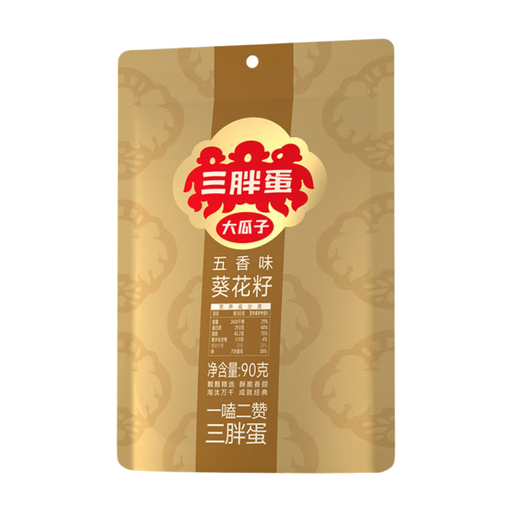
Why it suits this profile: The 90-g pack is a good way to try Chinese snacks without buying a large quantity. The ingredients list includes sunflower seeds, salt and five spices.
The smaller pack reduces the chance of an unfamiliar flavour being left open for a long time. Sweeteners aren’t listed in the ingredients provided.
90 g pack, five-spice recipe and individually sealed packaging, according to the product description.
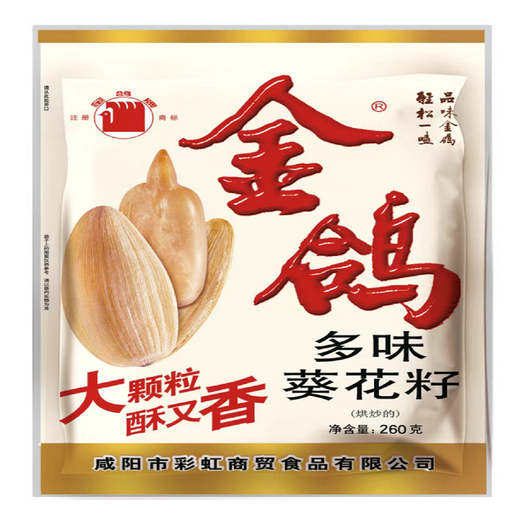
Why it suits this profile: The 260-g pack is aimed at buyers who want to compare a clearly described mixed flavour with detailed nutritional information.
The product information lists the ingredients, allergy advice, salt content of 5.0 g per 100 g and storage instructions.
260 g net weight, made in China and a clearly labelled multiflavour recipe.
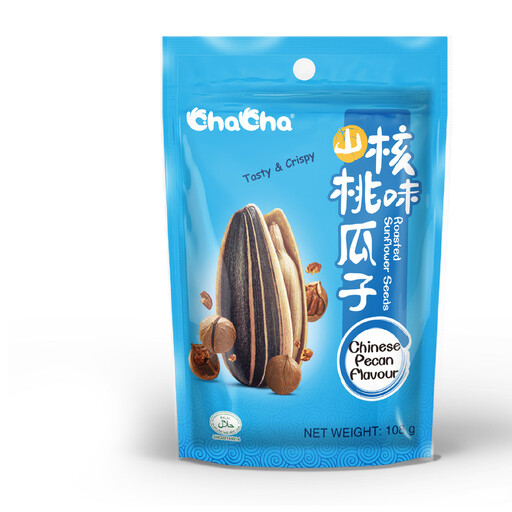
Why it suits this profile: The individually packed 108-g portion is handy for taking on the go, enjoying with a cup of tea or sharing during a film night.
The ingredients list specifies 0.3% pecan, as well as sugar and sweeteners, replacing vague flavour claims with clear details.
108 g pack, 92.58% sunflower seeds and resealable or sealed individual packaging, according to the product information.
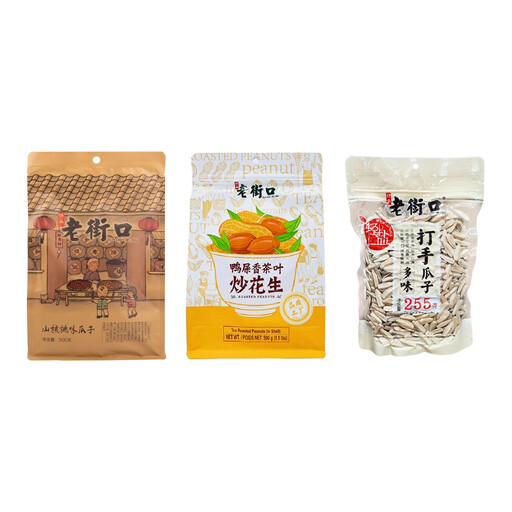
Why it suits this profile: This set combines two varieties of sunflower seeds with 500 g of peanuts, making it a good choice for larger groups, parties or regular sharing.
The quantities and allergens are listed for each item. Check for peanuts, walnuts and other nut ingredients before serving.
Three products, a generous total quantity and a variety of flavours to share.
We’ve put together a complete, regularly updated list of products that meet these strict selection criteria and the safety regulations in force across the EU.
Most of the products featured here are ready to eat straight from the pack. For varieties in their shells, you’ll need to crack open each shell and remove the kernel. Young children should only eat these products under supervision, as they could swallow the shells or kernels.
It depends on the product, packaging and storage conditions. The products featured here should be stored in a cool, dry place and sealed tightly after opening. Individual portions such as the 108-g pack can help reduce exposure to air and moisture. Always follow the best-before date and packaging instructions, and check the smell and taste.
You can’t tell from the flavour description alone. Check the ingredients and allergen information for each product. The ChaCha product mentioned above lists sunflower seeds, sugar, salt, pecan, flavouring and sweeteners; milk is also listed as a possible allergen. For a more informed choice, check the latest packaging information and labelling.