
Lieferung heute & morgen

Qualitätsgarantie

Willkommens-Angebote freischalten: KOSTENLOSE Lieferung | Bis zu 80 % RABATT | Kostenlose 30-Tage-JoyPlus-Testphase
App herunterladen
Chinese sunflower seeds are available in Germany as a varied snack to enjoy with tea, on the go, at social gatherings or during a film night. Alongside classic salted varieties, you’ll find roasted sunflower seeds flavoured with five spices, pecan, honey butter, Sichuan pepper or mandarin peel.
The choice may seem straightforward at first. However, some differences only become clear when you open the pack. If you choose based only on the picture, brand name or flavour description, it’s easy to overlook important details about the shell, allergens, salt content, sweeteners and pack size.
Descriptions such as pecan, crab roe or honey butter often refer to a seasoning flavour. They don’t automatically mean that most of the flavour comes from the named ingredient. For example, ChaCha Sunflower Seeds, Pecan Flavor, 108g contains 0.3% Chinese pecan and 0.2% flavouring. Sunflower seeds make up 92.58% of the product.
So, check the ingredients list to see whether a product actually contains nuts, milk, seafood or mainly flavourings and spices.
Salted sunflower seeds can have quite different salt levels, depending on the recipe. The figures are generally given per 100 g, while a pack might contain 90 g, 108 g, 120 g or 175 g. To compare products, always use the same reference amount.
For example, Lao Jie Kou Five-Spice Flavoured Sunflower Seeds contains 4.35 g of salt per 100 g, while Sanpangdan Five Spice Flavour 168g is listed as containing 658 mg of sodium per 100 g. Sodium and salt are not the same, so you shouldn’t compare the figures directly.
Many traditional products are sunflower seeds in their shells. You crack open the shell and eat the kernel inside. This is a different snack experience from eating shelled, seasoned sunflower seeds.
Look for details such as “Shell required” or “open the shell”. Shelled seeds may be more practical for snacking at your desk, on the train or in the office. For many people, though, cracking the shells is part of enjoying a traditional Chinese snack with tea or during a film night.
If you’re choosing a product with a distinctive flavour, read the full ingredients list. Relevant details may include:
Always follow the allergen information on the current packaging rather than relying on general product descriptions. If you have a known allergy, check for information about possible cross-contamination too.
Small bags of 90 g to 120 g are handy for an individual portion, trying several flavours or taking with you. Larger packs, such as 168 g or 175 g, are a better choice for sharing or keeping a regular supply at home.
After opening, store the seeds in a cool, dry place away from direct sunlight, following the instructions on the pack. Sealing the pack tightly will help keep them crunchy. You’ll find the best-before date and specific storage instructions on the packaging.
Original or lightly salted varieties are a good place to start if you prefer a mild flavour. Five-spice sunflower seeds typically combine star anise, cinnamon, fennel, cloves and Sichuan pepper. Varieties with Sichuan pepper may also have a tingling, spicy má là flavour profile.
If you prefer sweeter notes, try honey butter or pecan. Tea lovers might enjoy the unusual combination of green tea and matcha. For a film night, a selection of different flavours may be more interesting than one large pack.
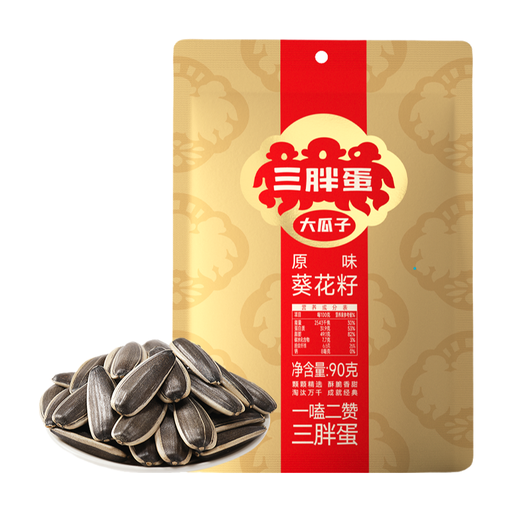
Why it suits this shopper: The 90 g pack is a manageable introduction to traditional roasted sunflower seeds with an original flavour.
The ingredients list is short, naming sunflower seeds and table salt. This makes the seasoning easy to identify.
90 g pack, seeds in their shells and, according to the product information, 15 mg of sodium per 100 g.
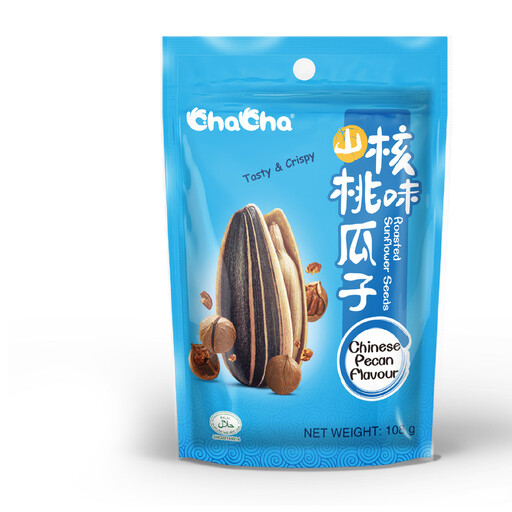
Why it suits this shopper: The pecan seasoning is for shoppers looking for a clearly described nutty flavour in a Chinese snack.
The product information states the pecan content and may include a milk warning. Check the allergen information before eating.
92.58% sunflower seeds, a 108 g pack and, according to the product information, 29 g of protein per 100 g.
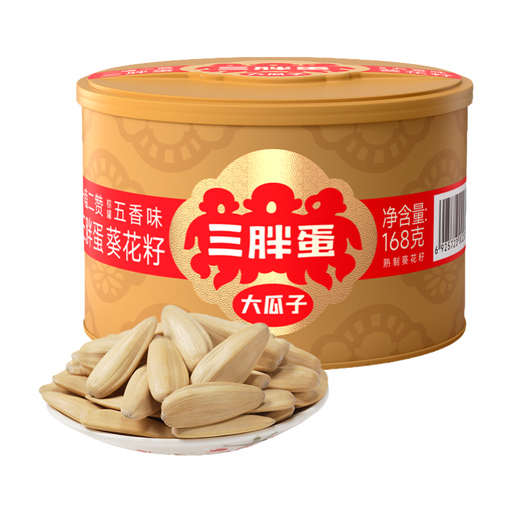
Why it suits this shopper: The 168 g pack is ideal for longer snacking sessions, sharing with others or keeping a regular supply at home.
The flavour profile is described using specific spices, including star anise, Sichuan pepper, cinnamon, fennel and cloves.
168 g pack, thin shells according to the product description, and 658 mg of sodium per 100 g.
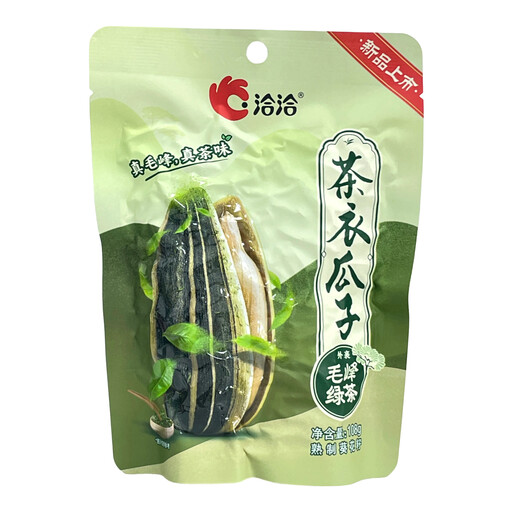
Why it suits this shopper: Green tea and matcha pair roasted seeds with an aromatic seasoning that also makes them a good choice to enjoy with tea.
The product information specifically lists Huangshan Maofeng green tea and matcha as ingredients. No allergens are listed there.
108 g pack, ready to eat and, according to the product information, 31.7 g of protein per 100 g.
We’ve put together a complete, regularly updated list of products that meet these strict selection criteria and fully comply with the safety regulations in force in the EU.
Many products can be eaten straight from the pack. With sunflower seeds in their shells, however, you’ll need to crack open and remove the shell first. “Ready to eat” doesn’t mean you can eat the shell.
The specific best-before date is printed on the packaging. Once opened, store the seeds in a dry, sealed container, away from heat and direct sunlight. Moisture can affect their crunch. For the best flavour, eat them soon after opening.
Packs of 90 g to 120 g may be enough for one person or a small group during a film night. If you’re hosting more guests, you could choose a larger 168 g pack or mix different varieties, such as salted sunflower seeds, five-spice sunflower seeds and a sweet, aromatic option. Make sure the shell, allergens and salt content are right for the occasion.