
Lieferung heute & morgen

Qualitätsgarantie

Willkommens-Angebote freischalten: KOSTENLOSE Lieferung | Bis zu 80 % RABATT | Kostenlose 30-Tage-JoyPlus-Testphase
App herunterladen
The world of Chinese sweets is diverse and fascinating, yet buying them online can be fraught with uncertainty for consumers in the UK and Europe. Those who want to buy Asian snacks often face the challenge of distinguishing genuine flavours from heavily Westernised products. This guide will help you avoid common purchasing traps and find the right products for your palate.
As a Joybuy Product Recommendation Officer, my job is to filter market information and provide you with objective, practical shopping tips so you can make informed decisions.
Many buyers are disappointed when the delivered product doesn't meet their expectations. This is often due to three common problems:
To avoid disappointment, you should check three key aspects before making a purchase. These will help you better assess the quality and authenticity of Chinese sweets.
A look at the brand and country of origin is often the first indicator of authenticity. Established brands from China like Liuliumei, Be&Cheery, or Xue Hai Mei Xiang specialise in traditional snacks and are known in their home market for adhering to specific flavour standards. Products made directly in China for the local market are more likely to offer an unadulterated taste experience.
The ingredient list is your most important tool. Pay attention to the following:
Familiarise yourself with the main categories to narrow down your selection:
Here are some selected products that suit different preferences and occasions.
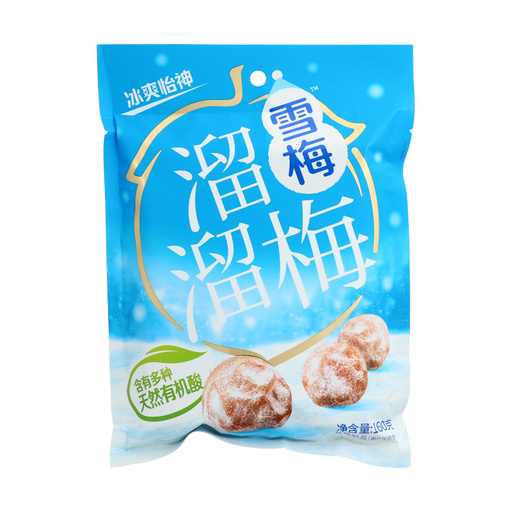
Why This Fits Their Persona: Ideal for those seeking the authentic, complex flavour of preserved plums. This product is reminiscent of the classic snack widely enjoyed across East Asia, often used to stimulate the appetite or as a refreshment.
The product comes from Liuliumei, a well-known brand for preserved fruits. It offers the characteristic sweet-and-sour flavour profile instead of focusing solely on sweetness, thus avoiding the trap of over-Westernisation.
Classic sweet-to-sour ratio; refreshing taste; large pack suitable for sharing.
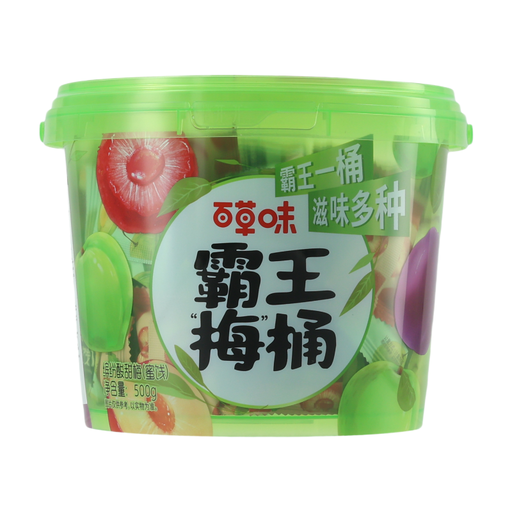
Why This Fits Their Persona: Perfect for the curious who want to dive into the world of Chinese dried fruits. This tub contains five different varieties of preserved plums and fruits, from green plum to Chinese bayberry.
Instead of committing to a single, unknown flavour, this mix allows you to sample different profiles. This minimises the risk of buying a product that doesn't suit your personal taste.
Five different flavours in one pack; ideal for tasting and sharing; ready to eat.
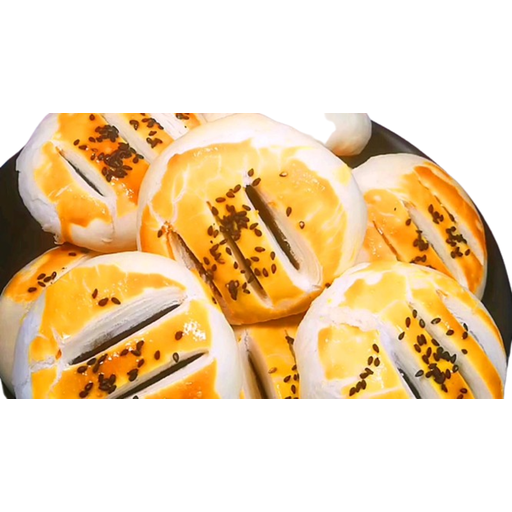
Why This Fits Their Persona: An excellent choice for anyone who appreciates traditional pastries with tea. This Hong Kong-style red bean paste cake offers a delicate, flaky crust and a rich, but not overly sweet, filling.
The product description clearly states the main ingredient (Red Bean Paste 45%) and the type of pastry. This sets clear expectations and avoids disappointment from an unexpectedly sweet or simple taste.
Authentic Hong Kong-style recipe; balanced sweetness; flaky texture that melts in your mouth.
We have compiled a complete, up-to-date list of products that fully meet these strict selection criteria and comply with German regulations.
Most dried and preserved snacks, like Chinese dried fruits or preserved plums, should be stored in a cool, dry place away from direct sunlight. After opening, it's best to keep the products in an airtight container to maintain their freshness and texture.
No, that's a common misconception. Many traditional snacks from China are known for a complex flavour profile that combines sweet, sour, and salty notes. Preserved plums are a great example of this. It's advisable to read the product description carefully to get an idea of the expected taste.
Look for products from established brands, as they often have stricter quality controls. A clear and understandable ingredient list is also a good sign. The fruits themselves should not be dried out or excessively hard. Individual packaging for portions can also indicate higher quality, as it preserves freshness better.