
Lieferung heute & morgen

Qualitätsgarantie

Willkommens-Angebote freischalten: KOSTENLOSE Lieferung | Bis zu 80 % RABATT | Kostenlose 30-Tage-JoyPlus-Testphase
App herunterladen
The world of Chinese tea is fascinating and diverse, but the selection can be overwhelming for consumers. From traditional loose-leaf tea to modern instant drinks, the range of options is vast. Many products promise authenticity, but not all deliver. As your Joybuy Product Recommendation Officer, I'm here to help you navigate the common pitfalls and make an informed choice.
This guide focuses on objective criteria to help you find the perfect tea that matches your preferences, without falling for exaggerated marketing claims.
Before you make a decision, you should be aware of the most common issues that can lead to disappointment.
To avoid these pitfalls, you should focus on three verifiable parameters.
The type of tea determines its fundamental flavour profile. The main categories are:
The form of the tea affects both its quality and convenience of preparation.
Not every tea consists solely of tea leaves.
Here are some recommendations tailored to different needs and preferences.
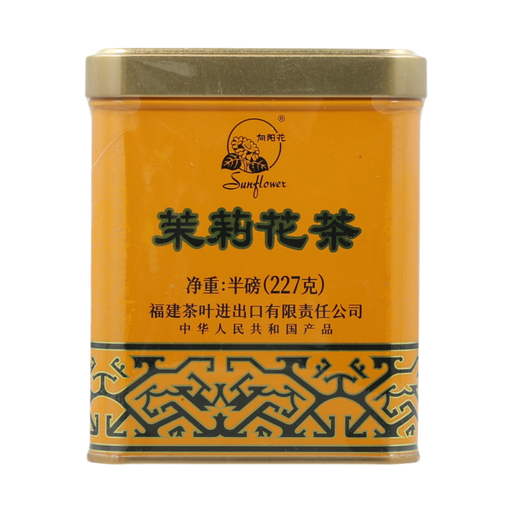
Why This Fits Their Persona: Ideal for those curious to try an accessible and highly aromatic jasmine tea. It offers a straightforward introduction to the world of Chinese tea with a familiar, floral flavour profile.
The ingredients list is clear and simple: just green tea and jasmine blossoms. This bypasses the trap of unclear compositions and artificial flavours.
Classic, fragrant aroma; versatile enough to be enjoyed hot or cold; simple preparation.
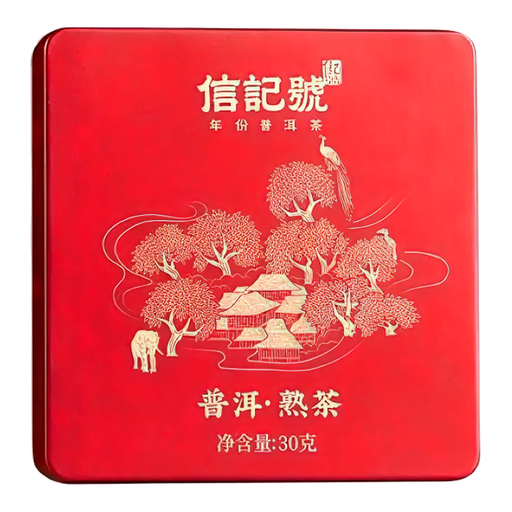
Why This Fits Their Persona: Suitable for experienced tea drinkers who appreciate the deep, earthy character of a ripened Pu Erh tea. The 30g sample size is ideal for getting to know a new variety.
From Bama Tea, an established brand, which ensures reliable origin and traditional processing, thus avoiding the authenticity trap.
Distinctive, smooth, and earthy flavour profile; suitable for multiple infusions, which increases its value.
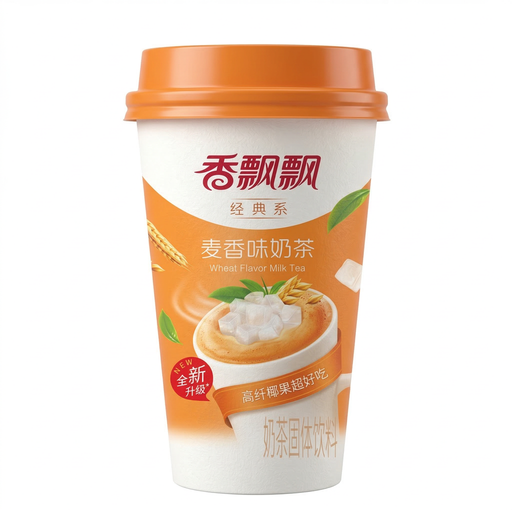
Why This Fits Their Persona: Perfect for anyone who wants to enjoy the taste of milk tea quickly and easily at home. The Xiang Piao Piao brand is very well-known in this segment.
The kit contains separate packets for tea powder, sugar, and coconut jelly. This solves the problem of unclear dosing and allows for individual adjustment of sweetness.
Convenient preparation in minutes; authentic texture with included coconut jelly; customisable sweetness.
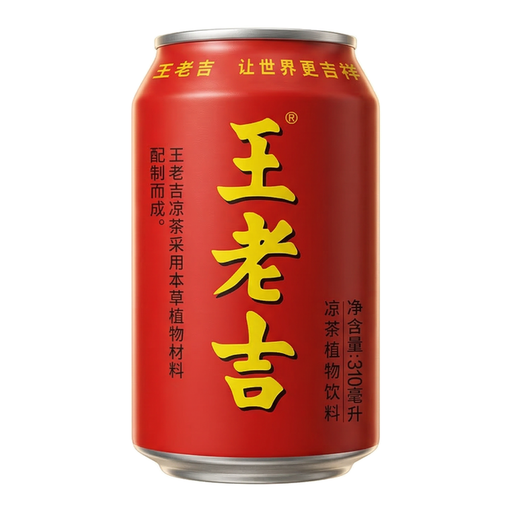
Why This Fits Their Persona: A ready-to-drink option for those seeking authentic, caffeine-free Asian herbal teas. Wang Lao Ji is a heritage brand with high recognition.
As an established brand product with a fixed, well-known recipe, you get a consistent and authentic taste experience, avoiding the trap of vague "herbal tea" blends.
Ready-to-drink, no preparation needed; classic, slightly sweet herbal blend; caffeine-free.
We've compiled a full, up-to-date list of products that fully meet these strict selection criteria and regulations.
To preserve freshness and aroma, loose-leaf Chinese tea should always be stored in an airtight, dry, cool, and dark place. A metal or ceramic tea caddy is ideal. Store tea separately from strong-smelling foods like coffee or spices, as it easily absorbs foreign odours.
The main difference lies in the fermentation process. Chinese green tea is not fermented, which gives it a fresh, often vegetal aroma. Oolong tea, on the other hand, is partially fermented. This process can range from light (approx. 10–20%) to heavy (approx. 60–70%), creating an enormous variety of flavours, from floral and light to fruity and roasted.
Yes, high-quality Pu Erh tea is known and valued for its ability to be steeped multiple times—often five to ten times, or even more. Typically, a first, brief infusion is used to "rinse" the leaves and is then discarded. The subsequent infusions are short (e.g., 20–30 seconds) and are slightly extended with each round. Each infusion can release new nuances of flavour.