For a small sweet treat
You only want a little chocolate before your workout and don’t want to break off a portion from a bar. A small, individually wrapped bar makes the portion clear, while the stated weight shows you exactly how small it is.


If you fancy a small chocolate snack before a workout, an individually wrapped bar with a clearly stated weight makes it easier to choose a portion. Compare the carbohydrates and fat in the bar you’ll actually eat, rather than assuming that the chocolate’s format tells you how much is right for your workout. If you have allergies, always check the label for the specific variety.
You only want a little chocolate before your workout and don’t want to break off a portion from a bar. A small, individually wrapped bar makes the portion clear, while the stated weight shows you exactly how small it is.
If you’re packing a bar to eat later, its weight and individual wrapping are useful things to consider. A pack containing several individually wrapped bars is different from a single tablet of chocolate.
If you need to avoid certain ingredients, check the label for the specific variety. The products considered here contain different combinations of milk, soya, wheat and hazelnuts; warnings about possible traces may also be relevant.
Start with the weight of each piece. Then check the nutritional information for that portion and see whether the ingredients and type of chocolate suit you.
| Criteria | What to check when buying | Who it matters most to |
|---|---|---|
| Portion size | Weight per bar and number of individually wrapped pieces. | If you only want to take a small sweet treat with you, you’ll want a clearly defined portion. For around 27 % of consumers, portion size would be the main consideration. |
| Carbohydrates | Carbohydrates per bar you eat, rather than just per 100 g; the German Nutrition Society describes carbohydrates as important for providing energy during sport. | If you want to keep track of your carbohydrate intake before a workout, the term ‘chocolate bar’ alone isn’t enough. Around 33 % of consumers would give this factor top priority. |
| Ingredients and allergens | The ingredients list and allergen information for the specific variety, including possible traces. | If you need to avoid certain ingredients, you can’t choose based on the brand or packaging colour alone. For around 27 % of consumers, checking this would come first. |
| Type of chocolate | Whether it’s milk or dark chocolate, a filled bar or a wafer bar. | Once the portion and ingredients are right, your preferred type may be the deciding factor. For around 13 % of consumers, taste would be the most important reason for choosing. |
Portion sizes vary considerably: a 12.5-g kinder Chocolate bar contains 6.7 g of carbohydrates, while REWE lists 18 g for a 31.5-g Milka Nussini bar. Comparing the figures per 100 g alone doesn’t tell you how much you’ll eat in one piece.
Look for the nutritional values per bar. If the pack only gives figures per 100 g, calculate them based on the stated weight of each piece.
According to the German Nutrition Society, carbohydrate requirements during sport depend on factors including the duration and intensity of exercise and body weight. So the nutritional information for one bar won’t tell you how much is right for every workout.
Think of the bar as a single snack portion, not as a guide to your overall needs around a workout.
Milk and soya are relevant allergens in kinder Chocolate; according to REWE, Milka Nussini contains wheat and hazelnuts, among other ingredients. Ingredients can differ even between bars that look similar.
Before buying, read the ingredients list and allergen information for the variety you’re actually choosing.
A segmented bar is easy to break into pieces, but it doesn’t determine how many you’ll eat. Schogetten lists 55 g of carbohydrates and 35 g of fat per 100 g for Edel-Alpenvollmilch; the number of pieces you eat determines your portion.
If you’d rather take pieces from a chocolate bar than bring an individual bar, decide on the amount beforehand.
kinder Chocolate is an example of a small, individually wrapped milk chocolate bar, weighing 12.5 g per piece.
Nussini is a chocolate-coated wafer bar which REWE lists as one 31.5-g portion.
Lindt offers individually wrapped chocolate sticks and bars; Double Lait is a 38-g bar.
Schogetten is an alternative if you’d rather choose pieces from a chocolate bar than have a wrapped individual bar.
Here, Ritter Sport represents chocolate bars that you can compare with a portioned bar when shopping.
REWE is a retailer, not a chocolate bar manufacturer; its product information can help when comparing bar sizes.
This selection includes chocolate and wafer bars in multipacks, as well as individually portioned wafer biscuits. Check whether you’d prefer a classic bar or a similar biscuit format, and compare the weight per piece.
 No image available
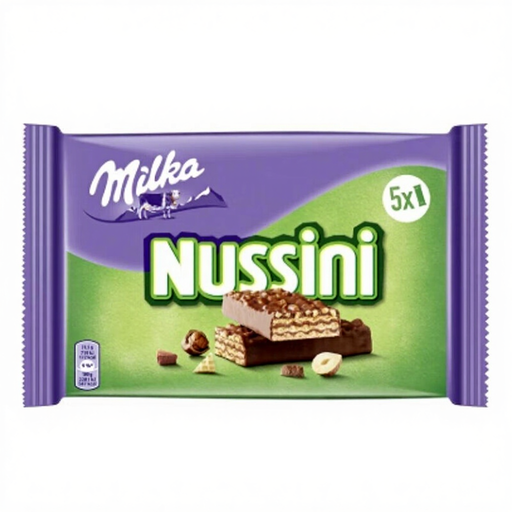
A good option if you’re looking for a chocolate-coated wafer bar with a clearly stated weight per piece. REWE lists 18 g of carbohydrates and 10 g of fat for one 31.5-g Nussini bar. If you have allergies, check the ingredients on the specific pack.
 No image available
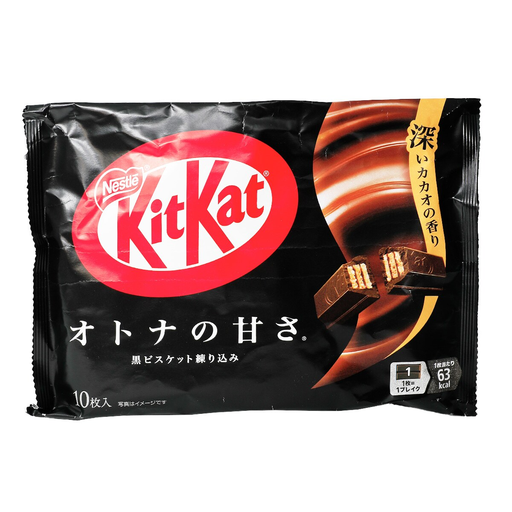
An option if you’d like a chocolate wafer bar from a multipack. The pack contains ten pieces weighing 113 g in total; check the information per piece on the specific pack to find the nutritional values for your portion.
 No image available
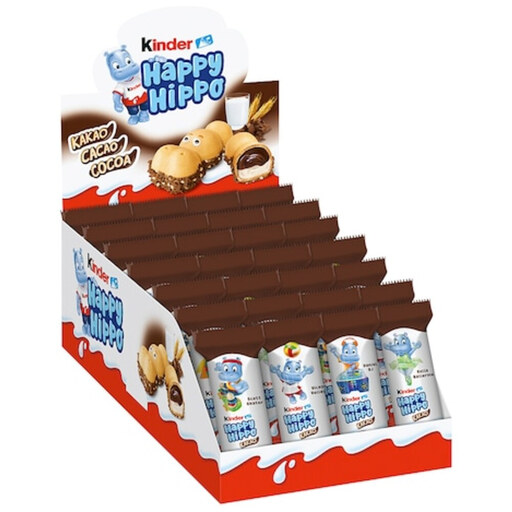
A good option if you’re open to a wafer biscuit rather than a classic chocolate bar. The product name states that the pack contains 28 pieces weighing 20.7 g each. Compare the ingredients and nutritional information on the specific pack with your requirements.
 No image available
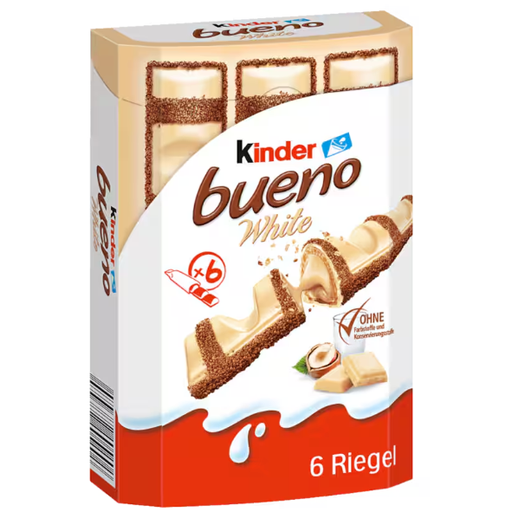
A good choice if you’re looking for a white chocolate wafer bar in a pack of six. The product name states that each bar weighs 19.5 g. If the carbohydrate content per piece matters to your decision, check the nutritional information on the pack.
 No image available
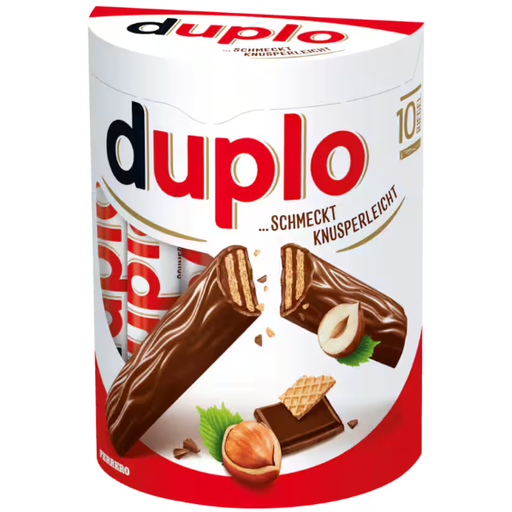
A good option if you want a chocolate wafer bar with a stated weight per piece. The product name says the pack contains ten bars weighing 18.2 g each. Check the nutritional information and ingredients on the specific pack before choosing a variety.
One chocolate bar can be a small snack portion, but it won’t tell you on its own what you should eat before a workout. The German Nutrition Society describes carbohydrates as important for providing energy during sport; your needs depend on factors including the duration and intensity of exercise and your body weight.
Check the weight per bar, the nutritional information for the amount you’ll actually eat, and the ingredients and allergen information. The Consumer Advice Centre lists ingredients and allergens as essential information on packaged foods; for your choice, what matters is the label for the specific variety.
No, the ingredients can differ. kinder Chocolate contains milk and soya; REWE lists wheat, hazelnuts, milk and soya, among other ingredients, for Milka Nussini. Even with familiar brands, always check the packaging for the variety you’ve chosen.