For a short, easy ride, an individually portioned chocolate bar can be a treat or a back-up snack. Compare the nutritional values per bar, rather than just per 100 g. On longer rides, it shouldn’t replace all your other provisions. The German Sport University Cologne recommends 30 to 60 g of carbohydrates per hour for exercise lasting 1 to 2.5 hours; how much an individual bar contributes depends on its portion size.
Who is a single bar right for?
Cyclists who plan their ride nutrition
If you plan your carbohydrate intake carefully on longer rides, what matters is how much each bar you actually eat contributes. A chocolate bar can be part of your selection, but your drinks and the rest of your provisions need to fit the plan too. The German Sport University Cologne gives recommended carbohydrate amounts per hour for longer training sessions.
Everyday cyclists looking for a little snack
An individually wrapped portion can be handy for a leisurely ride or a break. When comparing options, check the weight of each bar and whether you can keep it protected from heat while you’re out.
Cyclists who need to check ingredients
If certain ingredients or allergens matter to you, check the specific variety before buying. The products covered here contain different combinations of milk, soya, wheat and nuts; precautionary ‘may contain’ information can also be important.
What should you look for when choosing one?
First, decide whether the bar is mainly a little treat for the road or a planned part of your ride provisions. Then compare the information for the portion you’ll actually take with you and eat.
| What matters |
What to check |
Who it matters to |
| Planned carbohydrate intake |
Compare the carbohydrates and fat per bar with your planned provisions for the length of the ride. |
On a longer ride, I want to know how my snack contributes to my carbohydrate plan without losing sight of my drinks. This planning need is a priority for around 42% of consumers. |
| Portion size and carrying |
Check the weight of each bar, whether it’s individually wrapped and the storage instructions for that specific variety. |
For an easy ride, I want to pack exactly one small snack and know its portion size in advance. This convenience matters most to around 33% of consumers. |
| Ingredients and allergens |
Read the ingredients list, declared allergens and any precautionary ‘may contain’ information on the pack. |
If I need to avoid certain ingredients, the labelling for the variety I choose will determine whether I buy it. This check takes priority for around 25% of consumers. |
Common buying misconceptions
-
Confusing values per 100 g with values per bar
Portion size affects how much you actually eat. Kinder gives the weight of a Kinder Riegel as 21 g; according to REWE, one Milka Nussini bar weighs 31.5 g.
Look for nutritional information per portion on the pack. If it only gives values per 100 g, remember to take the weight of each bar into account too.
-
Planning to rely on a chocolate bar for all your ride provisions
A bar can contribute carbohydrates, but on its own it doesn’t tell you whether your food and drinks will be enough for the whole ride.
Factor the carbohydrates per bar into your ride plan and remember your drinks. Don’t try a new snack for the first time on a long ride.
-
Assuming the allergens from the type of chocolate
A darker appearance or a general product name doesn’t tell you which allergens are in that specific recipe. Lindt lists milk, wheat, hazelnuts and soya for CHOCO WAFER; the manufacturer lists milk and soya for Kinder Riegel.
Read the ingredients list and any precautionary ‘may contain’ information on the pack, rather than relying on the product photo or brand name.
-
Ignoring heat while you’re out
Milka Nussini should be stored in a dry place and protected from heat. On a warm ride, the texture of the chocolate may change.
Follow the storage instructions for the variety you choose and, if possible, keep the bar out of direct sunlight.
Brands and ranges to consider
The examples vary in format: alongside individual bars, you’ll find blocks and chocolate that can be portioned into pieces. The information on the specific product is what matters.
Lindt
Lindt’s range includes chocolate bars and sticks in smaller portions.
- According to Lindt, each CHOCO WAFER Milk & Hazelnut bar weighs 30 g.
- For this bar, Lindt lists 52 g of carbohydrates and 34 g of fat per 100 g, with milk, wheat, hazelnuts and soya among the ingredients. Its format alone doesn’t make it a complete source of ride nutrition.
Milka
Milka Nussini is a wafer chocolate bar; REWE sells a pack of five bars, each weighing 31.5 g.
- REWE lists 18 g of carbohydrates per Nussini bar. This makes it easier to compare the amount per bar you eat.
- Each bar also contains 10 g of fat; the listed ingredients include wheat, hazelnuts, milk and soya.
Kinder
Kinder Riegel is an individual 21 g portion of milk cream and whole milk chocolate.
- Kinder gives the nutritional values for a single bar: 11.2 g of carbohydrates and 7.4 g of fat.
- This portion contributes only part of a planned carbohydrate intake. The manufacturer lists milk and soya as ingredients.
Schogetten
Schogetten Edel-Alpenvollmilch is a chocolate block divided into pieces, not an individually wrapped bar.
- You can break off pieces from the block for a break.
- For this variety, Schogetten lists 55 g of carbohydrates and 35 g of fat per 100 g. To compare it with an individual bar, factor in the portion you’ll actually take with you.
Ritter Sport
REWE stocks various 100 g Ritter Sport blocks, including Marzipan and Alpenmilch.
- You can break a block into pieces if you want to decide on your own portion size.
- A block you can break into pieces isn’t the same as an individually wrapped bar. Check the portion size and nutritional information for the variety you choose.
REWE
Here, REWE is a retailer selling chocolate bars from various brands, not a single bar brand.
- Product details such as the weight of each Milka Nussini bar can help you compare specific varieties.
- Always check the ingredients and nutritional information for the bar you’ve chosen and its current packaging, rather than assuming they’re the same across a range.
Joybuy: portioned snacks for your ride
This selection includes chocolate and wafer bars, as well as Kinder Country, a cereal bar with chocolate. They’re all worth considering as portioned snacks for the road; on longer rides, you’ll also need to think about how each portion fits into your overall provisions.
 No image available
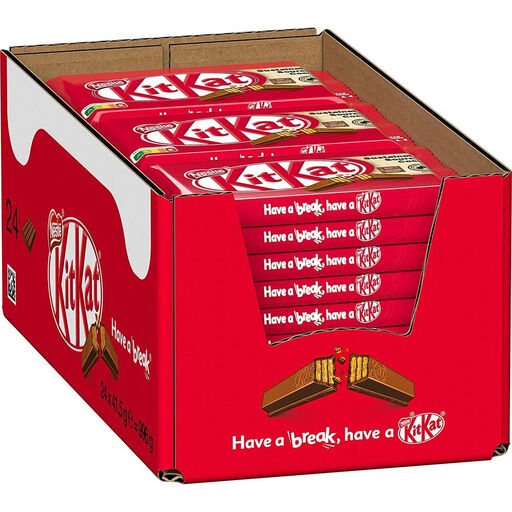
KitKat Classic milk chocolate wafer bars, 24 × 41.5 g
The individually wrapped bars are a good choice if you want to take a set portion along for a break.
A 41.5 g bar contains 24.4 g of carbohydrates and 11.6 g of fat. Wheat and milk are listed as allergens; protect from heat.
View on Joybuy
 No image available
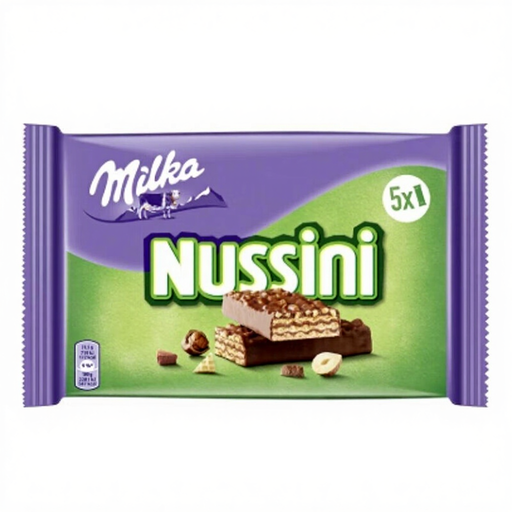
Milka Nussini hazelnut wafer bars, 5 × 31.5 g
The individually wrapped bars make handy, portioned chocolate snacks for the road.
REWE lists 18 g of carbohydrates and 10 g of fat per 31.5 g bar. Wheat, hazelnuts, milk and soya are listed for this variety; store in a dry place and protect from heat.
View on Joybuy
 No image available
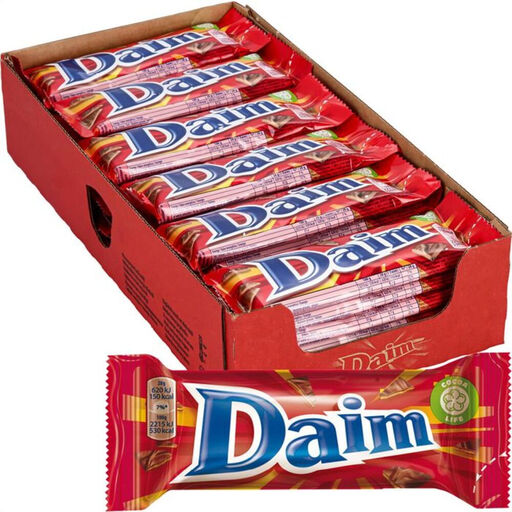
Daim Crunchy Caramel milk chocolate bars, 36 × 28 g
The individually wrapped 28 g bars are an option if you want to take small portions along for breaks.
Each bar contains 16.5 g of carbohydrates. Almonds, milk and soya are listed as allergens. Before planning, check the energy value per bar against the information on the pack.
View on Joybuy
 No image available
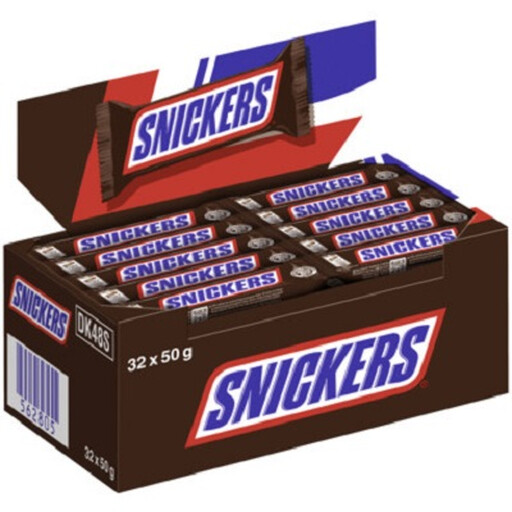
Snickers Peanut & Caramel milk chocolate bars, 32 × 50 g
The 50 g bar format is worth considering if you’d prefer a larger chocolate snack rather than a smaller portion.
For your ride, check the carbohydrates and fat per 50 g bar, along with the packaging of the individual bars. Peanuts, milk, soya and egg are listed, as well as possible traces of nuts; the stated storage temperature is 5–22 °C.
View on Joybuy
 No image available
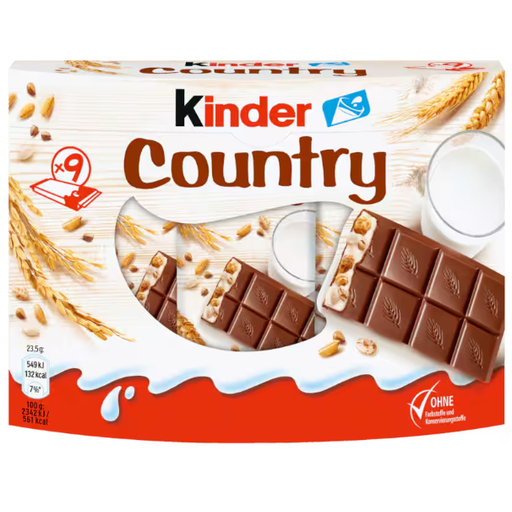
Kinder Country cereal bars with milk chocolate, 9 × 23.5 g
The nine individually wrapped 23.5 g bars are a good choice if you want to take a small, portioned cereal-and-chocolate snack with you.
If you’re following a carbohydrate plan, check the nutritional information per bar on the pack. Allergens listed include gluten from several cereals, milk and soya.
View on Joybuy
Frequently asked questions
Can a chocolate bar be part of your provisions for a long bike ride?
Yes, as a planned part of your provisions or as a treat, but not automatically as your only source of fuel. The German Sport University Cologne recommends 30 to 60 g of carbohydrates per hour for 1 to 2.5 hours of training. Compare this with the information per bar, and plan drinks and other provisions for your ride.
Why are nutritional values per bar more useful than values per 100 g?
Values per portion show what the piece you actually eat contributes. Kinder lists 11.2 g of carbohydrates and 7.4 g of fat for a 21 g bar; REWE lists 18 g of carbohydrates and 10 g of fat for a 31.5 g Milka Nussini bar.
Is dark or vegan-labelled chocolate automatically free from milk, nuts or soya?
No. Check the ingredients list and any precautionary ‘may contain’ information for the specific variety. The German Food Federation explains that allergenic ingredients must be identified in the ingredients list; voluntary precautionary information can also flag possible unintended traces.
How should I carry a chocolate bar on a warm bike ride?
Follow the storage instructions on the specific pack and, if possible, keep the bar out of direct sunlight. Milka Nussini, for example, should be stored in a dry place and protected from heat; warmth can change the texture of the chocolate.


