Solo hikers planning a break
If you only want to take chocolate for one break, a bar with a stated weight makes it easier to plan your portion. Lindt and Kinder list individually wrapped formats, while you’d need to divide up a larger bar yourself.


For a solo hiking break, choose a bar with a clearly stated portion size and packaging that’s easy to carry. Check the ingredients and any potential allergens for the specific variety. On longer or hot walks, chocolate should only be part of your provisions: plan to take drinks and other food, too, and keep the bar away from heat.
If you only want to take chocolate for one break, a bar with a stated weight makes it easier to plan your portion. Lindt and Kinder list individually wrapped formats, while you’d need to divide up a larger bar yourself.
If there are certain ingredients you need to avoid, the labelling on the variety you buy matters more than the brand name. Lebensmittelverband Deutschland recommends checking the ingredients list for allergen information; also look out for any may-contain warnings.
You can plan to have a bar during a break, but it shouldn’t replace all your other provisions. Planning your route and drinks is particularly important in hot weather; Deutscher Alpenverein highlights the strain caused by high temperatures.
For a hiking break, start by deciding what size portion you want and checking the ingredients. Then consider how the bar fits in with your other provisions and the weather.
| What to consider | What to check when buying | Who it matters to |
|---|---|---|
| Single portion | Compare the net weight of each bar and check whether it’s individually wrapped. A multipack isn’t the same as a single bar sold on its own. | I want to open exactly one portion for a break and avoid carrying an opened bar; around 24% of consumers prioritise portion size. |
| Ingredients and allergens | Read the ingredients list on the specific pack and check any may-contain warning. A vegan label doesn’t answer every question about allergens. | If I need to avoid certain ingredients, I check the packaging before deciding; around 29% of consumers put ingredient suitability first. |
| Provisions for the walk | Compare the nutritional information per bar with the figures per 100 g, and take other food and drinks on longer walks. | On a longer walk, I want to treat the bar as part of my provisions rather than rely on it alone; around 29% of consumers give this planning priority. |
| Heat and carrying | Take the weather and storage instructions into account, and keep chocolate protected from direct sunlight and pressure. | On a warm walk, I want my portion to be easy to carry until my break; around 18% of consumers see handling in warm weather as their main concern. |
You can divide pieces of a larger bar between several breaks. Once opened, though, you’ll need to carry the rest with you and keep it protected.
If you only need enough for one break, check the packaging and net weight. If you’re taking a larger bar, you can set aside the amount you want before you set off.
A vegan recipe doesn’t, by itself, tell you whether a product contains nuts, ingredients containing gluten or possible traces. Ritter Sport points out that traces may be present even in varieties whose recipes don’t include certain ingredients.
If you have specific dietary requirements, check the ingredients list and information on the current packaging.
A bar isn’t a complete set of provisions for a walk. Bergfreunde Basislager recommends a range of nutrients for hiking snacks; in hot weather, Deutscher Alpenverein also stresses the importance of staying hydrated.
Plan the bar as an addition to drinks and other food. Keep your chocolate protected from sunlight and pressure while you’re out.
The amount you actually take with you makes a difference: a bar could weigh 12.5 g, 21 g or 38 g. Kinder and Lindt list these portion sizes for some of their individual formats.
Compare the energy and sugar figures per piece, or work out the figures for your portion using the information per 100 g.
Not every chocolate format that can be divided into portions is an individually wrapped bar. These examples can help you check the packaging format before you choose.
Lindt Deutschland sells individually wrapped sticks and bars; its Double-Lait bar is listed as a 38-g format.
Kinder Deutschland lists the classic kinder Riegel at 21 g per piece and also sells smaller, individually portioned chocolate bars.
Schogetten sells, among other options, 100-g packs of chocolate that’s already divided into pieces.
Ritter Sport also describes vegan 100-g bars, including its Crispy Cookie variety, which is made without milk in the recipe.
The Milka Extra range introduced by Milka includes 190-g bars in a variety of flavours.
These multipacks contain bars with a stated weight per piece, so you can choose a portion for a hiking break. Before you set off, check the packaging of the individual piece; with Snickers, it’s particularly important to see whether the bars are individually wrapped.
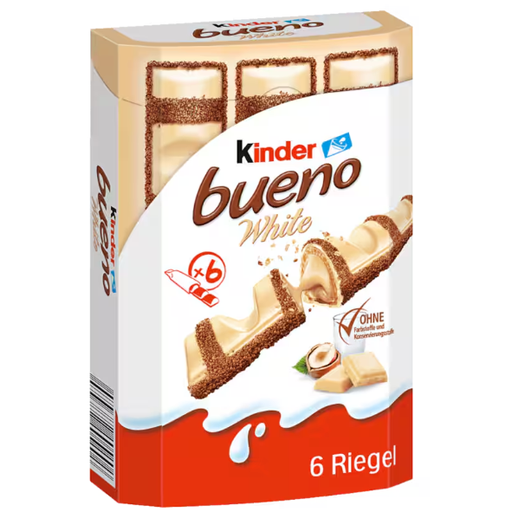 Image unavailable
You can plan to have one wafer bar from the multipack during a break.
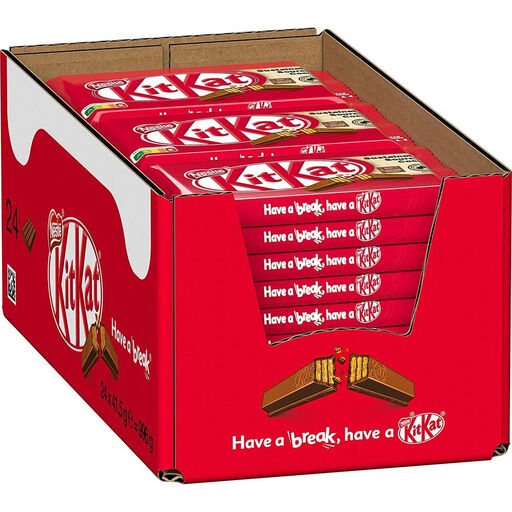 Image unavailable
This pack is a good option if you want to choose one bar for your hiking break and leave the rest at home.
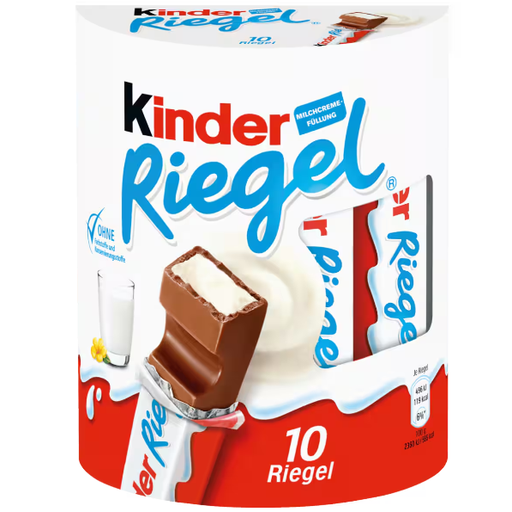 Image unavailable
You can take one bar from the ten-pack for a small chocolate treat during a break.
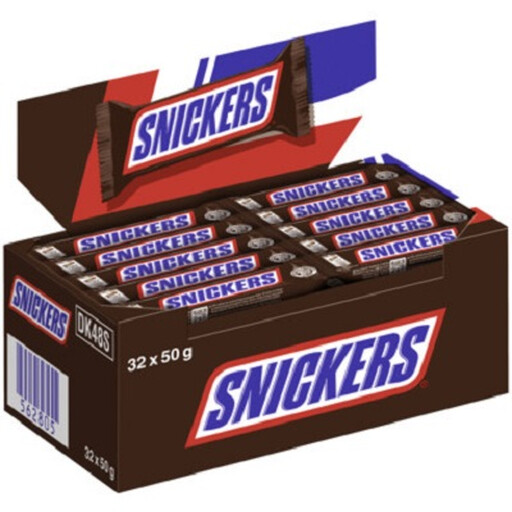 Image unavailable
A 50-g bar is a larger portion for a break; the pack contains 32 bars.
No, you shouldn’t rely on a chocolate bar alone for a longer walk. Bergfreunde Basislager recommends a range of nutrients for hiking snacks; take drinks and other suitable food with you, too.
Check the ingredients list on the specific pack and look out for any may-contain warnings. Lebensmittelverband Deutschland identifies the ingredients list as the key place to find allergen information.
No, “vegan” alone doesn’t tell you that. Read the ingredients and any may-contain warnings for the variety you choose; Ritter Sport points out that traces may be present even in recipes that don’t include certain ingredients.
Keep them in your rucksack, protected from direct sunlight and pressure, and follow the storage instructions on the pack. Remember to take enough drinks in hot weather, too; Deutscher Alpenverein highlights the strain caused by high temperatures.