What to look for when buying
First decide whether you want the biscuit for a break or to eat during a longer ride. Then you can make a meaningful comparison of the portion format, nutritional information and ingredients for the specific variety.
| What to consider |
What to check when buying |
Who it matters most to |
| How well it sits during exercise |
Compare the carbohydrates and fat per 100 g and for your planned portion. Try the variety and quantity on a training ride. |
On a long or intense ride, I don’t want to plan on eating a firm snack that I’ve never tried during exercise. Around 45 % of consumers prioritise how well it sits and carbohydrate planning when making this choice. |
| Portion size and portability |
Check the size of the individual biscuits or bars and whether they’re individually wrapped inside the pack. |
For a break, I want to take a manageable amount rather than treat the whole pack as one portion. Portioning is the main concern for around 33 % of consumers. |
| Ingredients and allergens |
Read the ingredients list and allergen information for the variety you’ve chosen, including any ‘may contain’ warnings. |
If I need to avoid an ingredient, the labelling for the exact variety determines whether it’s suitable for me. This check comes first for around 22 % of consumers. |
Retailer information for the varieties reviewed shows why portion size matters: REWE lists 67 g of carbohydrates and 20 g of fat per 100 g for Leibniz Minis Choco, 61 g of carbohydrates and 25 g of fat per 100 g for Leibniz Choco Vollmilch, and 59 g of carbohydrates and 26 g of fat per 100 g for Leibniz Vollkornkeks Choco. These figures apply to the specific varieties; they don’t tell you how much you’ll need on a ride or which one you’ll tolerate during exercise.
Relevant brands and retailers
The names below help put the biscuit formats reviewed into context. When deciding what to buy, it’s the information for the specific variety that matters, not just the brand or retailer.
Leibniz
The varieties compared under this name included mini, classic chocolate butter biscuit and wholegrain options.
- REWE lists nutritional information per 100 g for each of the three varieties reviewed. This makes it easier to compare the carbohydrates and fat in a planned portion.
- The format and ingredients vary by variety. In particular, check the allergen information on the pack you intend to buy.
Bahlsen
Bahlsen describes a product family that includes LEIBNIZ Choco biscuits, wafers and PiCK UP! bars.
- The range of formats gives you a starting point for considering biscuits and bars separately as snacks for a break.
- Being part of the same product family doesn’t tell you the nutritional information or how well a particular variety will sit while cycling.
REWE
This retailer provides product information for several chocolate butter biscuits, including the Leibniz varieties reviewed.
- Information for each variety makes it easier to compare chocolate content and nutritional values.
- A range overview alone won’t tell you how well a product will suit you personally or whether it’s available at a particular location.
EDEKA / GUT&GÜNSTIG
The GUT&GÜNSTIG chocolate biscuit bar reviewed is a filled, individually wrapped bar rather than a classic chocolate butter biscuit.
- EDEKA lists nine individually wrapped bars for this variety and provides nutritional information per 100 g.
- The variety reviewed contains milk, wheat and soya; possible traces of tree nuts are also listed. Always follow the labelling on the pack you buy.
Chocolate biscuits and biscuit bars at Joybuy
This selection includes small chocolate-coated biscuits, biscuit bars and biscuit sticks for a planned break on your ride. The products come in different formats; that alone doesn’t tell you whether they’re suitable during longer rides.
 No image available
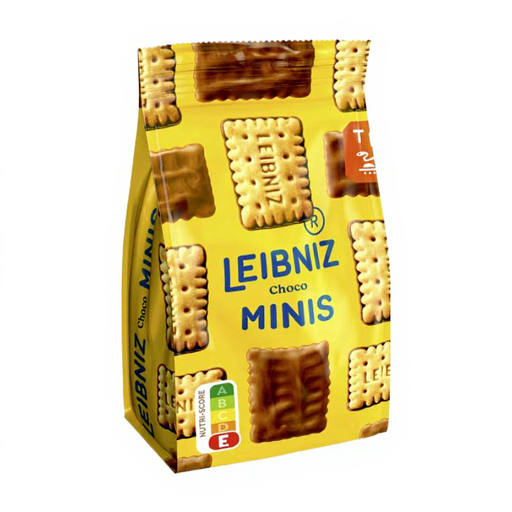
Leibniz Minis Choco with milk chocolate, 125 g
The small biscuits are easy to portion into individual bites for a break. The 125-g pack size isn’t the same as your planned serving. For the variety reviewed, REWE lists 67 g of carbohydrates and 20 g of fat per 100 g; try your portion on a training ride and check the allergen information on the pack you buy.
View at Joybuy
 No image available
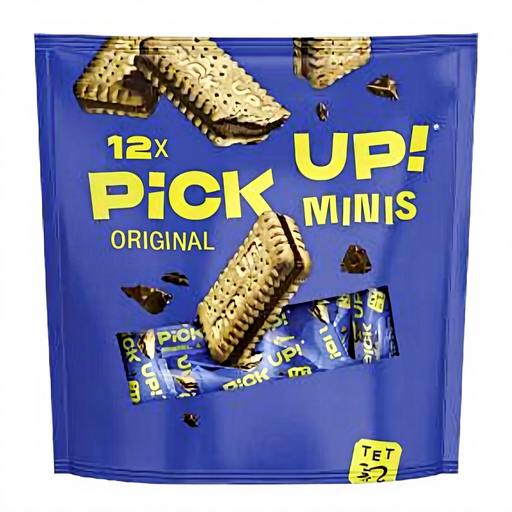
PiCK UP! Minis Original chocolate biscuit bars, 127 g
The mini bar format may suit you if you’d rather take a biscuit bar than loose biscuits for a break. The pack contains 127 g, but decide on your portion independently of the pack weight. Check the ingredients and allergens on the specific pack, and try the bar before a ride where you plan to eat it during exercise.
View at Joybuy
 No image available
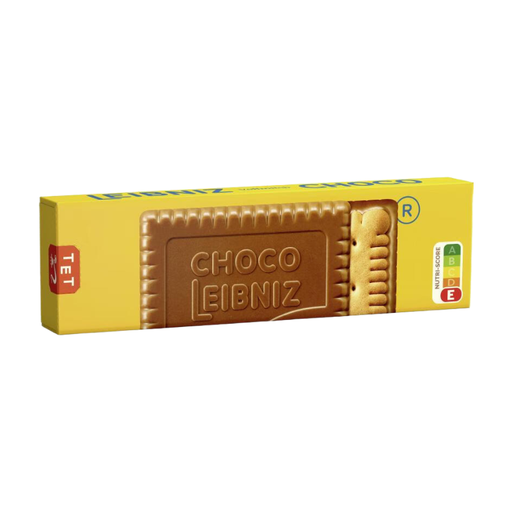
Leibniz Choco Chunks butter biscuits, 125 g
These butter biscuits are an option for a carefully portioned break if you prefer a classic biscuit format. The pack contains 125 g. Check the nutritional information and allergens for this Choco Chunks variety on its own pack, rather than assuming they’re the same as another Leibniz Choco variety.
View at Joybuy
 No image available
Leibniz Zoo animal biscuits with milk chocolate, 125 g
These animal-shaped biscuits are a small-format option for a break; the pack contains 125 g. Their shape alone doesn’t determine a portion size or how well they’ll sit while cycling. Check the nutritional information, ingredients and allergen details on the pack for this variety.
View at Joybuy
 No image available
Yummy Yummy Double Coated Biscuit Sticks, Chocolate Popping Candy Flavour, 45 g
The 45-g pack and stick format may work for a planned break if you’d rather take biscuit sticks than butter biscuits. Before buying, check the full ingredients list and allergen information on the pack; don’t infer them from the flavour name.
View at Joybuy
Frequently asked questions
Are chocolate biscuits suitable as fuel for a long or intense cycle ride?
Not as a one-size-fits-all solution. During longer and more intense exercise, the type, amount and timing of your carbohydrate intake matter. Verbraucherzentrale and a review article published in Nutrients discuss this kind of planning and trying foods beforehand. Test a specific biscuit and portion during training before planning to eat it on a ride like this.
Mini biscuits or chocolate biscuit bars: which are easier to portion?
Mini biscuits are easy to split into small bites, while an individually wrapped bar gives you a defined portion for a break. Whether a bar is individually wrapped depends on the specific product. Also compare the pack format and nutritional information for the varieties you’re choosing between.
Is a wholegrain chocolate biscuit always the better choice for cycling?
No. The word ‘wholegrain’ doesn’t determine how well a biscuit will sit during a ride. For the Leibniz Vollkornkeks Choco variety reviewed, REWE lists 4.5 g of fibre per 100 g, compared with 3.2 g per 100 g for the classic Leibniz Choco Vollmilch. If you want to eat either biscuit during exercise, try the specific variety and portion beforehand.
What should I check before buying if I have an allergy?
Check the ingredients list, allergen information and any ‘may contain’ warnings on the pack of the exact variety. The chocolate biscuits and biscuit bars reviewed contain different ingredients, so you can’t rely on the information for a similar-looking variety.
How should I carry chocolate-coated biscuits on a warm ride?
Follow the storage instructions on the pack and keep the biscuits away from heat and direct sunlight while travelling. Before your ride, also consider whether the pack format you’ve chosen is easy to stow for your planned break-time portion.


