A small group at breaktime
If a few classmates are sharing, the key is choosing a quantity that works for the group. The Leibniz examples listed by REWE come in different formats: 228 g of filled biscuits and 125 g of mini biscuits.


For a small group, loose chocolate biscuits or mini biscuits could work, provided there are enough for everyone and the pack is easy to share at breaktime. If everyone needs their own portion, individually wrapped biscuit bars are another option, although they are a different type of product. Check the ingredients and allergens on the specific pack before sharing, and bear in mind that chocolate can melt in warm weather.
If a few classmates are sharing, the key is choosing a quantity that works for the group. The Leibniz examples listed by REWE come in different formats: 228 g of filled biscuits and 125 g of mini biscuits.
If everyone should have their own snack, the number of separate portions matters more than a pack of loose biscuits. EDEKA describes its GUT&GÜNSTIG chocolate biscuit bars as nine individually wrapped bars.
If anyone in the group needs to avoid certain ingredients, or the journey to school is warm, check the labelling on the specific pack and consider how you’ll transport it. The products described have different allergen information. The Lower Saxony State Office for Consumer Protection and Food Safety also points out that chocolate can melt when taken as a snack for breaktime.
First decide whether the group will share loose biscuits or have separate portions. Then check the pack size, ingredients and transport conditions for your shared school break.
| What matters | What to check | Who it matters to |
|---|---|---|
| Enough to share | Compare the pack weight in grams and, if listed, the number of biscuits with the size of your group. | If I’m bringing biscuits for a small group, I want enough to share without having to take an open pack of leftovers home. For around 42% of consumers, having a suitable amount to share is the main priority. |
| Individual portions | Check how many units are explicitly individually wrapped, and distinguish between bars and loose biscuits. | If everyone should have their own snack, I don’t want to hand them out from an open pack. Separate portions are the main priority for around 33% of consumers. |
| Allergens and warm weather | Read the ingredients, allergen information and any may-contain warnings on the pack you buy; consider how to transport it in warm weather. | Before sharing, I need to know whether the ingredients are suitable for the group and whether the chocolate will stay intact until breaktime. For around 25% of consumers, these checks come first. |
The formats described range from 125 g of mini biscuits to 228 g of filled biscuits and 300 g with nine bars. The size of the outer pack alone doesn’t show how easily its contents can be shared among your group.
Before buying, think about how many people will be sharing and compare the pack weight and any stated number of pieces.
The Leibniz biscuits described by REWE contain ingredients including wheat, milk and egg; the packaging also warns that almonds and hazelnuts may be present. EDEKA lists milk, wheat and soya among the ingredients of its GUT&GÜNSTIG bar. This information is specific to each product.
Before sharing, check the current ingredients and allergen information on the exact pack you’re bringing.
Chocolate can melt, making the biscuits messy to hand out. The Lower Saxony State Office for Consumer Protection and Food Safety specifically highlights this as an issue with chocolate as a breaktime snack.
In warm weather, consider choosing a snack without chocolate that can melt, or keep the pack out of the sun and heat until breaktime.
Individually wrapped bars can be handed out as separate portions. But they aren’t necessarily a substitute for a pack of loose biscuits for everyone to share, and they come with extra packaging.
First decide how the group wants to eat and share the snack, then compare products in the format that suits you.
REWE lists products including Leibniz Minis Choco, 125 g, and Leibniz Keks 'n' Cream Schoko, 228 g. This gives you the option to compare mini biscuits with a larger pack of filled biscuits.
Bahlsen lists a range of biscuits, wafers and assortments on its website for sharing on different occasions. This describes the range, not whether a particular pack is suitable for a school group.
EDEKA describes a 300 g pack of chocolate biscuit bars containing nine individually wrapped bars. It could be a good option if the group needs separate portions rather than loose biscuits.
REWE stocks a 125 g pack of ja! dark chocolate biscuits. This is a different pack size from the larger packs described.
These products offer two options for the school break: share biscuits from a larger pack or plan how many people to serve using the stated number of pieces. Wafer biscuits are an alternative to classic loose chocolate biscuits; check the individual product to see whether the pieces are separately wrapped.
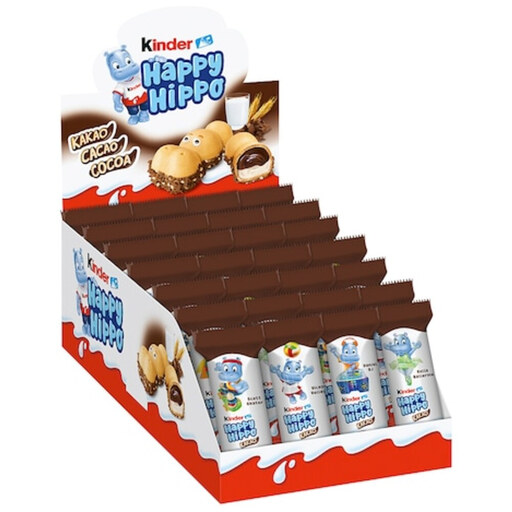 No image available
If you’re planning how many to hand out, you can count on 28 wafer biscuits at 20.7 g each. Before sharing, check the current allergen information and whether the pieces are individually wrapped for the way you want to hand them out.
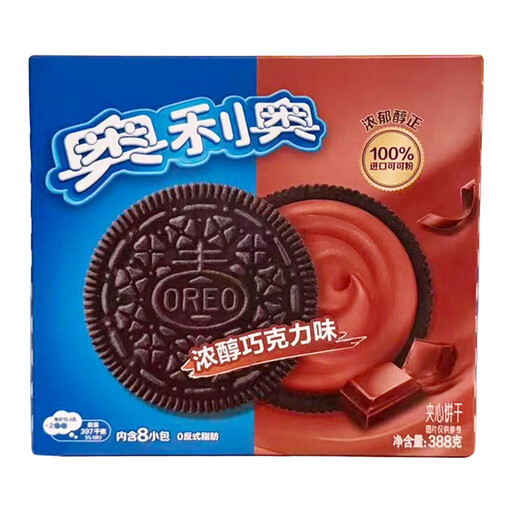 No image available
The 388 g pack could work if your group wants to share filled chocolate biscuits. Before buying, check that the number of biscuits and pack format suit the size of your group; read the ingredients and allergen information on the pack before sharing.
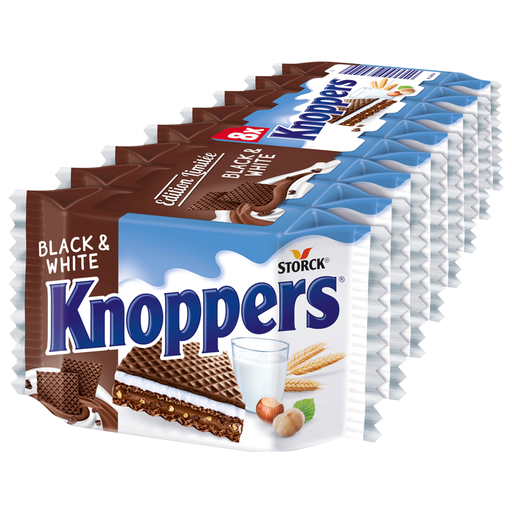 No image available
If you’re planning for a group of up to eight, you can allow for eight wafer biscuits at 25 g each. This is a wafer format rather than a bag of loose chocolate biscuits; check whether they’re individually wrapped and read the allergen information on the specific pack.
If everyone should have their own portion, individually wrapped products are easier to hand out than loose biscuits. EDEKA lists nine individually wrapped bars in its 300 g pack of GUT&GÜNSTIG chocolate biscuit bars. Loose biscuits can also work for a small group, as long as there are enough and everyone is happy to share.
Chocolate can melt on the way to school, making the biscuits awkward to share. The Lower Saxony State Office for Consumer Protection and Food Safety therefore describes chocolate as unsuitable for school breaktime snacks; in warm weather, a snack without chocolate that can melt is an alternative.
Yes. If the ingredients matter to anyone in the group, always check the labelling on the actual pack you’ve bought. The Leibniz biscuits and GUT&GÜNSTIG bar described contain wheat or gluten-containing cereals; don’t assume the same applies to other products.
It depends on the recipe. The Leibniz examples described by REWE contain milk and egg, and state that almonds and hazelnuts may be present. EDEKA lists milk and soya for the GUT&GÜNSTIG bar described, and says that tree nuts may be present. Always check the label on the specific product before sharing it with the group.