
Lieferung heute & morgen

Qualitätsgarantie

Willkommens-Angebote freischalten: KOSTENLOSE Lieferung | Bis zu 80 % RABATT | Kostenlose 30-Tage-JoyPlus-Testphase
App herunterladen
Chocolate biscuits are an easy go-to snack for families, coffee breaks, lunchboxes or when you’re out and about. There’s plenty to choose from, including classic sandwich biscuits, filled chocolate biscuits and Japanese snacks such as Pocky and Hello Panda. But packaging and familiar brand names don’t necessarily tell you whether a product suits your needs.
International specialities often come in small bags or individual packs. A 25, 50 or 66-gram pack can be handy on the go, but won’t last long if you regularly share it with the family. So don’t just compare the price per pack: check the net weight and price per 100 grams too.
“Choco” in a product name might refer to cocoa powder, a cream filling or a cocoa-based fat glaze. If you’re looking for chocolate biscuits made with milk chocolate, check the ingredients list. Ingredients are listed in descending order by weight. Terms such as “milk chocolate”, “cocoa mass” or “cocoa butter” can help you work out what’s in the product. However, the cocoa content alone doesn’t tell you everything about its flavour.
Wheat, milk, soya, egg and nuts are found in many biscuits and chocolate wafers. Even products with similar packaging can have different recipes. If you’re buying for children or anyone with an allergy or intolerance, always check the current information on the packaging. It’s also worth checking the portion size: nutritional values are usually given per 100 grams, while a pack may contain considerably less or more.
Three ingredients make a noticeable difference to filled chocolate biscuits:
Cocoa sandwich biscuits such as classic Oreo biscuits typically consist of two cocoa biscuits with a cream filling. A product such as Oreo Cocoa Crunch Roll reimagines the idea as crispy wafer rolls. The texture is different from round sandwich biscuits, making it a good way to add variety to your snack selection.
Small individual packs such as 25 or 50-gram Pocky are handy for lunchboxes or the commute. Larger bags and packs are more practical for sharing, serving with coffee or keeping in the cupboard. Chocolate coatings can be delicate, so take care with storage: cool and dry, away from direct sunlight is generally best. Always follow the specific storage instructions on the packaging.
Nutrition tables make it easier to compare products objectively, but they’re no substitute for personalised dietary advice. The products mentioned here, for example, contain around 454 to 567 kilocalories per 100 grams. This mainly shows how much recipes can vary depending on ingredients such as cream, chocolate, nuts or wafers.
Pay particular attention to:
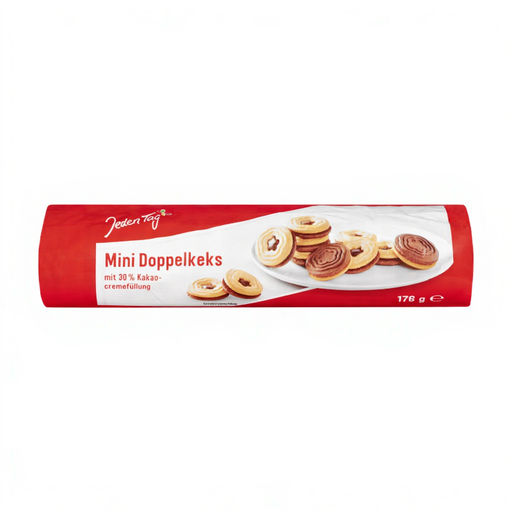
Why it suits this shopper: The 176g pack contains plenty of mini cocoa sandwich biscuits for lunchboxes, coffee breaks or sharing at home.
The pack weight is clearly stated, and the pack is better suited to several servings than a very small individual pack.
Mini size, cocoa cream filling and, according to the product information, a resealable pack or a snack option that stays suitable for a short time after opening.
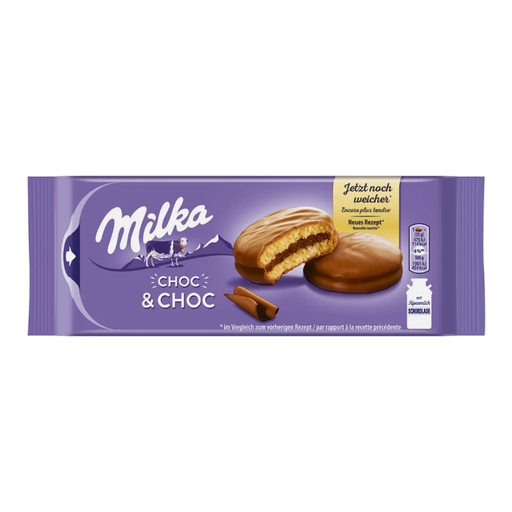
Why it suits this shopper: The recipe combines a soft chocolate biscuit with cream, chocolate chips and a coating of Alpine milk chocolate.
The product description specifically names the different chocolate ingredients, rather than making a vague claim about cocoa flavour.
175g pack, chocolate chips and declared allergens including wheat, milk, egg, soya and hazelnut.
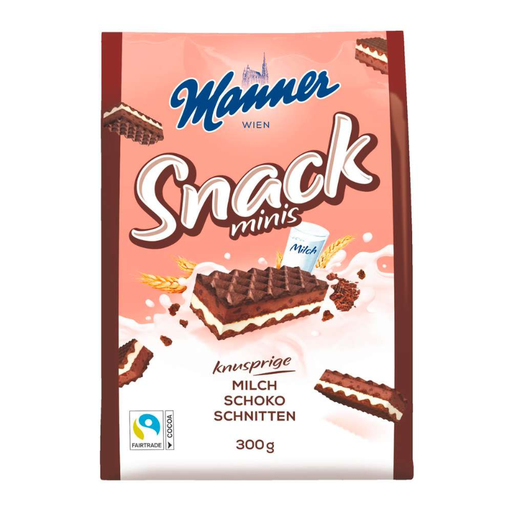
Why it suits this shopper: The large pack of mini chocolate wafers is ideal for offices, family get-togethers, decorating desserts or stocking up.
The net weight of 300 grams makes the pack size clear and reduces the risk of mistaking a small portion for a larger supply.
Mini wafer format, milk chocolate coating and ingredient information listing milk powder, cocoa and hazelnuts.
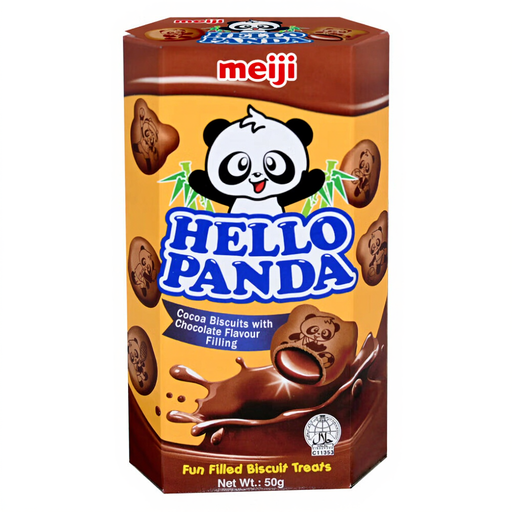
Why it suits this shopper: These small filled biscuits with panda designs make a portion-sized Japanese snack for children and sharing platters.
The 50g pack is clearly portioned. Wheat, milk and soya are also listed as allergens.
Double chocolate filling, bite-sized pieces and product information advising storage in a cool, dry place.
We’ve put together a complete, regularly updated list of products that meet these strict selection criteria and fully comply with the safety regulations in force in the EU.
If you prefer classic Oreo biscuits, Oreo Original Vanilla Cream Filled Cocoa Sandwich Cookies come in a 176g pack with cocoa biscuits and vanilla cream. For a less usual shape, BOURBON Hamburger Chocolate Biscuits pair two cocoa biscuits with a cream filling. Fans of Japanese snacks can also compare Meiji Mushroom Shaped Chocolate Strawberry Biscuits, Glico Pocky with double chocolate or Pocky with almonds.
For a more traditional choice, consider Leibniz biscuits with milk chocolate, filled Leibniz Keks & Choco or Manner wafers. Pack size, ingredients and allergens still matter most – not just a familiar logo on the packaging.
Small, dry products that are ready to eat are handy. Mini sandwich biscuits, Hello Panda or Pocky are easy to portion. In warm weather, take care when storing products with chocolate coatings, as they can soften.
The best-before date is printed on the packaging. Store unopened biscuits in a cool, dry place, away from direct sunlight. Once opened, seal the pack tightly and eat the biscuits soon to help keep them crisp and full of flavour.
Check the full ingredients and allergen information for the specific product. Chocolate biscuits often contain wheat, milk or soya; some varieties also contain egg, hazelnuts or almonds. If the packaging or recipe has changed, always follow the current information on the pack.