For days out and longer journeys
If you’re taking biscuits on a picnic or a car journey, the key is keeping them dry and away from heat until you’re ready to eat them. The storage advice on the pack can help you plan.


Chocolate-coated biscuits are a good choice for a summer outing only if you can carry them somewhere dry and away from heat, and eat them soon afterwards. A car left in the sun is not a suitable place to store them. Then choose between butter biscuits, wholemeal biscuits and filled wafers, as well as between milk and dark chocolate. For nutritional information and allergens, check the label on the specific pack rather than relying on the type alone.
If you’re taking biscuits on a picnic or a car journey, the key is keeping them dry and away from heat until you’re ready to eat them. The storage advice on the pack can help you plan.
If you want to compare chocolate content, sugar, fibre or allergens, check the information for each variety. Values per 100 g make it easier to compare packs of different sizes.
A chocolate-coated butter biscuit and a filled chocolate wafer offer different biscuit bases and textures. If you choose a variety with hazelnut cream, check the allergen information too.
For the summer holidays, think first about transport and storage, then about the type, ingredients and quantity you need. The percentages shown refer to consumers for whom each consideration is the main priority when choosing.
| Criteria | What to check | Who it matters to |
|---|---|---|
| Heat and transport | Read the storage advice and plan to carry the biscuits somewhere dry and away from heat. Don’t leave them in a parked car. | For a day out, I want to take the pack out shortly before eating rather than leave it in the sun for a long time. Around 36% of consumers prioritise keeping biscuits protected during transport. |
| Ingredients and nutritional information | Compare sugar and fibre per 100 g, along with the ingredients and highlighted allergens on the current pack. | If certain ingredients matter to me, I want to check the specific recipe before packing biscuits to share. This comparison is a priority for around 29% of consumers. |
| Chocolate and biscuit base | Choose between milk and dark chocolate, and between butter biscuits, wholemeal biscuits and filled wafers. | For a snack platter, I might be looking for a particular type of chocolate or the different texture of a wafer. Around 21% of consumers focus mainly on this when choosing. |
| Quantity to share | Match the pack size to the number of people sharing and when you plan to eat the biscuits. | For a shared break, I want to bring an amount we’re likely to finish soon. This is the main consideration for around 14% of consumers. |
The Verbraucherzentrale (German consumer advice centre) points out that a car left in the sun can easily reach temperatures of over 30 to 40 °C. REWE specifically advises that ja! Vollmilch Schokokeks biscuits should be stored in a dry place and kept away from heat.
Take only the amount you’re likely to need for your outing, and keep it somewhere shaded and away from heat until you’re ready to eat.
The varieties differ in more than just their names: REWE describes Leibniz Vollkornkeks Choco as containing 53% milk chocolate, while classic Leibniz Choco butter biscuits contain 63%. EDEKA lists 63% chocolate for each of its milk and dark chocolate butter biscuits.
First decide which biscuit base and type of chocolate you’d like. Then compare the nutritional information using the same measure, such as per 100 g.
A filled wafer is not the same kind of product as a chocolate-coated butter biscuit. Bahlsen describes Ohne Gleichen Vollmilch as wafers with hazelnut cream; the declared ingredients in classic biscuits also vary by type.
If you have allergies, check the ingredients and allergen information on each specific pack, even if you already know another variety from the same brand.
Product information in an online shop may differ from what’s on the pack. As the Lebensmittelverband Deutschland (German Food Association) explains, a best-before date that has passed doesn’t automatically mean an unopened product stored appropriately has gone off.
When you buy, check the ingredients, allergens, pack size, storage advice and best-before date on the pack. If the date has passed, check the condition of the product; don’t eat it if you can see mould.
The examples below can help you distinguish between product types and pack information. These features apply to the specific varieties mentioned, not necessarily to a brand’s entire range.
The 125 g varieties described by REWE show the difference between classic Choco butter biscuits and Vollkornkeks Choco wholemeal biscuits.
Bahlsen describes Ohne Gleichen Vollmilch as wafers filled with hazelnut cream and covered in milk chocolate.
EDEKA describes chocolate-coated butter biscuits made with milk and dark chocolate.
REWE describes ja! Vollmilch Schokokeks as a 125 g variety containing 63% milk chocolate.
Lidl sells Sondey as its own brand of sweet biscuits and pastries.
This selection includes butter biscuits with milk or dark chocolate, as well as a portioned hazelnut wafer bar. Choose based on the type of biscuit you’d like, and check the storage advice and allergens on the relevant pack before taking it with you.
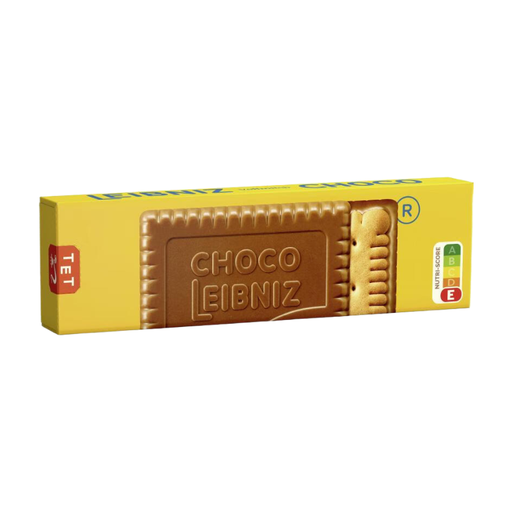 Image unavailable
A butter biscuit option for snack time; the pack contains 125 g.
Keep away from heat when taking these on a summer outing, and check the ingredients and allergens on the current pack.
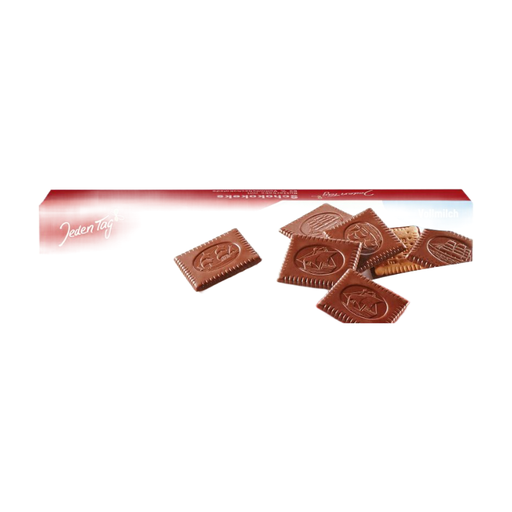 Image unavailable
A 125 g pack for anyone looking for milk chocolate butter biscuits to share.
Keep away from heat when carrying them, and follow the storage advice on the pack after opening.
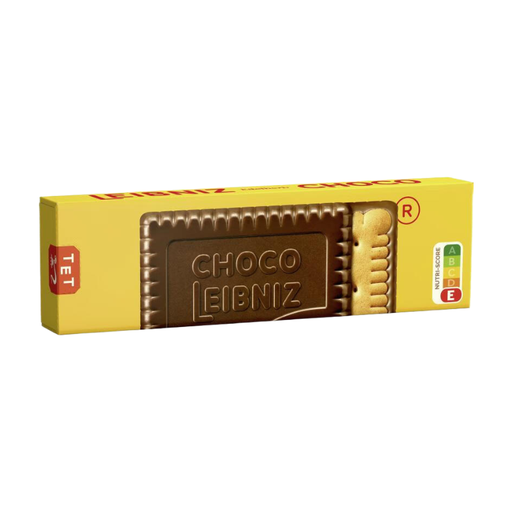 Image unavailable
A 125 g butter biscuit option for when you’d prefer dark chocolate to milk chocolate.
To compare it with other varieties, check the nutritional information per 100 g and keep the pack away from heat.
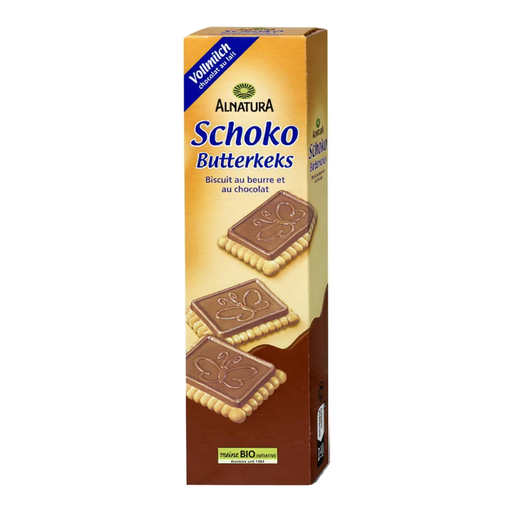 Image unavailable
A 130 g option of butter biscuits with milk chocolate to suit the quantity of snacks you’ve planned.
If you have allergies, check the ingredients and allergen information on the current pack. This variety should also be kept away from heat.
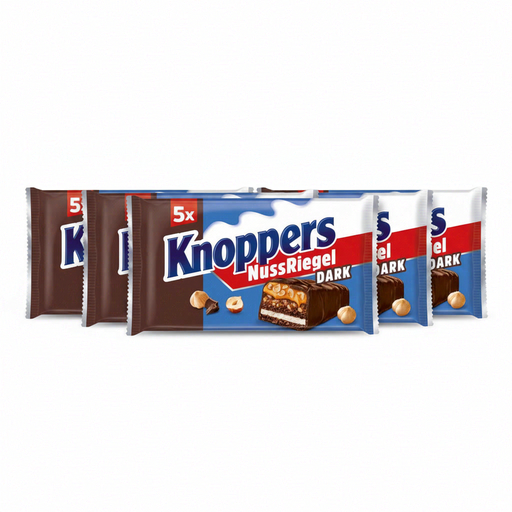 Image unavailable
An alternative to butter biscuits, with five 40 g portions for sharing at snack time.
Remember to check for hazelnuts when checking allergens, and keep the bars away from heat and moisture.
Yes, as long as you can keep them dry and away from heat until shortly before you eat them. A car left in the sun isn’t suitable for storing them: according to the Verbraucherzentrale (German consumer advice centre), temperatures there can easily rise above 30 to 40 °C.
No, the type of chocolate alone isn’t enough to tell you. Check the ingredients and allergen information on the current pack. According to EDEKA, both of the GUT&GÜNSTIG chocolate-coated butter biscuit varieties described contain milk, wheat and soya, and may contain traces of nuts.
No. According to the Lebensmittelverband Deutschland (German Food Association), a best-before date isn’t an automatic use-by date. For unopened products stored appropriately, the condition of the packaging and product matters once the date has passed; biscuits with visible mould shouldn’t be eaten.