Runners planning their fuelling
On long runs, you’ll want to know how many carbohydrates you’re taking on during exercise. What matters is the portion you actually eat, not simply whether it’s labelled as chocolate or a snack.


A box of chocolates can make a suitable gift or a portionable treat to enjoy after a run, but it shouldn’t automatically replace your fuel during a long run. If you’re planning to take on carbohydrates during exercise, you need to know how much each portion contains and make sure you’ve tested how well you tolerate it during training. Chocolate varies in ingredients and portion sizes depending on the type.
On long runs, you’ll want to know how many carbohydrates you’re taking on during exercise. What matters is the portion you actually eat, not simply whether it’s labelled as chocolate or a snack.
You’re looking for something to give, share or enjoy after training, without presenting it as race-day fuel. The format, flavour and recipient’s preferences come first.
You may want to take out or share individual pieces, while also checking the ingredients, allergens and ‘may contain’ information for the specific variety. With a mixed box, it’s worth checking every type included.
First, decide whether you plan to eat the chocolate while running or give it as a gift to enjoy after training. Then check the portion size and ingredients of the specific pack.
A good fit if: You want to plan a specific amount of carbohydrates per hour during a long run.
Bear in mind: The amount, fluid intake and how well you tolerate it need to fit your own fuelling plan, tested during training.
A good fit if: Sharing and flavour after the run matter more than carefully planned fuel during it.
Bear in mind: Individual pieces don’t automatically make a box of chocolates a suitably portioned running fuel.
| Criterion | What to check when buying | Who it matters most to |
|---|---|---|
| Carbohydrates during a run | Carbohydrates per 100 g and in the portion you actually plan to eat; also compare the ingredients, fat and fibre. | If I eat something on long runs, I want to plan how many carbohydrates I’m taking on and try the product during training first. Around 44% of consumers put this fuelling need first. |
| Gifting and sharing | Check the format, how many pieces can be taken out and the portion weight of the specific pack. | As a post-run gift, I’m looking for something that’s easy to share and suits the recipient’s preferences. For around 33% of consumers, gifting and enjoyment are the main priorities. |
| Ingredients and tolerance | Read the ingredients list, declared allergens and ‘may contain’ information for each variety; if eating it around a run, consider how well you personally tolerate it. | With a box containing several varieties, I need to know what’s in each piece. This check is the main buying consideration for around 23% of consumers. |
For intense exercise lasting 1 to 2.5 hours, a review published on PubMed recommends 30–60 g of carbohydrates per hour. A box of chocolates doesn’t specify how much you’ll eat or how well you’ll tolerate it.
If you plan to eat chocolate during a run, work out the carbohydrates in the portion you’ll actually have and try it during training first. Precise fuelling isn’t the reason to buy a gift for after your run.
A high cocoa content doesn’t tell you by itself how a bar fits into your fuelling plan. REWE lists 29 g of carbohydrates, 48.2 g of fat and 12.3 g of fibre per 100 g for its Beste Wahl 80% dark chocolate.
Choose dark chocolate for its flavour if it’s to be given as a gift or enjoyed as a treat. If you plan to eat it around a run, check the nutritional information for the specific variety and consider how well you’ve found it agrees with you.
Chocolate products can vary considerably in their ingredients and ‘may contain’ information. When buying a gift, choose something that suits the recipient, not just their taste preferences.
If needed, ask about allergies and intolerances, then read the ingredients and allergen information on the specific pack.
Individually wrapped bars or pre-divided chocolate pieces are easy to share. But their format doesn’t tell you how many carbohydrates are in the amount you actually eat.
Choose bite-sized pieces for sharing or portioning. If you want to eat them during a run, also check the stated amounts and follow the fuelling plan you’ve tested.
Milka offers Alpine milk chocolate bars in a range of formats. For a small chocolate gift, pack size may matter more than whether it can be used while running.
Lindt offers, among other options, milk chocolate bars and dark EXCELLENCE bars. This can be helpful when you want to choose a familiar favourite as a gift.
Kinder chocolate could suit anyone looking to give or share small bars that can be taken out individually.
Schogetten is an option if you want to take out or share individual pieces of chocolate.
The 80% dark chocolate is a dark bar for people who prefer this cocoa flavour.
These Joybuy products are chocolates and pralines for a gift, sharing or enjoying after a run. If you’re planning to eat something while running, what matters instead is the carbohydrate content of the portion you’ll actually have and whether you’ve tested how well you tolerate it.
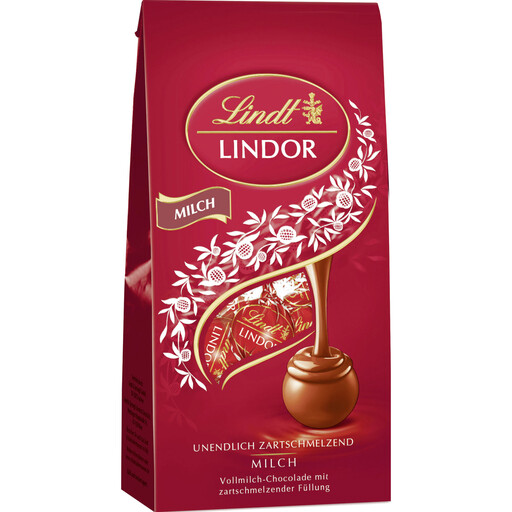 Image unavailable
A chocolate treat to share or give as a little post-run gift. If you’re planning to use individual truffles as running fuel, check their portion weight and carbohydrate content. If you’re giving them as a gift, pay particular attention to the information about milk, soya, barley and possible nut traces.
 Image unavailable
This assorted box is made for sharing as a post-run chocolate gift. The information for each variety is especially important for anyone with allergies; the product details list milk, peanuts, wheat, barley, soya and egg, among other ingredients.
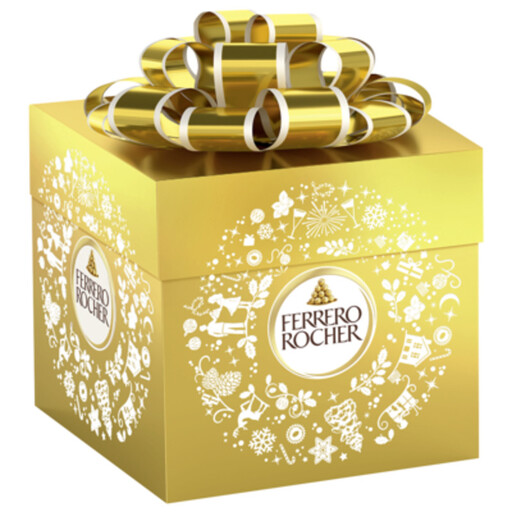 Image unavailable
This gift box is an option to take along or share after training. Before giving it as a gift, check the labelling for hazelnuts, milk, soya and gluten-containing ingredients. For a running portion, you’d also need to consider the nutritional values for the pieces you actually eat.
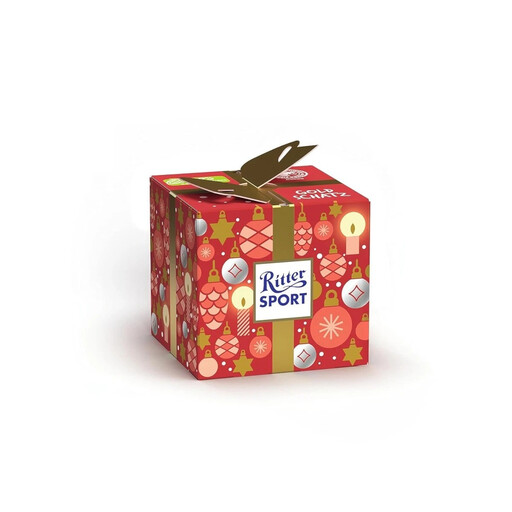 Image unavailable
These small chocolate squares make a gift that’s easy to share. When choosing a gift for someone else, check the pack for milk, hazelnuts, soya and other possible allergens rather than assuming each square is a suitable portion for a run.
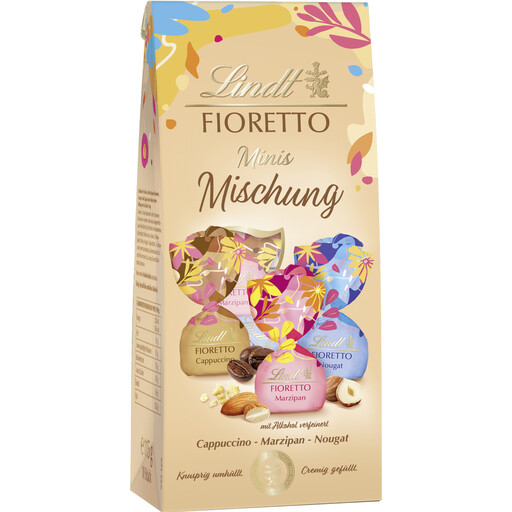 Image unavailable
This assortment of pralines could make a little gift for someone who enjoys trying different varieties. Some varieties contain Marc de Champagne; before giving them as a gift, also check the information about milk, almonds, hazelnuts, egg, soya and barley.
Not as a general rule: if you’re planning your fuel for a long run, the carbohydrate content and how well you tolerate it need to match the portion you’ll actually eat. A review published on PubMed recommends 30–60 g of carbohydrates per hour for intense exercise lasting 1 to 2.5 hours; higher amounts come with additional conditions. If you want to eat chocolate while running, check the specific variety and try it during training first.
Choose a format that suits the recipient’s preferences and the occasion. Individual bars or pieces are easy to share, while an assortment box offers a choice of varieties. Check the ingredients and allergens for each type, and don’t present the gift as performance or running fuel.
Read the ingredients list, declared allergens and any ‘may contain’ information on the specific pack. In an assortment, this information can vary between varieties. Verbraucherzentrale lists ingredients and allergens among the important information provided on packaged foods.
You can’t tell from the cocoa content alone. REWE lists 29 g of carbohydrates, 48.2 g of fat and 12.3 g of fibre per 100 g for its Beste Wahl 80% dark chocolate. If you’re planning a portion for a run, compare the nutritional information for the specific variety and consider what you’ve found you can tolerate during training.